Understanding Container Types and Their Pricing Factors
Shipping Containers – Standard 20ft and 40ft containers, and their price ranges
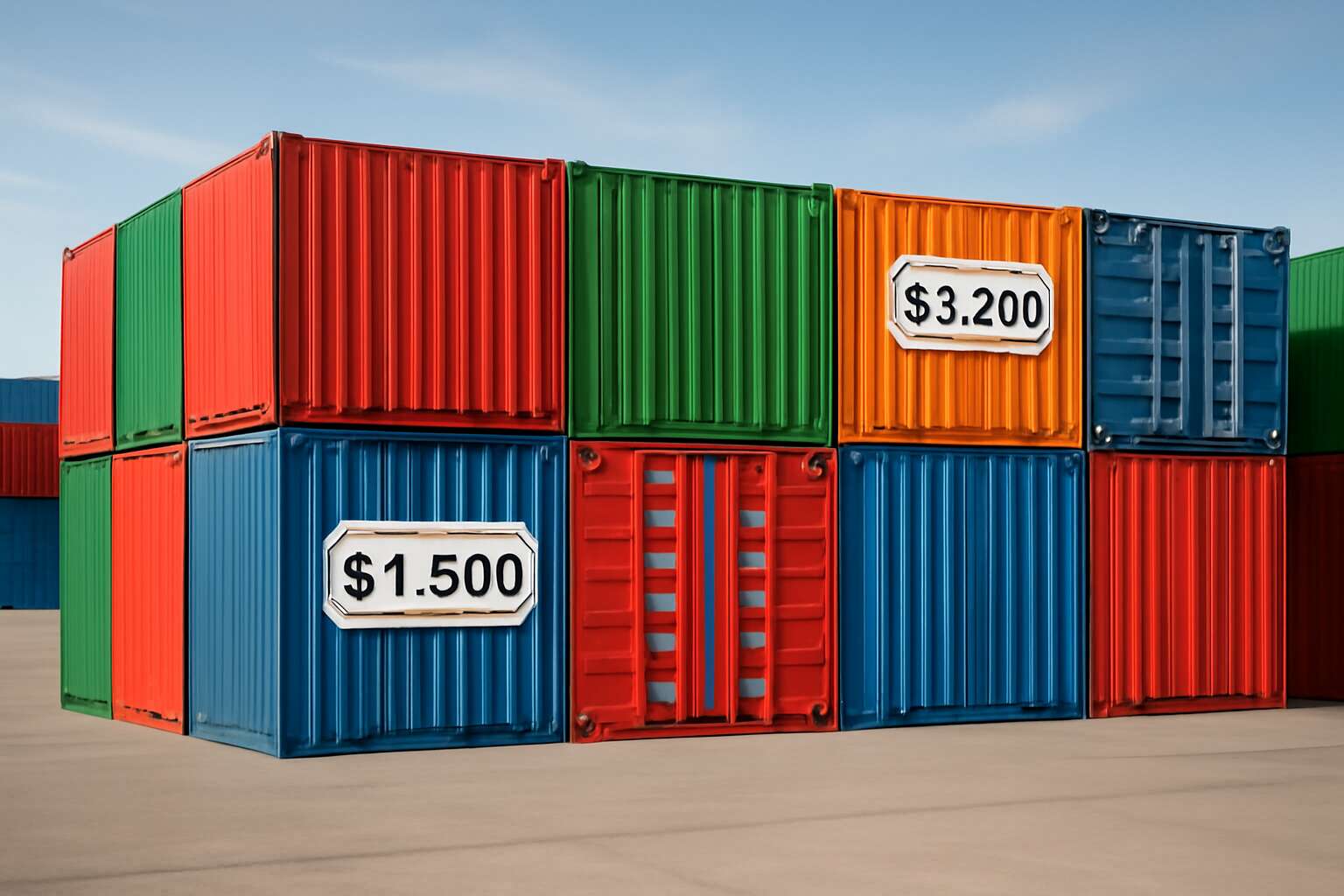
When navigating the world of containers for sale prices, understanding the different types of shipping containers is essential. Standard 20ft and 40ft containers are the most common, each serving distinct purposes and varying significantly in price. The 20ft container is perfect for smaller projects or limited space, typically ranging from £1,500 to £3,000 for a new unit. Conversely, the 40ft container, offering double the capacity, usually costs between £2,500 and £4,500. These prices fluctuate based on factors such as condition, location, and modifications.
Several key elements influence the price of shipping containers, including material quality, age, and whether the container is new or used. Shipping containers with specialised features—such as refrigeration or enhanced security—tend to command higher prices. For those considering containers for sale prices, it’s also worth noting that additional costs may arise from transportation or custom modifications, making it a fascinating journey to find the perfect fit for your needs!
- Material durability
- Size and capacity
- Condition (new or used)
- Custom features and modifications
Specialty Containers – Refrigerated, high cube, insulated, and other specialized containers
Within the labyrinth of containers for sale prices, specialty containers emerge as the shimmering jewels—each crafted for purpose, precision, and performance. These are not mere boxes but marvels of engineering, designed to withstand the capricious whims of nature and the relentless march of time. Refrigerated containers, for instance, are the icy guardians of perishables, their prices reflecting the sophistication of cooling technology, often ranging from £5,000 to £15,000 depending on capacity and features.
High cube containers, towering an extra foot above standard models, offer a cavernous interior that beckons for customised adaptations—ideal for those seeking extra vertical space. Insulated variants, cloaked in thermal protection, command a premium, their prices influenced by the quality of insulation and build. The allure of these specialized containers lies in their bespoke nature, transforming utilitarian storage into versatile, climate-controlled sanctuaries.
- Refrigerated units with advanced cooling systems
- High cube containers for increased volumetric capacity
- Insulated containers designed for temperature-sensitive cargo
Understanding the nuances of these specialty containers for sale prices reveals a world where function meets form, where technology elevates utility into art. Each variant whispers its own story, and the pricing reflects the symphony of materials, features, and bespoke modifications that elevate them beyond ordinary storage solutions.
Material and Build Quality – New vs. used containers and their cost implications
Understanding the landscape of containers for sale prices requires more than a cursory glance at their outward appearance. Material and build quality are the twin pillars that determine a container’s true value, especially when you delve into new versus used options. While a brand-new container boasts pristine integrity and modern features, it often commands a premium—sometimes twice the cost of a well-maintained used counterpart.
Used containers, though more affordable, carry the weight of history. Their age, condition, and structural integrity influence their price point and long-term performance. For those seeking durability, steel is the gold standard, offering strength and resilience. Meanwhile, aluminium variants, lighter and more resistant to corrosion, may come with a slightly higher price but promise longevity in harsh environments.
- New containers typically range from £3,000 to £6,000 for standard sizes, with specialised models like refrigerated units reaching upwards of £15,000.
- Used containers, in contrast, can be found from as low as £1,200, but their longevity hinges on careful inspection and maintenance history.
Ultimately, the choice hinges on your specific needs—whether you prefer the peace of mind that comes with a fresh build or the cost-efficiency of a used container. Either way, the nuanced factors behind containers for sale prices reveal a world where quality and longevity are deeply intertwined, transforming utilitarian storage into a strategic investment.
Size Variations – Impact of container dimensions on sale prices
Size matters profoundly when it comes to containers for sale prices. The dimensions of a container don’t just determine its capacity—they influence its market value in ways that can feel almost mystical. Larger containers, like the iconic 40ft models, command higher prices due to their expansive interior and structural complexity. Conversely, smaller 10ft units are more accessible but may lack the versatility larger containers provide, impacting their resale value.
The impact of container dimensions extends beyond simple aesthetics. For instance, high cube containers, which are taller than standard models, often fetch a premium because they optimise storage space without requiring larger footprints. When considering containers for sale prices, it’s crucial to understand how these size variations can sway your investment’s long-term worth. Sometimes, a seemingly modest change in dimensions can unlock significant cost efficiencies or additional functionality, making size a strategic choice rather than a mere preference.
Factors Influencing Containers for Sale Prices
Container Condition – Used, refurbished, or brand-new and price differences
In the vast marketplace of containers for sale prices, the condition of the vessel often determines its worth more profoundly than size or material. A used container, weathered by countless journeys across turbulent seas, can whisper tales of resilience and history, yet it may come at a fraction of the cost of a pristine, brand-new vessel. Refurbished containers, carefully restored to near-original splendour, strike a delicate balance—offering durability without the hefty price tag of a new build.
The difference in price can be striking, sometimes as much as 50%, depending on the container’s condition. This disparity is often the decisive factor for buyers seeking a cost-effective yet reliable solution. For instance, a brand-new container might command a premium due to its untouched integrity, while a used one provides a budget-friendly alternative, especially when customised or reinforced for specialised use. When exploring containers for sale prices, understanding the nuances of container condition becomes essential—each choice weaving its own story of value and purpose.
Market Demand – How demand fluctuations affect container prices
In the shadowy marketplace of containers for sale prices, market demand wields a spectral influence, haunting the ebb and flow of costs with eerie precision. When industries surge, eager to secure storage or transport solutions, prices ascend like the rising tide, swallowing up available inventory. Conversely, during periods of lull, the market’s ghostly quiet often drives prices down, revealing hidden bargains amidst the spectral silence.
The dance of demand can be unpredictable, driven by global trade tides, economic shifts, and even seasonal fluctuations. For example, a sudden spike in construction projects or international shipping crises can cause prices to spiral unexpectedly. To navigate this shifting landscape, one must observe the market’s whispers:
- Trade volumes
- Seasonal shipping patterns
- Economic indicators
These elements cast long shadows over the realm of containers for sale prices, shaping the availability and cost with a dark, inexorable force. The market’s restless pulse reflects the fickle nature of supply and demand, whispering secrets to those willing to listen.
Location and Shipping Costs – Impact of regional availability and logistics
In the intricate world of containers for sale prices, regional availability and shipping logistics wield a subtle yet potent influence. The geographic location of a container can dramatically shift its cost, especially when considering the proximity to major ports or industrial hubs. For example, containers destined for remote inland areas often carry a premium due to the added logistical complexity and transportation expenses involved.
Shipping costs, often underestimated, serve as a shadowy force that can inflate or deflate container prices unexpectedly. Factors such as fuel prices, carrier availability, and seasonal shipping fluctuations all contribute to this unpredictable dance. When shipping routes are congested or during peak seasons, the expense of transporting containers skyrockets, leaving a ripple effect on container for sale prices.
To better understand these influences, consider the following:
- Regional demand and supply dynamics
- Distance from major shipping hubs
- Current freight rates and seasonal shipping trends
Each element weaves into the complex tapestry of the container market, reminding us that location and logistics are as vital as the container itself in determining its true value. The shifting sands of regional availability and shipping costs craft an ever-changing landscape, where understanding the nuances can mean the difference between a bargain and a costly mistake in the realm of containers for sale prices.
Customization and Modifications – Additional features like doors, windows, or vents
When considering containers for sale prices, customization and modifications can significantly influence the final cost. Tailoring a container to specific needs—such as adding doors, windows, or vents—transforms a basic unit into a bespoke asset. These enhancements often come with a hefty price tag but offer unparalleled functionality and aesthetic appeal.
Customization options cater to diverse requirements, whether for a secure storage unit, office space, or retail outlet. The level of modification directly impacts the container’s price, with more intricate alterations demanding higher investment. For example, installing large roll-up doors or expansive windows not only increases costs but also affects logistics, especially if specialised equipment is needed for installation.
In some cases, a modular approach is adopted, where multiple features are combined to create a highly personalised container. This process often involves ordered, step-by-step modifications—each adding a layer of value. As a result, buyers should weigh the initial investment against the long-term benefits, understanding that certain customisation options can elevate the containers for sale prices considerably. Ultimately, the scope of modifications shapes the container’s market value in unpredictable and fascinating ways.
Where to Find the Best Container Deals
Online Retailers and Marketplaces – Platforms offering competitive pricing
Online retail platforms and marketplaces are treasure troves for finding the best containers for sale prices. These digital hubs often feature competitive pricing, making them ideal for buyers seeking value. Popular marketplaces like Alibaba, eBay, and Amazon offer a broad selection, from used containers to brand-new units. They provide transparent pricing and user reviews, which help gauge the true worth of each container.
In addition, specialised container retailers often run exclusive online deals. They may also offer customised options that influence the overall price. For those willing to do a little legwork, regional online classifieds or auction sites can reveal surprisingly affordable options. The key is to compare prices across multiple platforms, as container for sale prices can vary significantly based on condition, size, and location.
By exploring these online avenues, buyers can secure high-quality containers at the most competitive prices, ensuring their investment is both sound and cost-effective.
Local Distributors and Suppliers – Benefits of purchasing locally
While digital marketplaces continue to dominate the landscape of container procurement, the allure of local distributors and suppliers remains steadfast. There’s something undeniably satisfying about walking into a neighbourhood yard, where the scent of fresh paint and the hum of industry fill the air, and discovering containers for sale prices that don’t require a second mortgage. Local suppliers often have the advantage of immediate availability, cutting down on shipping costs and delays—costs that can inflate container prices elsewhere.
Purchasing from nearby vendors also offers the benefit of personalised service and the opportunity to inspect the container’s condition firsthand. Plus, regional suppliers frequently offer bespoke modifications—be it extra doors, vents, or insulation—at competitive rates. This customised approach often translates into better value for money, especially when budget considerations are paramount. For those willing to explore beyond the digital realm, regional auctions or classified ads can unearth surprisingly affordable options, making local suppliers an invaluable resource for those seeking containers for sale prices that won’t break the bank.
Auctions and Liquidation Sales – Opportunities for discounted containers
In the quest for the most competitive containers for sale prices, exploring auctions and liquidation sales can be a game-changer. These venues often present an opportunity to acquire containers at a fraction of the standard market rate, appealing to those willing to seize fleeting opportunities. It’s not merely about the savings; it’s about uncovering hidden gems amidst the chaos of excess inventory.
At auctions, containers are often sold in bulk or as part of a liquidation event, where companies offload surplus stock rapidly. The thrill of bidding can lead to significant discounts, especially if you’re prepared to act swiftly. Liquidation sales, whether organised by manufacturers or logistics firms, tend to spotlight well-maintained containers that might otherwise be out of reach for budget-conscious buyers.
- Track regional auction calendars and attend in person or online for real-time bidding.
- Stay alert to online marketplaces and specialised liquidation platforms that regularly list discounted containers for sale prices.
- Investigate local warehouse clearances, where containers are often sold at deeply reduced rates to free up space.
While the allure of low-cost containers is tempting, understanding the nuances of their condition and provenance is essential. Yet, for those with patience and an eye for value, these channels can unlock some of the best container deals available—fuelling projects with quality and affordability intertwined in an intricate dance of market dynamics.
How to Compare Container Prices Effectively
Price per Foot or Unit – Standard metrics for comparison
When evaluating containers for sale prices, the goal is to find the optimal balance between cost and value. One of the most effective methods is to compare price per foot or per unit, which serves as a standard metric for assessing overall affordability. This approach allows buyers to see clearly how different containers stack up, especially when size variations come into play.
In practice, calculating the price per foot involves dividing the total cost by the container’s length. For example, a 20ft container priced at £3,000 has a clear advantage over a 40ft unit costing £5,500, as the cost per foot reveals the true value. This comparison often uncovers surprising differences—sometimes a smaller container offers a better deal than a larger one.
To streamline this process, many buyers rely on online marketplaces offering a broad selection of containers for sale prices. An ordered list can be helpful here:
- Identify the container sizes you need.
- Gather pricing information from multiple sources.
- Calculate the price per foot for each option.
- Compare these figures to determine the most economical choice.
Using this method ensures a comprehensive understanding of the market, enabling informed purchasing decisions that maximise value and minimise unnecessary expenditure.
Included Features and Accessories – Understanding what is included in the price
In the labyrinth of containers for sale prices, clarity often feels like chasing a fleeting shadow. Yet, understanding what features and accessories are included in the price can transform the buying experience from a gamble into a calculated art. It’s essential to peer beneath the surface—what’s truly part of the deal, and what might cost extra?
Many sellers bundle basic features, but specialised accessories like reinforced doors, ventilation systems, or customised modifications can dramatically influence the overall cost. When comparing containers, consider whether these features are standard or optional. A container with built-in insulation or additional security features might seem pricier at first glance, but often offers greater value for long-term use.
Engaging with online marketplaces or local distributors often reveals a variety of options, allowing buyers to discern the true worth of each container. By asking detailed questions and scrutinising the included features, you can ensure your investment aligns perfectly with your needs—maximising the potential of each pound spent in the realm of containers for sale prices.
Inspection and Certification – Ensuring quality and safety standards
In the vast marketplace of containers for sale prices, ensuring the quality and safety standards of your chosen container is paramount. A well-inspected container not only guarantees durability but also safeguards your investment. When comparing options, it’s crucial to scrutinise the inspection and certification documentation—these serve as the fingerprints of quality, confirming adherence to industry standards.
Look for containers that come with comprehensive certification, such as ISO or CSC plates, which validate the container’s structural integrity and safety compliance. An unmarked or uncertified container might seem like a bargain but could pose risks and incur hidden costs down the line. To navigate this landscape effectively, consider a methodical approach:
- Request detailed inspection reports from sellers or suppliers.
- Verify the container’s certification status and expiry dates.
- Assess the condition of the container’s structural components—doors, walls, and flooring—against safety standards.
By prioritising inspection and certification, you unlock a clearer view of the true worth of each container for sale prices, ensuring your choice is both sound and secure in the long run. After all, a sturdy, certified container is an investment that withstands the tests of time and demand, transforming the labyrinth of prices into a landscape of confidence and clarity.
Additional Costs – Delivery, customization, and maintenance expenses
When comparing containers for sale prices, it’s easy to get lost in a sea of numbers, assumptions, and smoke-and-mirrors deals. The real trick lies in accounting for additional costs that can swiftly turn a bargain into a financial nightmare. Delivery charges, for example, often hide behind the curtain until the invoice arrives, sometimes doubling the initial price. Customisation and modifications—adding windows, vents, or reinforced doors—are another sneaky layer, potentially inflating the overall investment significantly.
To navigate this labyrinth, consider breaking down the total cost into manageable components. Think of it as a financial scavenger hunt where each hidden fee is a clue. For instance, you might encounter a list like this:
- Delivery and logistics fees
- Customisation or structural modifications
- Ongoing maintenance expenses
- Regional taxes or import duties
Being armed with this knowledge means you can scrutinise each quote with the finesse of a seasoned detective. Ultimately, understanding these extra costs ensures your choice among containers for sale prices is as shrewd as it is strategic, saving you from nasty surprises down the line.
Tips for Securing the Best Container Prices
Negotiation Strategies – How to negotiate for better deals
Securing the best containers for sale prices requires more than just browsing listings; it’s about strategic negotiation. A well-informed buyer can often unlock significant savings by understanding the nuances of container pricing. Remember, many sellers price their containers based on market demand, condition, and regional availability, so leverage this knowledge during negotiations.
One effective strategy is to highlight the value of your purchase. If you’re buying in bulk or for a large project, use that as leverage to negotiate discounts. Additionally, don’t shy away from exploring less obvious avenues, such as auctions or liquidation sales, where prices can be heavily discounted.
When negotiating, always consider the included features and potential additional costs. A container with custom modifications or special equipment might seem attractive but can inflate the overall price. Understanding the price per foot or unit helps compare options accurately. Staying flexible on delivery and inspection terms can also lead to better deals.
Timing Your Purchase – Best times of year or market conditions for purchasing
Timing your purchase of containers for sale prices can make all the difference between paying a premium and securing a bargain. Market conditions fluctuate throughout the year, often influenced by seasonal demand or economic cycles. For instance, late autumn and winter tend to be quieter periods, which can lead to more favourable prices.
Being aware of market demand is crucial; when demand drops, sellers may be more willing to negotiate or offer discounts. Additionally, regional factors play a significant role. Purchasing from areas experiencing a lull in construction or shipping activity can substantially lower costs.
A helpful approach is to monitor industry trends and get familiar with regional market dynamics. At times, auctions or liquidation sales emerge unexpectedly, providing opportunities to acquire containers for sale prices that are well below standard rates. Staying flexible on timing and keeping an eye on market shifts can unlock significant savings in your container procurement journey.
Volume Purchasing – Discount advantages for bulk or repeated orders
When hunting for the best deals on containers for sale prices, volume purchasing can be a game-changer. Bulk orders often unlock discounts that make even the most seasoned negotiator do a double take. Suppliers are typically eager to cut a deal when faced with a sizeable order, recognising that they’re guaranteed a sale rather than risking multiple smaller transactions. This can translate into significant savings—sometimes up to 20-30% off standard rates—especially when you’re prepared to buy in larger quantities.
To maximise these advantages, consider establishing relationships with reliable local distributors and suppliers. They’re often more willing to negotiate for repeat business or larger orders, and buying locally helps cut down on shipping costs—another hidden perk in the quest for containers for sale prices. Additionally, keep an eye on upcoming auctions and liquidation sales; these can present ideal opportunities to acquire containers at prices well below market value.
- Assess your volume needs carefully — buying more than you need might lead to storage headaches, but the discounts can be worth it.
- Confirm the condition and included features—sometimes a used container with a solid history offers the best bang for your buck.
- Engage in straightforward negotiation—don’t be shy about asking for discounts, especially if you’re a repeat buyer or ordering large quantities.
In the world of containers for sale prices, volume purchasing isn’t just a tip—it’s a strategy that could turn a modest investment into a substantial saving spree. Flexibility and a keen eye for market shifts might just be your best allies in this treasure hunt for container bargains!
Long-term Cost Considerations – Maintenance, insurance, and resale value
In the shadowed corridors of container acquisition, long-term costs whisper as loudly as the initial price tag. While the allure of a bargain on containers for sale prices might tempt the unwary, the true hidden costs lurk beneath — maintenance, insurance, and eventual resale value. Neglecting these elements can turn a seemingly sound investment into a financial spectre haunting your ledger.
Consider the durability of the container’s build quality; a well-maintained, sturdy model can serve for decades, preserving its value in the resale market. Regular inspections and timely repairs will preserve its integrity and prevent costly future repairs—saving you from spiralling expenses. Insurance, often overlooked, protects against unforeseen calamities that could wipe out your investment overnight.
Furthermore, those who view containers as an asset rather than a transient purchase often benefit from higher resale values. This is especially true if the container has undergone careful modifications or holds certifiable standards. In the end, a cautious eye on these long-term considerations—beyond the initial containers for sale prices—can transform a simple purchase into a lucrative, enduring asset.
Future Trends in Container Pricing
Growing Demand for Modular and Prefabricated Containers – Impact on prices
The landscape of container pricing is on the cusp of a transformative shift, driven by the soaring demand for modular and prefabricated containers. As urbanisation accelerates and the need for versatile, scalable structures intensifies, the future of containers for sale prices will increasingly reflect innovation and adaptability. Modular containers, praised for their rapid deployment and customisation potential, are beginning to influence traditional price points—often offering more economical options compared to bespoke builds.
Moreover, advancements in design and materials are making prefab containers more durable and energy-efficient, which subsequently impacts their market value. This growing preference for sustainable and smart construction solutions means prices for containers for sale are likely to become more competitive, especially as supply chains streamline and manufacturing processes evolve. A key trend is the rise of container-based solutions for residential and commercial applications, expanding the market and further shaping the cost landscape.
- Increased integration of eco-friendly materials
- Growth in off-site construction methods
- Enhanced customisation options at lower costs
- Broader adoption of containerised architecture for urban development
As these elements converge, expect to see a dynamic shift in container prices—an evolution that promises more affordable, innovative options for buyers seeking containers for sale prices now and in the future. The interplay between demand, technological innovation, and market adaptation will be pivotal in shaping this exciting trajectory.
Sustainability and Eco-friendly Materials – Cost implications
The future of container pricing is set to undergo a remarkable transformation, driven by an unprecedented shift towards sustainability and eco-friendly materials. As global consciousness about environmental impact intensifies, manufacturers are increasingly integrating greener solutions into container production. This evolution not only bolsters the market’s ecological credentials but also influences containers for sale prices, often making them more accessible and cost-effective for buyers.
One of the most compelling trends is the adoption of sustainable materials that enhance durability and reduce long-term maintenance costs. These innovations are gradually becoming standard, leading to a nuanced realignment of pricing structures. For instance, containers constructed from recycled steel or eco-friendly composites tend to command a slightly higher initial investment but deliver significant savings over their lifespan, thanks to their enhanced resilience and energy efficiency.
Moreover, the push for eco-conscious construction practices is fostering growth in off-site manufacturing methods, which streamline production and reduce waste. This shift allows for economies of scale and faster delivery times, subtly impacting containers for sale prices. As a result, buyers can expect a broader spectrum of options that balance affordability with sustainability.
In the realm of pricing, a key factor is the increasing availability of modular and prefabricated containers, often designed with integrated green features. These solutions are not only aesthetically pleasing but also optimise space and energy use, contributing further to cost efficiencies. The convergence of eco-materials, innovative design, and advanced manufacturing techniques suggests that container prices will continue to evolve in a way that favours environmentally responsible choices without compromising on quality.
Technological Innovations – Smart containers and their influence on the market
As the horizon of technological innovation expands, the advent of smart containers is revolutionising the market for containers for sale prices. These intelligent marvels, embedded with sensors and IoT connectivity, offer unprecedented control over storage conditions and real-time monitoring. Their influence is subtly reshaping expectations around cost, blending cutting-edge technology with economic practicality.
Imagine containers equipped with automated climate regulation, security alerts, and energy optimisation — all seamlessly integrated into a unified system. Such features elevate the initial investment but promise long-term savings through reduced operational costs and enhanced durability. This evolution is not merely a futuristic dream but a tangible trend affecting current container pricing models.
- Enhanced efficiency
- Reduced maintenance costs
- Greater environmental sustainability
Market analysts predict that as these smart containers become more mainstream, the overall containers for sale prices will become more competitive. The integration of technology fosters a landscape where buyers can select solutions that perfectly align with their specific needs, whether for commercial or specialised use. The symbiosis of innovation and affordability heralds a new chapter in the story of container procurement, captivating those seeking both modern sophistication and financial prudence.

0 Comments