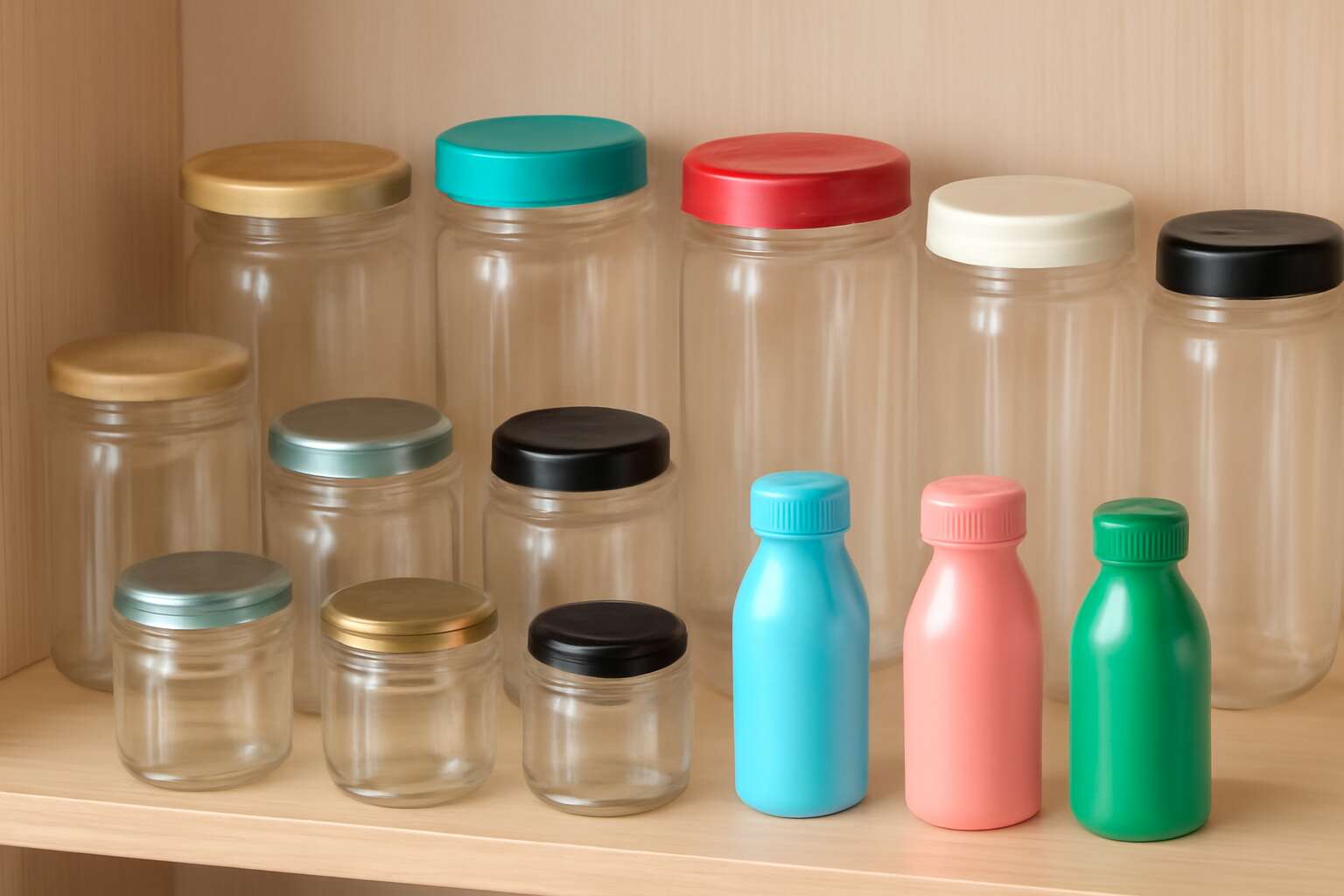
Small Containers Market Outline
Product Variety and Size Selection
‘A tidy shelf is a quiet salesman,’ says a rural SA shopkeeper near the Karoo. In the world of small containers for sale, order turns space into possibility and saves time—every jar, bottle, and tin has a home. The journey from field to shelf rests on trust.
- Materials: glass, BPA-free plastic, metal
- Sizes: a range from a few millilitres to several litres
- Lid types: screw caps, snap closures, airtight seals
Product variety in this market widens with each season, letting farmers, crafters, and urban kitchens choose with confidence. For everyday needs, kitchen pantries, spice drawers, and workshop samples find suitable configurations that pair form with function. small containers for sale become part of daily rhythm.
Size selection reveals the storage story: volume, habit, and the way a label gleams on a sunlit shelf. In rural South Africa, jars that stack neatly and seal well carry more than goods—they carry trust.
Material and Durability Considerations
On any sunlit shelf, the container is either a promise or a problem, says a seasoned rural SA shopkeeper. A telling hook: durability determines trust. In the small containers for sale market, the material you choose speaks louder than any label. Glass carries quiet elegance and longevity; BPA-free plastic keeps weight manageable; metal withstands heat and rough handling—when it wears a food-safe coating. Durability isn’t vanity—it’s practicality in a crowded pantry.
- Glass: clear, non-reactive, timeless, yet prone to chips when dropped.
- BPA-free plastic: lightweight, shatter-resistant, with good chemical resistance but variable heat tolerance.
- Metal: durable and opaque, ideal for pantries when coated for food safety.
From rural co-ops to urban cafés, the durability narrative travels with the product. Small containers for sale aren’t mere vessels; they’re partners on shelves, in transit, and under the Karoo sun. The material choice quietly shapes trust in every purchase.
Buying Guide and Buyer Personas
On a sunlit shelf, the small containers for sale become promises, not plastic. A rural SA shopkeeper says, “The promise wears before the price.” In the Karoo, durable choice determines trust more than labels.
The market outline threads through kitchens, cafés, and co-ops, guiding buyers toward purpose over novelty. The following personas emerge from necessity, and these small containers become a measure of reliability.
- The Frugal Homemaker: values longevity and practicality over flash.
- The Small-Scale Caterer: needs consistent, scalable solutions for service.
- The Eco-Conscious Collector: seeks recycled or recyclable packaging ethos.
- The Rural Co-Op Manager: favors robustness and heat tolerance for rugged shelves.
In this buying guide by essence, buyers weigh capacity, sealing reliability, and stackability against cost and provenance, while regional suppliers and local artisans lend the scene character.
From the Karoo to coastal markets, these humble vessels carry a shadowed charm—practical, almost prophetic—on every shelf.
Where to Buy and Supplier Considerations
“Packaging is promise and proof,” a SA shopkeeper might say, and the small containers for sale become more than vessels on a sunlit shelf. They sketch a market arc from Karoo dust to coastal markets, where a shopper weighs texture, heat tolerance, and provenance in one breath. The outline threads through kitchens, cafés, and co-ops, nudging buyers toward purpose over novelty.
Where to buy: from regional wholesalers to craft-focused makers, the route to purchase runs through township shelves and urban outlets alike. Local artisans lend character and a stubborn reliability to every batch, turning ordinary storage into a sign of neighbourhood craft.
- Provenance and certifications
- Lead times and order quantities
- Heat resilience and stack stability
- Recyclability and waste footprint
Across the Karoo and along the coast, small containers for sale carry a shadowed charm—practical, almost prophetic—on every shelf.



0 Comments