
Understanding 20 Foot Shipping Containers
Overview of Shipping Containers – Introduction to shipping containers and their global importance
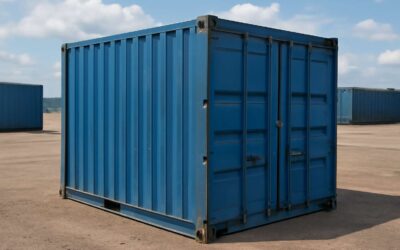
Shipping containers have become the silent giants of global commerce, their dimensions shaping the movement of goods across continents. Among these, the 20 foot shipping containers stand out as the quintessential standard, embodying efficiency and versatility. Their compact yet spacious design makes them an ideal choice for a wide range of industries, from manufacturing to logistics. Understanding the shipping containers dimensions 20 foot is crucial for optimizing storage, transportation, and even architectural applications.
These containers are designed with precision, allowing seamless stacking and handling while maximizing cargo space. The typical internal measurements offer enough room to accommodate bulky goods without sacrificing ease of access. For those navigating the complexities of international shipping, knowing the specifics of shipping containers dimensions 20 foot can mean the difference between smooth transit and logistical chaos. In essence, they are the backbone of modern global trade, quietly supporting the intricate web of supply chains that keep our world moving.
Types of 20 Foot Containers – Standard dry containers, high cube, and refrigerated options
Within the vast tapestry of maritime logistics, the 20 foot shipping containers stand as an elegant testament to practicality and ingenuity. Their versatile design lends itself to a range of specialized variations, each crafted to serve distinct needs in the global supply chain. The most common is the standard dry container, a stalwart of cargo transport, resilient and straightforward, perfect for a myriad of goods.
Then, there’s the high cube variant—an elevated marvel that offers an extra foot of vertical space, transforming the humble container into a towering haven for bulky or voluminous freight. For perishables and temperature-sensitive items, refrigerated options, or “reefer” containers, are indispensable—equipped with sophisticated cooling systems that preserve freshness amidst long voyages.
Understanding the different types of shipping containers dimensions 20 foot is essential, especially when considering the specific demands of your cargo. Here are the main categories:
- Standard dry containers
- High cube containers
- Refrigerated containers (reefers)
Common Uses for 20 Foot Containers – Import/export, storage, building projects, and more
Shipping containers dimensions 20 foot have become an indispensable element of global trade, but their versatility extends far beyond mere cargo transport. These compact yet robust units are often the backbone of import and export operations, offering an efficient solution for moving goods across continents. In South Africa’s bustling ports, they facilitate everything from essential commodities to luxury imports, seamlessly integrating into the supply chain.
Furthermore, the unique attributes of shipping containers dimensions 20 foot make them popular for storage solutions and innovative building projects. Their sturdy structure and standard size enable quick deployment as mobile offices, pop-up shops, or even emergency shelters. For those seeking flexibility, these containers can be repurposed into workshops or retail spaces—blurring the line between transportation and architecture.
In fact, their adaptability is so profound that many businesses leverage shipping containers dimensions 20 foot for creative logistics solutions. Whether used for temporary storage or long-term infrastructure, understanding these dimensions unlocks a world of possibilities—each container carrying more than just cargo, but stories of ingenuity and resourcefulness.
Standard Dimensions of 20 Foot Shipping Containers
Exterior Dimensions
In the shadowy realm of maritime commerce, the dimensions of a 20-foot shipping container serve as a silent testament to human engineering’s precise brutality. These steel bastions, forged to withstand the tempestuous seas, measure exactly 6.06 meters in length, with a width of 2.44 meters, and an interior height that often reaches 2.39 meters in standard models. Such exactitude is crucial, for within these steel walls lies a universe of potential, from fragile goods to the densest of cargo.
The exterior dimensions of 20 foot shipping containers are designed to be both imposing and utilitarian. Their length and breadth conform to a standard that allows for seamless stacking and transportation across the globe. To better understand, consider this typical breakdown: the overall length is 6.06 meters, the width is 2.44 meters, and the height varies depending on the type, be it standard or high cube. These measurements are not mere numbers—they are the backbone of an intricate global logistics network.
Interior Dimensions
When it comes to the inner sanctum of a 20-foot shipping container, dimensions are everything — a veritable playground for logistics maestros and cargo enthusiasts alike. The interior dimensions of a 20-foot shipping container are carefully calibrated to maximize efficiency without sacrificing versatility. Inside, you’ll find a length of approximately 5.9 meters, a width of 2.35 meters, and an interior height that typically measures around 2.39 meters in standard models. These measurements create a surprisingly spacious environment, capable of accommodating a variety of cargo, from delicate electronics to rugged machinery.
Understanding the dimensions of a 20-foot shipping container’s interior is crucial for planning your load. For instance, when stacking goods or designing custom storage solutions, precise interior measurements help avoid unwelcome surprises. Additionally, the interior width allows for easy placement of pallets and bulk items, making the container an adaptable workhorse of global trade. Whether you’re a logistics expert or an entrepreneur looking to optimize space, knowing the shipping containers dimensions 20 foot is key to unlocking their full potential.
Weight Capacities and Structural Details
Tare Weight – Empty container weight
Understanding the weight capacities and structural details of a 20-foot shipping container is essential for maximizing its utility and ensuring safety during transport. These containers are engineered with durability in mind, boasting a tare weight—meaning the empty container’s weight—that typically ranges between 2,200 and 2,400 kilograms. This tare weight is crucial for calculating the maximum payload and ensuring compliance with freight regulations.
Beyond their tare weight, the gross weight capacity of a 20-foot shipping container usually reaches around 24,000 kilograms, allowing for substantial cargo loads without compromising structural integrity. The container’s robust steel frame is designed to withstand harsh handling and environmental conditions, making it a reliable choice for diverse applications. When loading, it’s important to consider the structural limits, especially if the container will be used for heavy machinery or dense materials.
For clarity, here are some key structural details to keep in mind:
- Maximum gross weight: approximately 24,000 kg
- Tare weight: around 2,200 – 2,400 kg
- Maximum payload capacity: roughly 21,600 kg
- Built with high-strength steel for durability
By understanding these specifications, businesses across South Africa can better plan their logistics, ensuring each shipment leverages the full potential of the shipping containers dimensions 20 foot. The harmonious balance of weight capacities and structural resilience elevates these containers from mere cargo carriers to vital tools in global trade and local enterprise alike.
Maximum Gross Weight – Total allowable weight including cargo
In the realm of global logistics, the precision of shipping containers dimensions 20 foot is paramount. At the core of their design lies a robust maximum gross weight—an essential measure that ensures safety and efficiency when transporting goods across vast distances. This weight encompasses the cargo, the container’s tare weight, and any additional items, all harmonized within strict limits to prevent structural compromise.
For a standard 20-foot shipping container, the maximum gross weight typically hovers around 24,000 kilograms. This figure guarantees ample capacity for diverse cargo while maintaining the container’s integrity. The tare weight, usually between 2,200 and 2,400 kilograms, plays a crucial role in calculating the maximum payload—roughly 21,600 kilograms—allowing businesses to optimize every shipment.
Understanding these structural details reveals the marvel of engineering behind shipping containers dimensions 20 foot. Built from high-strength steel, they are crafted to withstand the rigors of handling and environmental challenges, transforming them from mere storage units into stalwart guardians of international trade.
Payload Capacity – Maximum load that can be safely carried
Weight capacities are the unseen backbone of every shipping container, silently ensuring safety amidst the chaos of global trade. For shipping containers dimensions 20 foot, the payload capacity is a crucial figure that determines how much freight can be transported without risking structural failure. Typically, these containers can carry a maximum load of around 21,600 kilograms, once the tare weight is deducted from the gross weight limit. This balance allows for optimal utilization of space while maintaining safety margins.
Structurally, shipping containers dimensions 20 foot are engineered from high-strength steel, making them remarkably resilient against the rigors of handling and environmental influences. Their robust design isn’t just about durability; it’s a marvel of precision engineering. The maximum gross weight, usually capped at 24,000 kilograms, encompasses the cargo, the container’s tare weight—generally between 2,200 and 2,400 kilograms—and any additional accessories. This tight regulation protects against overloading, which could otherwise compromise the container’s integrity.
- Maximum gross weight: the total allowable weight including cargo, typically 24,000 kilograms.
- Tare weight: the empty weight of the container, averaging around 2,200 to 2,400 kilograms.
- Payload capacity: the safe maximum load that can be loaded, hovering near 21,600 kilograms.
Understanding these structural details of shipping containers dimensions 20 foot is essential for maximizing efficiency in South Africa’s vibrant logistics landscape. Their design marries strength with precision, transforming them into indispensable tools for international trade and local enterprise alike.
Material and Construction – Materials used and structural integrity features
When it comes to shipping containers dimensions 20 foot, understanding the materials used and their structural integrity is essential for safe and efficient logistics. These containers are primarily constructed from high-strength steel, which provides the durability needed to withstand the harsh conditions of international shipping. The steel’s resilience ensures they can endure handling, stacking, and environmental influences without compromising their integrity.
Structural features such as corrugated walls and reinforced corners are deliberate design choices that enhance stability and load-bearing capacity. These elements are critical, especially considering the maximum gross weight of around 24,000 kilograms, which includes the tare weight and cargo. Additionally, the robust locking mechanisms and corner castings facilitate secure stacking and handling, making them an indispensable part of global trade infrastructure.
To summarize, the materials and construction of shipping containers dimensions 20 foot are a testament to precision engineering. They marry strength with practicality, ensuring safety while maximizing cargo capacity—an essential balance for South Africa’s dynamic logistics sector.
Variations in 20 Foot Container Dimensions
High Cube Containers – Differences in height and capacity
Among the many variations in shipping containers dimensions 20 foot, the high cube containers stand out as a testament to ingenuity and adaptability. These elevated marvels offer an extra foot of interior height, transforming the container from a standard cargo space into a veritable warehouse in the sky. The difference in height, typically reaching 9.5 feet compared to the standard 8.6 feet, significantly enhances payload capacity and usability for diverse industries.
High cube containers are especially popular for transporting bulky goods or when additional headroom is needed for stacking or shelving. Their increased height also affects exterior dimensions, making them slightly taller but maintaining the same length and width. This subtle variation expands options for freight handling and storage solutions, blending practicality with a touch of elegance. When considering shipping containers dimensions 20 foot, it’s crucial to recognize these nuanced differences that unlock a world of potential for businesses across the globe.
Refrigerated Containers – Dimensions and features specific to insulated units
Refrigerated containers, also known as thermo containers, have revolutionized the logistics landscape by enabling the safe transport of perishable goods across vast distances. When examining the shipping containers dimensions 20 foot, it’s essential to recognize the specialized features that make refrigerated units indispensable. These containers are designed with insulated walls and advanced cooling systems, ensuring temperature control throughout transit.
Their exterior dimensions typically mirror those of standard 20 foot containers—approximately 20 feet in length, 8 feet in width, and about 8.6 feet in height—though high-cube variants offer an extra foot of interior clearance. Inside, the dimensions are optimized to accommodate diverse cargo types, with interior heights reaching up to 8.2 feet, providing ample space for temperature-sensitive goods. The tare weight of refrigerated units tends to be higher due to insulation and refrigeration equipment but maintains a maximum gross weight of around 24,000 kilograms, allowing for substantial payloads.
Understanding these specific dimensions and features of refrigerated containers is vital for logistics professionals aiming to maximize efficiency. Their structural integrity, built from durable materials like corten steel, ensures resilience against the rigors of international shipping. Such meticulous engineering underscores the importance of precise container dimensions in safeguarding cargo and streamlining global trade.
Specialized Containers – Open-top, side-opening, and other variants
When it comes to shipping containers dimensions 20 foot, versatility is the name of the game. But not all containers are created equal—especially when you dive into the world of specialized variants. Open-top containers, for example, are perfect for oversized cargo that simply won’t squeeze through standard doors. Their roof can be removed, making loading and unloading a breeze—unless you fancy a game of “guess how many ropes it takes to keep the tarp in place.”
Side-opening containers are another marvel, offering unparalleled access for bulky or awkward loads. These variants tend to have the same exterior dimensions as standard 20 foot containers but feature large side doors that swing open like the gates of a fortress. This makes them ideal for transportation of heavy machinery or equipment that needs to be loaded from the side rather than the top or end.
For those seeking a blend of flexibility and durability, some models feature reinforced floors or extra-thick walls—built to handle the rigors of South African logistics while maintaining the essential shipping containers dimensions 20 foot. The beauty of these specialized containers lies in their ability to adapt without sacrificing the structural integrity that makes 20 foot containers so popular in the first place. Whether you’re stacking, shipping oversized cargo, or need easy side access, understanding these variations ensures your cargo arrives in one piece—and possibly even in a good mood.
Factors Influencing Dimensions and Selection
Manufacturing Tolerances – Variations due to production differences
When exploring the nuanced realm of shipping containers dimensions 20 foot, it becomes evident that manufacturing tolerances play a pivotal role in ensuring consistency across global logistics networks. Variations due to production differences are inevitable, subtly shifting the precise measurements that define these containers. Such discrepancies can influence everything from stacking efficiency to cargo safety, underscoring the importance of understanding these tolerances. In essence, while standard specifications set a baseline, the reality of manufacturing imperfections introduces a layer of complexity that savvy operators must navigate.
Factors influencing the dimensions of these containers include material properties, manufacturing processes, and quality control standards. Small deviations—often within a few millimeters—can occur, yet they accumulate, impacting the overall fit and function. Recognizing these variations helps in selecting shipping containers dimensions 20 foot that align with specific logistical needs. Moreover, understanding manufacturing tolerances illuminates the importance of precision in structural integrity, ensuring that the containers perform reliably under diverse operational conditions.
Customization Options – Adjustments for specific shipping needs
When it comes to shipping containers dimensions 20 foot, the devil truly is in the details. Factors influencing these dimensions include material properties, manufacturing methods, and quality control standards—each playing a subtle yet significant role in the final product. Variations of just a few millimeters might seem negligible, but in the world of global logistics, they can make the difference between a seamless fit and a logistical headache. These tiny discrepancies often stem from the manufacturing process, where even the most precise factories face slight deviations due to raw material inconsistencies or tooling wear and tear.
For operators seeking a tailored fit for specific shipping needs, understanding the scope of these variations is gold. Customization options are plentiful—ranging from high cube containers to refrigerated units—allowing businesses to adapt their 20-foot containers to unique operational demands. Adjustments can be made in areas such as door configurations, insulation, or structural reinforcements. Such flexibility ensures that shipping containers dimensions 20 foot aren’t just standardized boxes, but versatile assets in a complex, demanding supply chain.
International Standards – ISO specifications and compliance
When considering shipping containers dimensions 20 foot, it’s essential to recognize that even the tiniest manufacturing deviations can significantly impact logistics. Variations in dimensions often arise from material properties or manufacturing tolerances, which, although minute—just a few millimeters—can influence how containers fit within shipping yards or cargo holds. These subtle differences are a testament to the precision required in container production, ensuring durability and safety while accommodating diverse operational needs.
International standards, such as ISO specifications, play a crucial role in maintaining consistency across the global supply chain. By adhering to these standards, manufacturers ensure that shipping containers dimensions 20 foot meet strict criteria for size, weight, and structural integrity. This compliance guarantees that containers are compatible with port handling equipment, shipping vessels, and logistics protocols worldwide. In an industry where uniformity is paramount, ISO standards help streamline cross-border shipping and reduce delays.
Practical Tips for Using 20 Foot Shipping Containers
Maximizing Storage Efficiency – Best practices for loading and organizing cargo
Optimizing the use of 20 foot shipping containers hinges on a keen understanding of their dimensions and how to leverage them for maximum efficiency. These containers are a staple in global trade, offering a versatile solution for diverse cargo needs. When loading a 20 foot shipping container, every inch counts—careful planning ensures that space is not wasted and that the cargo is securely stowed. Proper organization not only enhances safety but also expedites unloading and reloading processes, saving time and reducing costs.
To make the most of your 20 foot shipping containers dimensions, consider the following best practices: start by categorizing cargo by size and weight, and then stack items systematically. Using pallets can streamline the process, enabling easier handling and preventing damage. Additionally, utilizing vertical space efficiently—by stacking items or installing shelving—can dramatically boost storage capacity. Remember, balanced weight distribution is essential to maintain structural integrity during transit. For those seeking optimal storage solutions, understanding the specific shipping containers dimensions 20 foot provides the foundation for smarter, safer cargo management.
Transport Considerations – Handling, lifting, and transportation tips
In the shadowed realm of maritime logistics, the dimensions of a 20 foot shipping container serve as both a boundary and a gateway—dictating the limits of what can be transported across oceans and borders. These steel bastions, with their precise measurements, are the backbone of global trade, yet their true potential is unlocked only when their dimensions are understood down to the last millimeter. When navigating the labyrinth of cargo handling, every inch of the shipping containers dimensions 20 foot becomes a critical factor in maximizing efficiency and safety.
Handling and transportation demands a meticulous approach. Heavy lifting equipment, such as cranes and forklifts, must be calibrated to the container’s size and weight, ensuring that each movement is both secure and smooth. The structural integrity of these containers—crafted from robust materials—offers resilience against the tumultuous voyage, but only if they are loaded within their specified payload capacity and tare weight. Remember, balanced weight distribution is paramount; an uneven load can turn a routine shipment into a perilous journey. To streamline this process, consider employing a systematic approach:
- Start with accurate measurements of the cargo relative to the shipping containers dimensions 20 foot.
- Use pallets strategically to stabilize and organize items, preventing shifting during transit.
- Stack items vertically with care, respecting height limitations and ensuring stability.
By respecting these parameters, shippers can reduce the risk of damage, facilitate swift unloading, and maintain compliance with international standards. In the dark corridors of logistics, understanding the precise shipping containers dimensions 20 foot illuminates the path toward safer, more efficient cargo transport—an essential knowledge for anyone daring to master the art of maritime freight.
Regulatory Compliance – Adhering to safety and shipping regulations
In the intricate web of maritime logistics, regulatory compliance is the invisible thread that keeps the global supply chain intact. When working with shipping containers dimensions 20 foot, understanding and adhering to safety and shipping regulations is not just a legal obligation—it’s a safeguard against costly delays and potential hazards. In South Africa’s bustling ports, where cargo volume surges and standards evolve rapidly, compliance is a vital component of operational excellence.
To navigate this landscape effectively, it’s essential to stay updated on international standards such as ISO specifications, which dictate everything from maximum gross weight to structural integrity. This ensures that each 20 foot container meets the rigorous safety protocols required for safe handling and transport. Additionally, be aware of local regulations that may impose specific requirements for lifting operations or stacking procedures, especially in busy port environments.
For seamless integration into your logistics chain, consider implementing a checklist to verify compliance across all stages. This might include confirming the tare weight aligns with manufacturer specifications or ensuring cargo weight distribution respects payload capacity limits. When these regulations are meticulously followed, the journey of a shipping container from port to destination transforms from a perilous voyage into a precision-driven operation—one that respects the fine margins dictated by the shipping containers dimensions 20 foot.


0 Comments