
Understanding 20 Foot Shipping Containers
Overview of Shipping Containers – Define shipping containers and their role in global logistics.
In the vast symphony of global logistics, shipping containers 20 foot stand as sturdy, silent sentinels—carriers of dreams and commodities alike. These steel marvels, with their uniform dimensions and robust construction, have revolutionized how goods traverse oceans and continents, turning chaos into order with a simple, logical design. Their role is pivotal, acting as the backbone of international trade, seamlessly connecting manufacturers to markets across South Africa and beyond.
Within the realm of shipping containers, the 20 foot variant is particularly revered for its versatility and efficiency. Perfectly balanced in size and capacity, it is an ideal choice for a wide spectrum of cargo. To better understand their significance, consider these key features:
- Standardized dimensions for easy stacking and handling
- Durable steel construction designed to withstand harsh conditions
- Optimized for intermodal transportation—rail, sea, and road
By comprehending the essential role of shipping containers 20 foot, one appreciates how these unassuming boxes underpin the interconnected web of global commerce, making the world smaller, one shipment at a time.
What Makes a 20 Foot Container Distinct? – Highlight key features and specifications specific to 20 foot containers.
In the intricate dance of international trade, the 20 foot shipping containers play a starring role, embodying efficiency and resilience. These containers are meticulously designed to optimize space without sacrificing durability, making them the ideal choice for a myriad of cargo types. Their compact size allows for seamless handling and stacking, which is crucial in busy ports across South Africa and beyond.
What sets shipping containers 20 foot apart is their standardized specifications, ensuring compatibility across different modes of transportation—be it rail, sea, or road. Their steel construction is engineered to withstand harsh weather conditions and rough handling, safeguarding precious goods from origin to destination. For companies seeking versatility, these containers offer a perfect balance of capacity and manageability, making them the backbone of global logistics.
- Standard dimensions of approximately 20 feet in length
- Internal capacity averaging 33 cubic meters
- Designed with locking mechanisms for secure cargo containment
This combination of features not only enhances operational efficiency but also underscores why shipping containers 20 foot remain a trusted asset in international commerce, connecting continents and economies with unwavering reliability.
Common Uses and Applications – Explore industries and scenarios where 20 foot containers are most utilized.
In the bustling corridors of commerce, where cargo journeys span oceans and continents, the 20 foot shipping containers emerge as silent yet stalwart ambassadors of trade. Their versatility breathes life into industries that rely on swift, secure, and reliable transportation. From the sprawling warehouses of South Africa to the bustling ports that connect Africa with distant shores, these containers find purpose in a myriad of scenarios.
In industries such as manufacturing, retail, and agriculture, shipping containers 20 foot serve as mobile storerooms, facilitating the seamless transfer of goods. They are also indispensable in construction projects, where their robust steel structure transforms into on-site storage units or even makeshift offices. The adaptability of these containers makes them the heartbeat of global logistics, enabling businesses to move with agility and confidence across the ever-changing landscape of international trade.
Types and Variations of 20 Foot Containers
Standard 20 Foot Shipping Containers – Description and dimensions of standard models.
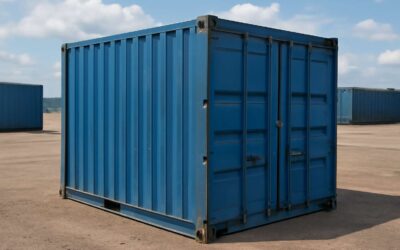
In the shadowed corridors of global trade, where steel giants traverse oceans like silent sentinels, the 20 foot shipping containers stand as the unwavering backbone of logistics. Their robust structure, crafted to endure the fury of storms and the silent weight of commerce, embodies the perfect equilibrium of form and function. These standard 20 foot shipping containers are precisely 6.06 meters long, with a width of 2.44 meters and a height typically around 2.59 meters, making them the quintessential choice for versatile cargo transport.
Within this realm of steel, variations emerge—each designed to meet the unique demands of different industries. The most common models include standard dry containers, which shield goods from the elements, and insulated or refrigerated containers for sensitive cargo. Some 20 foot shipping containers are modified for specific applications, such as open-top or flat-rack designs, providing adaptability in the face of complex logistical challenges.
Specialized Variants – Discuss refrigerated, high cube, and open-top options.
Among the myriad options in the world of shipping containers 20 foot, specialized variants stand out for their adaptability and precision engineering. These modifications are crucial for industries that demand more than just basic cargo protection. For example, refrigerated containers—also known as reefers—are vital for transporting temperature-sensitive goods such as pharmaceuticals, fresh produce, and perishable foods. Their insulated walls and integrated cooling systems ensure cargo remains in optimal condition during long voyages across South Africa’s diverse climate zones.
High cube containers take the standard 20 foot shipping containers and elevate their capacity to accommodate taller or bulkier items. With an extra 0.3 meters in height, they provide more interior volume without sacrificing the ease of handling and stacking. These are especially popular in industries like furniture manufacturing or electronics, where maximizing space is paramount.
Open-top designs, another critical variation, feature a removable roof that enables heavy or oversized cargo to be loaded from the top. This flexibility makes them indispensable for transporting construction machinery, steel coils, or other bulky items that can’t be easily loaded through standard doors. Whether for specialized logistics or demanding industry needs, these variants of shipping containers 20 foot prove their worth in the complex web of global trade.
Differences Between New and Used Containers – Advantages and considerations for each.
When it comes to shipping containers 20 foot, not all are created equal. The choice between new and used containers can significantly impact your budget, timeline, and even your peace of mind. New containers are fresh off the manufacturing line—pristine, shiny, and ready to impress. They typically come with a higher price tag but offer superior durability and a longer lifespan, making them perfect for critical cargo that demands reliability. Conversely, used containers are the seasoned veterans of the shipping world. They’re more budget-friendly and readily available, but may show signs of wear and tear. However, a well-selected used container can still serve reliably, especially for less sensitive cargo or temporary setups.
Here’s a quick rundown of the advantages and considerations for each:
- **New shipping containers 20 foot**: Higher initial investment, but minimal maintenance and maximum lifespan. Ideal for businesses seeking a professional image or safeguarding delicate goods.
- **Used shipping containers 20 foot**: Cost-effective and environmentally friendly—recycling at its finest! Just ensure a thorough inspection to avoid surprises down the line.
Ultimately, the decision hinges on your specific needs, cargo type, and budget constraints. Whether you opt for the shiny new model or the resilient used version, understanding these differences helps ensure your cargo arrives safe, sound, and ready for its next adventure across South Africa’s bustling ports and varied terrains.
Materials and Construction of 20 Foot Containers
Typical Materials Used – Steel, aluminum, and other construction materials.
When it comes to the construction of shipping containers 20 foot, the choice of materials is crucial for durability, security, and longevity. Steel is the most prevalent material, prized for its incredible strength and ability to withstand harsh maritime conditions. Its robust nature makes it ideal for protecting valuable cargo during long-haul journeys across oceans and continents.
Aluminum, on the other hand, offers a lighter alternative that still boasts impressive corrosion resistance. This makes it especially popular for specialized applications where weight savings are significant, such as in air freight or certain regional logistics. Other construction materials, such as plywood or composite panels, might be used in the interior or for specific modifications, but the core structure remains predominantly steel or aluminum.
For those seeking tailored solutions, there are various types of 20 foot shipping containers 20 foot, including high cube models and open-top variants. These specialized containers often incorporate additional materials or structural reinforcements to meet unique industry demands. The combination of material strength and smart design ensures these containers serve diverse logistical needs while maintaining resilience against the elements.
Structural Integrity and Durability – How materials impact longevity and strength.
The longevity and resilience of shipping containers 20 foot hinge fundamentally on the materials chosen for their construction. Steel, the stalwart of container design, offers unmatched strength and security, ensuring that cargo remains protected even amidst the tumultuous forces of the sea. Its durability is a testament to its ability to withstand corrosion, impacts, and the relentless march of time.
Meanwhile, aluminum provides an elegant alternative—lightweight yet remarkably resistant to rust. This material is often favored for specialized applications, such as air freight or regions where weight savings translate into cost efficiencies. The structural integrity of shipping containers 20 foot can be further enhanced through the inclusion of composite panels or plywood in interior modifications, but the core resilience still rests on the primary construction materials.
Materials impact not just the immediate strength but also the long-term durability of shipping containers 20 foot. A well-constructed container, built with high-quality steel or aluminum, can serve for decades, resisting the wear and tear of international logistics. Such robustness ensures that these containers remain a vital part of global trade, capable of enduring the harshest elements and the most demanding logistical challenges.
Innovations in Container Design – Recent advancements for improved performance.
Recent innovations in the design of shipping containers 20 foot are revolutionizing the way we think about cargo transport. Cutting-edge materials and construction techniques now enable these containers to perform better, last longer, and adapt to diverse logistical challenges. One such breakthrough is the use of advanced composite materials that enhance strength without adding excessive weight, making shipping containers 20 foot more efficient for international trade.
Furthermore, manufacturers are increasingly incorporating modular design elements, allowing for customization and easier maintenance. Modern shipping containers 20 foot often feature reinforced corners, which facilitate stacking and handling, while new sealing technologies improve weather resistance. These innovations ensure that whether used in harsh coastal environments or rugged inland routes, the containers maintain their structural integrity and safeguard valuable cargo.
Among the notable advancements are corrosion-resistant coatings and smart monitoring systems integrated into the container walls. These features enable real-time tracking of internal conditions and early detection of potential issues. As a result, shipping containers 20 foot are not just passive storage units but become part of a resilient, intelligent logistics network that keeps pace with the demands of global commerce.
Benefits of Choosing a 20 Foot Shipping Container
Cost-Effectiveness – Affordability compared to larger containers.
In the vast ocean of logistics, choosing the right vessel can make all the difference, and a 20 foot shipping container often emerges as the beacon of cost-effectiveness. Its compact stature belies an impressive capacity, offering an affordable solution without compromising on utility. For businesses seeking to balance budget and efficiency, these containers are a testament to smart investment.
Compared to larger counterparts, shipping containers 20 foot deliver remarkable affordability, making them accessible for small to medium enterprises, startups, and even individual entrepreneurs. Their lower initial cost, combined with reduced transportation expenses, ensures that your cargo journey remains both economical and efficient.
- Lower purchase price
- Reduced transportation costs
- Ease of handling and deployment
Ultimately, the strategic selection of a 20 foot shipping container can transform logistical challenges into streamlined opportunities, showcasing how size and savings can go hand in hand on the global stage. For those in South Africa seeking reliable, budget-conscious shipping solutions, these containers stand as a testament to ingenuity and fiscal prudence.
Ease of Transportation and Handling – Compatibility with standard shipping and storage facilities.
Transporting goods across vast distances requires containers that are not only robust but also easy to manage. Shipping containers 20 foot excel in this regard, offering unmatched compatibility with standard shipping and storage facilities worldwide. Their size seamlessly fits into the existing logistics infrastructure, making loading and unloading a breeze for operators and workers alike.
Handling a 20 foot container is straightforward, thanks to their manageable dimensions and weight. This ease of transportation means fewer logistical hurdles and reduced labor costs, ultimately saving your business both time and money. Whether stacking on ships, forklifting at the dock, or maneuvering into tight storage spaces, these containers adapt effortlessly to various environments.
For businesses in South Africa seeking flexible shipping solutions, the versatility of shipping containers 20 foot is a game-changer. Their compatibility with standard equipment and facilities ensures a smooth integration into your supply chain, transforming complex logistics into streamlined operations. The natural fit and ease of handling make them a preferred choice for many logistics professionals.
Versatility for Different Projects – From storage solutions to customized modifications.
Flexibility isn’t just a buzzword—it’s the backbone of any successful logistics strategy. When it comes to shipping containers 20 foot, versatility is their secret weapon. These compact giants can be transformed from simple storage units into fully customized solutions that cater to a variety of projects. Whether you’re looking to create a mobile office, a secure storage unit, or even a pop-up retail space, a 20-foot container can be tailored to meet your needs with surprising ease.
One of the standout benefits of choosing shipping containers 20 foot is their adaptability across different industries and applications. Their manageable size allows for straightforward modifications—adding windows, doors, insulation, or shelving—making them perfect for a multitude of projects. For instance, businesses can convert a standard container into a refrigerated unit or a high cube variant for extra vertical storage space, all while maintaining compatibility with existing infrastructure.
Furthermore, the cost-effectiveness of shipping containers 20 foot makes them an attractive investment. They are not only affordable compared to larger containers but also offer a quick turnaround for deployment. This means faster project initiation and reduced downtime. Plus, their versatility extends beyond traditional logistics—think temporary classrooms, event spaces, or even emergency shelters. The possibilities are virtually endless when you have a reliable, adaptable shipping container at your disposal.
Buying and Renting 20 Foot Shipping Containers
Factors to Consider When Purchasing – Condition, price, delivery options.
When contemplating the purchase or rental of shipping containers 20 foot, the decision becomes a delicate dance of discerning value and purpose. The condition of the container is paramount—whether you seek a pristine, brand-new model or a well-seasoned used container that bears the marks of many voyages. The price must align with your budget, but beware—cheaper options might sacrifice durability, while premium containers often promise longevity and peace of mind.
Delivery options are equally critical, especially when considering the rugged terrains of South Africa. Some providers offer on-site delivery, easing logistics and reducing handling risks. To navigate these choices with confidence, consider factors like structural integrity, material quality, and the specific needs of your project. Whether you’re after a sturdy storage solution or a versatile mobile unit, understanding these key elements ensures your investment in shipping containers 20 foot is both sound and strategic.
Renting vs Buying – Pros and cons aligned with project needs.
Deciding whether to buy or rent shipping containers 20 foot hinges on your project’s unique needs and financial considerations. Buying offers long-term ownership, making sense for ongoing storage or frequent use. It’s an investment that can pay dividends over time, especially if you plan to adapt the container for specialized purposes. Renting, on the other hand, provides flexibility—ideal for short-term projects or seasonal demands, without the burden of maintenance or storage costs.
Each option has its merits. Purchasing a shipping container 20 foot ensures consistent availability and the chance to customize it to your specifications. Renting, however, allows you to access high-quality containers without upfront capital, often with included delivery and pick-up. It’s a practical choice for those who want to minimize risks and adapt quickly, especially in rugged terrains or remote areas across South Africa.
- Evaluate your project duration and frequency of use.
- Compare the total cost of ownership versus rental expenses.
- Consider the condition and potential customization options of the container.
Ultimately, whether you opt to buy or rent shipping containers 20 foot, understanding these nuances ensures your decision aligns perfectly with your operational needs and budget—making your investment both strategic and sound.
Where to Buy or Rent – Trusted vendors and marketplaces.
When it comes to sourcing shipping containers 20 foot, the choices extend beyond mere acquisition. Whether you’re seeking to purchase or rent, trusted vendors and marketplaces are the gateways to quality and reliability. South Africa boasts a robust network of suppliers, ranging from local dealers to international marketplaces, each offering a wide array of options tailored to diverse needs. The key is to identify reputable sources that provide detailed specifications, transparent pricing, and dependable delivery services.
For those considering a purchase, established vendors such as Container King or SA Container Solutions offer new and used shipping containers 20 foot, often with customization options. Renting might lead you to marketplaces like Container Depot or local rental companies that specialize in short-term solutions, especially for projects with seasonal or fluctuating demands. These vendors typically include delivery and pick-up in their packages, simplifying the process and reducing logistical headaches.
To streamline your search, consider a simple list of steps:
- Assess your project scope and duration.
- Research trusted vendors with positive reviews.
- Compare prices, conditions, and delivery options.
Engaging with reputable suppliers ensures your investment in shipping containers 20 foot is both strategic and secure, whether you aim for long-term ownership or flexible rentals. With the right vendor, you gain access to high-quality containers optimized for durability and performance—crucial elements for any successful project in South Africa’s dynamic landscape.
Customization and Modification Options
Common Modifications – Doors, windows, insulation, ventilation.
Customization and modification options turn standard shipping containers 20 foot into versatile solutions tailored to specific needs. Whether it’s transforming a container into a mobile office or a retail space, the possibilities are extensive. Common modifications include installing doors, adding windows, and enhancing insulation to improve energy efficiency. Proper ventilation is also crucial, especially for storage or living spaces, to prevent moisture buildup and ensure airflow.
For those seeking a more tailored fit, modifications can be grouped into categories. Doors can be upgraded for security or ease of access, while windows can be added for natural light. Insulation options vary, with spray foam or panel insulation improving thermal regulation. Ventilation systems, such as exhaust fans or louvered vents, help maintain air quality. These upgrades make shipping containers 20 foot suitable for diverse applications, from pop-up shops to emergency housing.
- Enhanced security doors
- Custom-sized windows for natural light
- Insulation for temperature-sensitive storage
- Ventilation to improve airflow and air quality
Uses for Customized Containers – Living spaces, offices, retail units, workshops.
Shipping containers 20 foot are not just utilitarian steel boxes; they are blank canvases waiting to be transformed into something extraordinary. Their robust structure and standardized dimensions make them ideal for customization, turning them into cozy living spaces, efficient offices, charming retail units, or practical workshops. The versatility of these containers lies in their ability to adapt seamlessly to diverse needs, whether for a remote rural homestead or an urban pop-up shop.
Many opt to enhance their shipping containers 20 foot with thoughtful modifications that elevate functionality and comfort. For instance, adding custom-sized windows allows natural light to flood in, creating inviting environments. Upgrading doors with security features ensures safety, while insulation options like spray foam or panel insulation maintain a stable temperature—crucial for sensitive goods or comfortable living. Ventilation systems, such as exhaust fans or louvered vents, are essential to maintain airflow and prevent moisture buildup, especially in humid climates.
Imagine converting a shipping container 20 foot into a cozy retreat or a vibrant retail space—each one tailored with specific modifications. Here’s a look at some common uses:
- Living spaces with insulation, windows, and secure doors
- Offices designed with ample natural light and ventilation
- Retail units that attract customers with inviting storefronts
- Workshops equipped for hands-on projects and creative pursuits
These options highlight just how adaptable shipping containers 20 foot are, offering an affordable and sustainable solution for entrepreneurs, homeowners, and communities alike. The ability to customize them ensures that each container can be a perfect fit for its intended purpose, blending practicality with innovative design—making them an invaluable asset across South Africa’s diverse landscape.
Design Tips for Effective Conversion – Best practices for safety and functionality.
When transforming shipping containers 20 foot into functional spaces, thoughtful design and meticulous modification are key to ensuring safety and optimal utility. Every customization should prioritize durability, security, and comfort—especially when these containers serve as living spaces, offices, or retail units. Proper insulation, for example, not only enhances energy efficiency but also creates a cozy environment, whether for residential use or business operations.
Design tips for effective conversion include integrating robust ventilation systems—like exhaust fans or louvered vents—to maintain airflow and prevent moisture buildup. Security features such as reinforced doors and lock systems are essential, safeguarding your investment against theft or vandalism. Additionally, natural light can be maximized through custom-sized windows, making the space inviting and reducing reliance on artificial lighting. When planning modifications, consider the following:
- Ensure all electrical wiring complies with safety standards.
- Use non-toxic, eco-friendly insulation materials for health and sustainability.
- Incorporate modular elements for flexibility and future expansion.
By adhering to these best practices, you create a shipping containers 20 foot that blends safety with functionality—perfect for the diverse needs across South Africa’s landscape, from rural homesteads to urban pop-up markets. Thoughtful modifications turn these steel canvases into resilient, versatile spaces that stand the test of time, all while maintaining the integrity of the original structure and ensuring ease of handling during transportation and installation.
Shipping and Logistics of 20 Foot Containers
Transport Methods – Sea freight, rail, and road transport considerations.
Transporting shipping containers 20 foot across South Africa’s vast landscape presents unique logistical challenges and opportunities. Sea freight remains the most economical and efficient method for international shipments, especially when moving large volumes of cargo. The durability of these containers ensures they withstand the rigors of long voyages, from the bustling ports of Durban to distant shores.
For inland transportation, rail and road transport are vital considerations. Rail freight offers a cost-effective solution for moving shipping containers 20 foot over long distances, reducing road congestion and lowering carbon emissions. Meanwhile, road transport provides flexibility, allowing containers to reach remote or less accessible destinations with ease.
Choosing the right transport method depends on factors like delivery speed, cargo type, and budget. Often, a combination of these methods—intermodal transport—ensures seamless, efficient movement of shipping containers 20 foot, connecting ports to warehouses and industrial sites across the country. The strategic use of each mode optimizes logistics, minimizes delays, and keeps trade flowing smoothly in South Africa’s dynamic economy.
Packaging and Handling Tips – Proper securing and loading procedures.
The journey of a shipping container 20 foot is a dance of precision and purpose, where every securing strap and load placement echoes the silent poetry of logistical mastery. Ensuring that these vessels of commerce are properly secured and loaded not only preserves the integrity of precious cargo but also safeguards lives and livelihoods along every mile of their voyage. In the realm of shipping containers 20 foot, proper handling transforms from mere necessity into an art form—an intricate ballet of weight distribution, restraint, and balance.
When loading a shipping container 20 foot, attention to detail is paramount. Items should be evenly distributed to prevent shifting, which could compromise the structural integrity during transit. Use appropriate bracing and tie-downs, as these act as the backbone of safety, anchoring cargo against the relentless forces of movement. Additionally, lighter goods should be placed atop heavier items, avoiding undue stress on the container’s floor. For added security, employing a combination of straps, lashing, and dunnage ensures that cargo remains immovable, even amidst turbulent seas or sudden stops on rugged roads.
To streamline the process, consider these packaging and handling tips for shipping containers 20 foot:
- Use high-quality, corrosion-resistant fastenings to withstand South Africa’s diverse climate conditions.
- Ensure that all cargo is properly wrapped or cushioned to prevent damage during handling.
- Inspect the container’s locking mechanisms before loading to guarantee they are fully engaged, sealing the cargo securely.
From the initial loading to final sealing, each step must be executed with meticulous attention—because a well-secured shipping container 20 foot is not just a vessel of goods, but a testament to logistical precision and care. When handled with expertise, these containers become silent guardians of commerce, bridging distant shores and connecting markets with unwavering reliability.
International Shipping Regulations – Documentation and compliance essentials.
In the intricate dance of global trade, navigating the labyrinth of international shipping regulations demands more than mere compliance; it requires a meticulous understanding of documentation and adherence to evolving standards. Shipping containers 20 foot, as quintessential vessels of commerce, are subject to a complex tapestry of legal mandates that safeguard not only cargo integrity but also national security and environmental protocols. From South Africa’s customs requirements to the International Maritime Organization’s (IMO) guidelines, each regulation acts as a crucial safeguard, ensuring seamless transit across borders.
Ensuring proper documentation is the linchpin to avoiding costly delays and penalties. Essential paperwork includes the bill of lading, commercial invoice, packing list, and certificate of origin. These documents serve as tangible proof of compliance and facilitate smooth customs clearance. Failure to adhere to these essentials can result in detention or confiscation, undermining supply chain reliability. For shipping containers 20 foot, aligning documentation with the specific demands of each destination is paramount, especially when considering the diverse regulatory landscape across African ports and international hubs.
Furthermore, understanding the nuances of international shipping regulations can be a game-changer. For instance, some countries impose strict phytosanitary inspections or require specific safety certifications for certain cargo types. A comprehensive knowledge of these compliance essentials not only preserves the integrity of the cargo but also fortifies the reputation of logistics providers. As the global market continues to evolve, so too must the strategies for navigating these complex regulatory frameworks—making expertise in documentation and compliance an indispensable pillar for the successful shipping of containers 20 foot across borders.
Maintenance and Security of 20 Foot Containers
Routine Inspections – Identifying signs of wear and damage.
Routine inspections of shipping containers 20 foot are vital to maintaining their structural integrity and ensuring security during transit and storage. Over time, exposure to the elements and constant handling can reveal subtle signs of wear that, if left unchecked, may lead to costly repairs or safety hazards. Regular visual checks can uncover issues such as rust formation, paint deterioration, or dents that compromise the container’s robustness.
Identifying these signs early is crucial. For instance, corrosion on the container’s joints or door mechanisms can weaken the overall framework, while warped panels may indicate structural stress. To streamline this process, consider implementing a systematic inspection checklist that covers:
- Door seals and locking mechanisms
- Exterior surface for rust or corrosion
- Floor integrity for signs of rot or damage
- Structural welds and seams for cracks or fatigue
By routinely monitoring these areas, operators can prevent potential security breaches and extend the lifespan of shipping containers 20 foot. Remember, a vigilant approach to maintenance not only preserves the container’s value but also enhances safety on every journey.
Preventative Maintenance – Painting, rust protection, sealing leaks.
Maintaining the integrity of shipping containers 20 foot is not just about appearance; it’s about safeguarding your investment and ensuring operational safety. Preventative maintenance plays a pivotal role, especially when it comes to painting, rust protection, and sealing leaks. These simple yet effective measures can dramatically extend the lifespan of your container.
Applying a fresh coat of paint not only enhances aesthetics but also forms a protective barrier against the corrosive effects of South Africa’s varied climate. Rust protection treatments target vulnerable areas such as the container’s joints and seams, preventing deterioration that could compromise structural stability. Sealing leaks is equally crucial, particularly for refrigerated or high cube models, where moisture intrusion can cause significant damage.
Regular inspections and timely interventions—like reapplying sealants or touch-up painting—make a substantial difference. In this way, shipping containers 20 foot remain resilient against the elements, security breaches are minimized, and overall durability is preserved.
Security Measures – Locks, surveillance, anti-theft features.
Security isn’t just about locking the door; it’s about creating an impregnable fortress around your shipping containers 20 foot. In the bustling world of logistics and storage, a container’s security measures can make or break your operation. Think of it as giving your cargo the kind of protection that even the most persistent pirates would envy.
High-quality locks are the first line of defense—think heavy-duty padlocks, bolt seals, or even smart locking systems that can be monitored remotely. But it doesn’t end there. Surveillance cameras and motion sensors add an extra layer of vigilance, transforming your container storage into a high-tech fortress. Anti-theft features such as security bars and reinforced doors bolster defenses against intruders, ensuring your valuable cargo remains exactly where you left it.
For those serious about security, a combination of these measures is essential. An ordered approach might look like this:
- Robust locking mechanisms
- Surveillance CCTV cameras
- Intrusion detection sensors
- Anti-theft padlocks and seals
In the unpredictable terrain of South Africa’s logistics landscape, integrating these security measures into your shipping containers 20 foot can dramatically reduce the risk of theft, vandalism, or unauthorized access. After all, a secure container isn’t just about safeguarding your cargo — it’s about peace of mind, knowing your investment is protected by a digital and physical moat that would make even the most seasoned treasure hunter think twice.
Environmental Impact and Sustainability
Recycling and Reuse – Eco-friendly practices with shipping containers.
Amidst the relentless march of industrial progress, the environmental footprint of shipping containers 20 foot remains a pressing concern. These steel giants, once mere vessels of transport, now serve as catalysts for eco-friendly practices that breathe new life into discarded materials. Recycling and reuse have transformed shipping containers 20 foot from cumbersome relics into sustainable assets, reducing the demand for virgin steel and diminishing carbon emissions. By repurposing these containers for storage, housing, or even community projects, we forge a path toward a greener tomorrow.
Eco-conscious innovations are reshaping how we perceive shipping containers 20 foot, emphasizing their role in sustainability. The process of recycling involves dismantling and refurbishing, extending the lifespan of each container and minimizing waste. Reuse, on the other hand, champions the idea that a shipping container 20 foot can serve multiple functions over decades, cutting down on resource depletion and fostering a circular economy. Embracing these eco-friendly practices isn’t just responsible — it’s a vital stride toward safeguarding our environment for future generations.
Green Modifications – Energy-efficient insulation and solar options.
As the world gravitates towards sustainability, the environmental impact of shipping containers 20 foot has become a focal point of innovation. These steel giants, once solely used for transporting goods across oceans, now hold the potential to revolutionize eco-conscious practices. By integrating green modifications, we can significantly reduce their carbon footprint and extend their lifespan, aligning shipping logistics with global efforts to protect our planet.
One of the most promising advancements involves energy-efficient insulation and solar options. Insulating shipping containers 20 foot not only enhances temperature regulation but also minimizes energy consumption, making them ideal for conversions into offices or living spaces. Coupled with solar panels, these containers can generate renewable energy, further reducing reliance on fossil fuels. For example, a well-insulated, solar-powered container can operate independently, providing off-grid solutions that are both sustainable and cost-effective.
- Enhanced thermal insulation materials that lower energy needs
- Integrated solar panel systems for renewable power generation
- Smart ventilation systems to optimize airflow and reduce energy use
Such green modifications not only bolster the sustainability of shipping containers 20 foot but also appeal to environmentally conscious investors and entrepreneurs eager to embrace eco-friendly innovations. As these practices become more commonplace, shipping containers will evolve from simple transport units into pivotal components of sustainable development, showcasing the remarkable versatility and potential of these steel structures in shaping a greener future.
Sustainable Purchasing Tips – Selecting environmentally responsible vendors.
In a world increasingly driven by eco-conscious choices, the environmental impact of shipping containers 20 foot has become a hot topic. These steel giants, once solely relegated to freight, now play a pivotal role in sustainable innovation. By opting for green modifications, such as energy-efficient insulation and solar options, we can transform these containers into eco-friendly marvels that save energy and extend their lifespan. It’s a win-win for the planet and your project’s bottom line!
Choosing environmentally responsible vendors is crucial. Look for suppliers who prioritize sustainable practices, from using recycled materials to implementing eco-friendly manufacturing processes. A simple but effective step is to request certifications or proof of green initiatives. This way, you ensure that your investment in shipping containers 20 foot aligns with your commitment to sustainability. Remember, the right vendor can make all the difference in achieving an environmentally friendly conversion or purchase.
To make smarter purchasing decisions, consider a few key factors: the container’s condition, its longevity, and the vendor’s eco-credentials. Opting for used containers can reduce waste and costs, but always verify their structural integrity through routine inspections. Conversely, new containers might offer better insulation options, especially when paired with green modifications. Ultimately, selecting suppliers who share your commitment to sustainability ensures your project contributes positively to reducing the carbon footprint associated with shipping containers 20 foot.


0 Comments