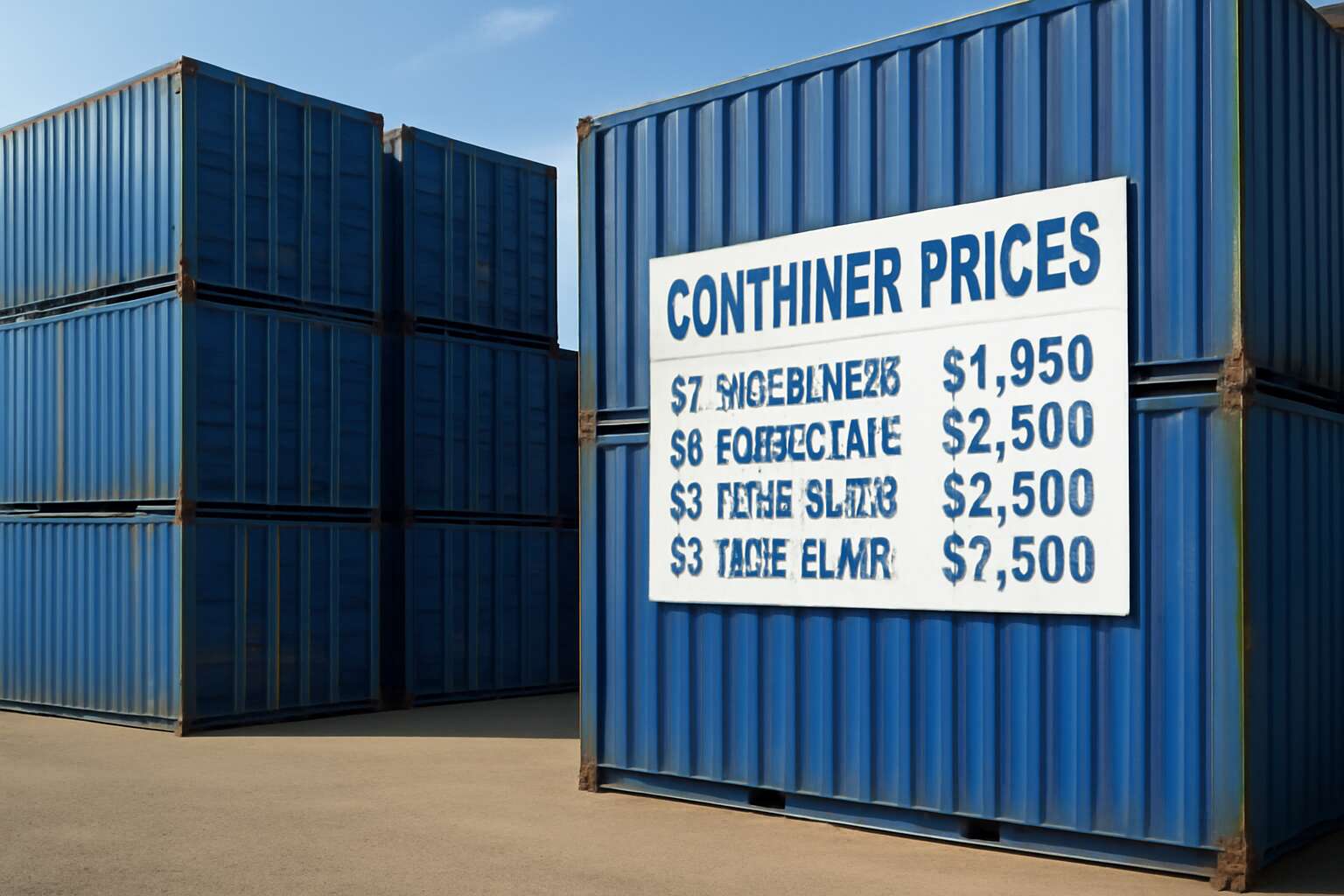
Understanding the price landscape for used containers
Overview of used container pricing
“Price is what you pay; value is what you get,” a sentiment I hear echoed by buyers who know to look beyond tag lines. In South Africa, the price landscape for used containers shifts with currency swings, freight realities, and the odd municipal permit. Understanding these forces helps purchasers stay nimble when scouting the market. The price list used containers for sale provides a clear map through this maze.
- Age and condition affect depreciation and usability
- Distance to site, delivery logistics, and local taxes
- Container size (20ft vs 40ft) and hub type (standard, high-cube)
For buyers in South Africa, comparing offers across sellers and factoring refurbishments can yield surprising savings—without compromising capacity or compliance. A clear understanding of the price drivers helps professionals negotiate confidently, keeping projects on track with minimal drama.
Factors influencing container prices
In the South African market, the price tag on a used container can drift like a street-side omen. The latest figures show buyers can save up to 12% when the price list used containers for sale is weighed against freight charges and rand swings—a reminder that value often hides behind the numbers.
Behind the ledger, currency volatility, shipping corridors, and municipal permits cast long shadows on the bottom line. Age, wear, and refurbishment potential tilt the depreciation curve, while demand in major SA hubs can tighten the focus of pricing.
- currency swings and import duties
- freight rates, lead times, and delivery logistics
- refurbishment, compliance, and resale value
This knowledge sharpens judgment and narrows the drama around bids, letting the market’s pulse speak through the numbers.
Regional price variations and market trends
South Africa’s used container market moves like a coastline—unpredictable, yet navigable. Price shifts crest as freight routes shift and rand rhythms tug on costs. The price list used containers for sale acts as a compass, offering guidance while the real value hides in transit times, local permit realities, and refurbishment potential meeting demand. From my desk, I watch the tides of freight and rand reshape the numbers! The market hums with possibility.
Currents vary by region, shaping how prices land.
- Coastal hubs such as Durban and eastern ports move with steady throughput, tempering volatility while rewarding convenient access.
- Inland corridors around Johannesburg and Pretoria see sharper swings when domestic demand surges and stock turns quickly.
- Seasonal windows in Cape Town’s shipping lanes tilt pricing in predictable rhythms, aligning with port activity.
These dynamics remind buyers that value isn’t a single number—it’s a balance of timing, location, and stock quality.
How to read and compare price lists
Harbour whispers thread the air; a single price line can swing the ship’s course. The price list used containers for sale glows like a lantern in the fog, guiding decisions that otherwise drift.
Read it with a hunter’s patience: note currency, unit size, and condition narrative (as-is, refurbished, wind-worn). Consider what’s included: delivery, load ports, and the frame’s interior condition. The devil sits in transit times, permits, and refurbishment windows—data that rarely sits on the surface.
- Match price to delivered conditions and stock quality
- Gauge refurbishment potential and resale value
- Compare lead times against demand cycles
In South Africa, market tempo shifts with rand fluctuations and port schedules; the price landscape demands a patient gaze.
Seasonal fluctuations and availability effects
Seasonal winds sculpt the price list used containers for sale, and in South Africa the rand’s waltz with the dollar can redraw the map overnight. Seasonal fluctuations and availability effects mean prices drift with the calendar, and a typical 8–12% swing between quiet and peak windows is not unusual here.
I’ve learned that understanding when demand tightens and stock loosens helps buyers gauge value beyond sticker price:
- Demand surges ahead of shipping windows
- Port schedules create micro-lulls and spikes
- Refurbishment cycles squeeze or extend availability
For buyers and suppliers in SA, timing becomes the decisive variable—not the sticker alone, but the rhythm of stock and transit. Lead times, permits, and refurbishment windows conspire with currency moves to craft a living price map you can read, not merely skim!
Container types and grade impacts on price
Standard dry containers price guide
Across South Africa’s rural towns and farms, the right container can change how a week unfolds. A smart choice cuts trips, protects tools, and trims storage costs. A veteran transporter once said, ‘a solid shell is a quiet partner in a rough season,’ and that truth shows when the unit fits its purpose. The difference often comes down to container type and grade.
Container types and the grade you choose influence the price, even within the Standard dry containers price guide. Consider these common options:
- Standard dry containers (20′ and 40′) — base unit, lowest price for basic storage
- High-cube variants — taller, modest premium
- Refrigerated units (reefer) — climate control at a premium
- Open-top and flat racks — specialized uses, extra hardware
In the price list used containers for sale, higher-grade units command higher prices, while lightly used condition can shave costs.
Refrigerated and insulated units pricing differences
A single refrigerated container can stretch a project from a week to two, and the numbers reflect it. In many South African markets, the premium over a standard dry unit runs about 20–40%, a statistic that hides a truth: climate control reshapes your workflow as much as your ledger. In the price list used containers for sale, refrigerated units sit at the top of the range, while well-insulated boxes without active cooling land closer to basic storage. Grade, age, and fit turn the dial on price.
Insulated units without refrigeration trade comfort for cost, yet the price climbs with thicker insulation, tighter seals, and better doors. Refrigerated units charge extra for power needs and refrigeration equipment, but their reliability under pressure can justify the spend.
- Insulation type and thickness
- Refrigeration hardware and energy demand
- Age and previous duty cycle
- Container size (20′ vs 40′)
High-cube versus standard height pricing
Container types and grade impacts on price unfold like a map of choices. High-cube units, taller by a foot, unlock extra storage and easier ventilation, but they land higher on the price ladder than standard-height boxes. In the price list used containers for sale, the premium reflects not just size but potential daily throughput; grade, age, and fit shape the final number.
- Headroom and access affect handling time and storage density
- Payload capacity and insulation options push price as needed
- Grade finishes and door hardware determine durability and resale value
In South Africa, buyers weigh dock access, transport routes, and year-round demand when weighing height choices. The decision shifts not only the upfront cost but the ongoing operational footprint, shaping the entire project’s rhythm.
Cargo worthy and wind/watertight condition codes
Every Rand spent on a used container carries a little story of weathered steel and long journeys. In container pricing, the type and grade shape the price far more than appearance. A CW—Cargo Worthy—unit signals a strong shell and operable doors; a WWT—Wind/Water Tight—box prioritises dryness and resilience. In the price list used containers for sale, age, fit, and condition reports press the final number up or down, especially for projects that face storms and outdoor storage.
- Cargo Worthy (CW): structurally sound, with working doors and seals for transport.
- Wind/Water Tight (WWT): tight seams and secure closures for outdoor storage and durability.
Choosing the right code, plus age and interior finish, affects maintenance and resale value. It helps SA buyers manage dock access, transport routes, and year-round demand, turning a simple purchase into a reliable backbone for a rural operation. The conversation around container pricing stays grounded in what the unit can endure and how it will serve when the rains come and the heat lingers.
New versus used price deltas and depreciation
Container pricing in SA isn’t a fashion show—it’s a ledger of grade and age. The type and finish move the price more than the colour. CW units present a shell ready for transport; WWT boxes promise dryness and resilience. In the price list used containers for sale, grade, age, and interior finish push the final number up or down for storms or year-round storage.
New vs used deltas hinge on depreciation and refurbishment. New units start at a premium that shrinks with age; a well-kept used container can deliver real value at a fraction of the price, especially with solid seals and interior fit.
- New containers: higher upfront price, minimal wear
- Used containers: depreciation to reflect age, offset by upgrades
For SA buyers, the grade isn’t cosmetic; it guides dock access, routes, and year-round demand, keeping storage practical and nimble.
Interpreting a price list for used containers
How features and specs appear in price lists
Across South Africa’s logistics landscape, 72% of buyers say the price list shapes the decision at first glance. That price list used containers for sale isn’t just a price tag—it’s a compass in the SA market. Interpreting it means reading beyond the headline, spotting exactly which specs ride with that sticker.
Features and specs often hide behind neat abbreviations. Look for Type, Size, Year, Condition, and any included accessories.
- Dimensions and tare
- Condition notes
- CT codes and certs
- Delivery terms and warranty
To compare fairly, translate every line into real costs—rand figures plus freight, VAT, and delivery. Check for footnotes, rename codes, and be wary of ‘as is’ language. The trick is to balance headline price with the true value of the specs, so your next purchase aligns with project timelines rather than punchlines.
Pricing by container size and door type
The real cost hides in the details. In SA procurement, the smallest line item—size and door type—often decides the deal before freight quotes arrive. “The price is the starting line, not the finish,” a buyer told me.
Interpreting price lists for containers means reading the grid for size and door type. Expect entries for 20 ft, 40 ft, and high-cube, with premiums for double doors or side doors.
- Size options and their base prices
- Door type premiums (standard, double door, side access)
- Delivery terms and any warranties or fees
Translate each line into rand figures—base price, freight, VAT, and delivery. In a price list used containers for sale, you read beyond the headline and match specs to your project timelines.
Bulk purchases and fleet discounts
In SA procurement, the price list used containers for sale often reads like a roadmap. “The price is the starting line, not the finish,” a buyer told me, and those words land like a bell in the warehouse. Reading the grid means more than tallying 20 ft vs 40 ft; you weigh door types, double doors, side access, and every premium against your project schedule and cash flow. I watch the grid breathe, noticing where lines drift with seasonality!
- Base price by size and door type (20 ft, 40 ft, high cube)
- Freight, VAT, and any delivery surcharges
- Delivery terms, warranties, and any extra fees
- Available bulk or fleet discounts for large orders
Bulk purchases and fleet discounts can tilt the balance toward a favorable outcome.
Location-based pricing and delivery charges
In South Africa’s bustling procurement corridors, the price list used containers for sale reads like a map of routes and risks. A practical rule of thumb: location-based pricing can tilt the total cost by up to 12% depending on province and distance to site. Read the lines not just for the base price but for the delivery narrative that shadows every container in transit.
- Distance to site and remote-access challenges
- Urban versus rural delivery and gate fees
- Seasonal road restrictions or toll surcharges
- Site prep or installation surcharges
With that lens, you’ll see the true cost arc—and negotiate with clarity, turning a price list into a precise forecast rather than a cloudy assumption.
Hidden costs to verify before buying
In South Africa, the price list used containers for sale can feel like a treasure map—tin glints in the base price, while shadowed margins hide what it truly costs to ship, install, and return a unit. Hidden costs such as delivery distance, gate access, and installation surcharges can tilt the total—savvy buyers report adjustments of up to 12% when these line items aren’t read.
- Delivery distance, gate access fees, and site charges
- VAT treatment, invoicing currency, and tax exemptions
- Installation, site preparation, anchoring, and craneage
- Warranty terms, maintenance history, and service life expectations
Understanding these lines helps convert a price tag into a reliable forecast.
With that lens, you’ll read the price list as a map of true cost and dependable partners on site.
Seasonal pricing trends and inventory cycles
Prices move like weather across a South African market. The price list used containers for sale is less a fixed price and more a forecast—one that rewards patience and careful reading. Seasonal pricing trends and inventory cycles shape what you’ll actually pay, even when the base rate looks identical. A sharper eye spots the quiet shifts between a fresh shipment and the longer-dormant stock, turning a simple number into a future cost path.
Seasonal rhythms rarely announce themselves with fanfare; you’ll hear them through the cadence of stock arrivals and quiet gaps between consignments. Spot these signals:
- Q1 restocks tilt prices as suppliers clear space for new models
- Mid-year inventory cycles tighten availability in peak buying windows
- Q4 pushes bring end-of-year deals as fleets turn over
- Regional variations in delivery windows and demand shape local pricing
Interpreting the price list transforms a mere tag into a map of dependable partners and hidden margins, a compass for negotiating with clarity rather than guesswork.
Strategies to maximize value when buying used containers
Evaluating seller credibility and container history
South Africa’s logistics tempo is brisk, and value reveals itself when the ink dries. A veteran trader likes to say, “Value is what you can prove after the purchase.” The price list used containers for sale isn’t merely numbers; it’s a social map of reliability, condition, and long-haul potential.
Credibility and container history are the quiet currencies of a smart buyer. Seek transparent provenance and consistent communication; the seller who shares repair notes, service histories, and clear contact details earns trust.
- Clear provenance and repair records
- Verified wind-tightness, corrosion, and testing notes
- Transparent pricing history and catalog consistency
- Positive references from established South African projects
When trust and traceability align, you’re not just buying a box—you’re securing time, resilience, and quiet confidence in a South African climate.
Negotiation tactics for price and terms
Value travels faster than freight in South Africa’s busy ports, and the sharpest deals emerge when the paperwork tells the real story. “Proof beats promise in the yard,” a veteran trader likes to say. So when you read the price list used containers for sale, read it as more than numbers—see durability and the timeline behind each frame.
As you seek maximum value, consider the full cost of ownership and how delivery and downtime affect your project. In negotiation, stay calm, let the facts lead, and favour quotes that spell out terms clearly—payment windows and after-sale support included.
- Transparent delivery timelines and paperwork
- Clear payment terms and discount options
- Post-sale support and responsive communication
A patient, well-informed approach turns a routine purchase into enduring value.
Delivery, handling, and installation implications on total cost
Across South Africa’s ports, downtime spikes when delivery and installation aren’t aligned. The price tag tells only part of the story—durability and timelines finish the tale. When you review the price list used containers for sale, read it as a narrative behind every frame.
To maximise value, let the flow of goods and the space it occupies guide your eye.
- Delivery windows and crane availability
- Handling compatibility with site equipment
- Installation scope and milestones
- Bundled services to reduce downtime
I’ve learned that patient, informed choices turn a routine purchase into enduring value in the South African yard.
Inspection checklists to avoid overpaying
In South African yards, downtime climbs when delivery and installation drift apart. The price list used containers for sale tells a partial tale; durability and timing write the rest.
To maximise value, let flow and space guide decisions. Seek price lists that reflect delivery windows, crane availability, and installation milestones—and look for bundled services to reduce downtime.
An inspection lens reveals value beyond the sticker price.
- Visual signals: corrosion, dents, and frame integrity
- Door seals, latching, and hinge wear
- Floor condition and pallet-ready load surface
The yard narrative persists: durability and schedule finish the tale.
Financing, leasing, and payment options
Finance the flow, and the container tale grows lighter on your ledger. In South Africa, the savvy buyer learns to pair the price list used containers for sale with terms that match uptime and installation windows. “Money follows momentum,” a veteran supplier often says, and financing, leasing, or flexible payment terms can turn a stiff price into a smoother voyage toward value.
- Financing that spreads cost across the project life while protecting cash flow
- Leasing options with maintenance, upgrades, and end-of-lease flexibility
- Pay-as-you-use or milestone-based payments aligned to delivery and installation
By weaving these options with delivery windows and installation milestones, your choice remains durable and timely, not merely cheap. The right structure keeps downtime at bay and lets space, rather than scarcity, define value—especially when the price list used containers for sale reflects timing and scope.


0 Comments