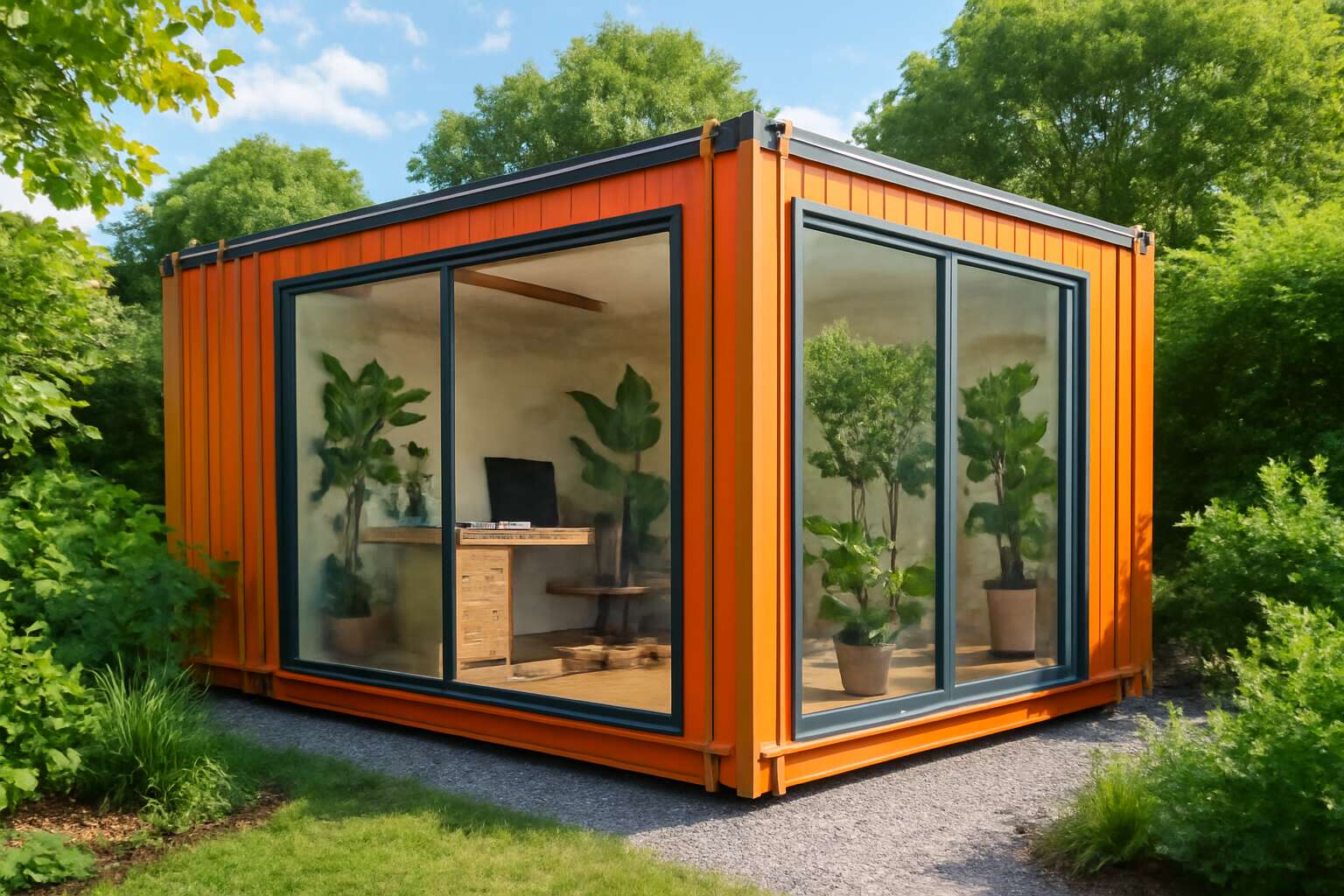
Understanding Shipping Container Conversions
What Are Shipping Container Conversions?
When you hear about innovative space solutions, shipping containers converted into functional buildings often top the list. These conversions are more than just a trend—they’re a practical response to urban densification and a sustainable approach to construction. Shipping containers converted into homes, offices, or retail spaces can be tailored to fit almost any purpose, offering a versatile alternative to traditional structures.
The process involves transforming a standard shipping container into a fully functional space through insulation, electrical wiring, plumbing, and interior finishing. This approach not only reduces construction time but also significantly lowers costs. For those seeking a creative edge, shipping containers converted provide a unique aesthetic, blending industrial charm with modern design. With the right modifications, these containers become durable, eco-friendly, and highly customizable units that meet various needs across South Africa’s dynamic landscape.
Types of Converted Shipping Containers
Shipping container conversions come in a variety of forms, each tailored to specific needs and aesthetic preferences. Understanding the different types of converted shipping containers can help you make informed decisions for your project. Whether it’s a compact office or a spacious home, the versatility of shipping containers converted into functional spaces is impressive.
One popular type is the **modular container unit**, designed to be easily expanded or reconfigured as requirements change. These are often used in South Africa for pop-up shops or temporary offices, thanks to their quick setup and mobility. Another common form is the **residential container**, which transforms shipping containers into cozy, eco-friendly homes. These often feature insulation, windows, and interior finishes that make them suitable for everyday living.
Additionally, some projects involve **commercial shipping containers converted into retail outlets** or dining spaces, blending industrial charm with modern design. The process can sometimes involve combining multiple containers — creating a multi-room structure that maximizes space while maintaining the durability and cost-effectiveness of shipping containers converted for specific purposes.
Benefits of Converting Shipping Containers
Few innovations in modern architecture embody both resilience and adaptability quite like shipping containers converted into living and working spaces. Their inherent robustness, combined with the potential for creative transformation, offers a sustainable alternative to traditional construction methods. In South Africa, where the quest for affordable and eco-friendly solutions is ever-present, these converted shipping containers have emerged as a beacon of ingenuity and practicality.
The true allure of shipping containers converted lies in their remarkable versatility. They can be tailored to meet a spectrum of needs—from compact, mobile offices to sprawling eco-homes—each exuding a unique blend of industrial charm and contemporary comfort. Their cost-effectiveness, paired with rapid installation, makes them an attractive choice for entrepreneurs and homeowners alike. The seamless fusion of durability and design flexibility ensures that these conversions not only serve functional purposes but also elevate aesthetic appeal, transforming utilitarian metal into inspiring spaces that tell stories of resilience and innovation.
Popular Uses and Applications of Converted Shipping Containers
Business and Commercial Spaces
When it comes to innovative business solutions, shipping containers converted are making waves across South Africa’s commercial landscape. These sturdy, versatile structures are no longer just for freight—they’re transforming into trendy retail outlets, pop-up cafes, and even fully functional offices. Imagine a retail space that’s as mobile as your latest marketing campaign—talk about flexibility! The beauty of shipping containers converted lies in their ability to be tailored precisely to your needs, whether that’s a sleek workspace or a vibrant storefront.
Beyond retail, these containers are also ideal for creating efficient storage facilities, emergency response units, or even mobile clinics. Their adaptability means they can be stacked, expanded, or customized with insulation, windows, and electrical wiring—making them a perfect solution for a variety of commercial applications. Here are some popular uses:
- Pop-up shops and markets
- Temporary or permanent office spaces
- Industrial storage units
- Event venues and exhibition spaces
In essence, shipping containers converted unlock a world of possibilities, providing cost-effective, eco-friendly, and visually striking solutions that are as practical as they are innovative. It’s no wonder they’re becoming a staple in South Africa’s entrepreneurial toolkit.
Residential and Living Spaces
In the vibrant tapestry of South Africa’s innovative architecture, a new chapter unfolds—one where shipping containers converted become more than mere storage; they metamorphose into sanctuaries of lifestyle and living. These modular marvels, once relegated to freight yards, now serve as the canvas for personalized residential spaces that blend functionality with artistry. Imagine a home that can be transported across the landscape, a sanctuary that adapts to your life’s rhythm—truly, these converted containers are redefining what it means to live.
From cosy tiny homes to expansive family retreats, the versatility of shipping containers converted lends itself to a spectrum of residential applications. Their robust structure provides insulation options, electrical wiring, and custom finishes, transforming industrial steel into warm, welcoming abodes. Whether nestled in the countryside or perched on urban rooftops, these innovative dwellings are an eco-friendly, cost-effective solution that champions sustainability without sacrificing style.
In fact, the appeal of shipping containers converted extends beyond the traditional. They are increasingly used for:
- Luxury tiny homes with bespoke interiors
- Eco-villages that foster community living
- Accessible student housing with flexible layouts
- Remote retreats offering self-sufficient comfort
With each conversion, a new story begins—one where form meets function in perfect harmony, and the possibilities are as limitless as the imagination. The future of living in South Africa is being built, one shipping container at a time.
Event Venues and Pop-up Shops
In the bustling world of South Africa’s creative spaces, shipping containers converted are proving to be versatile chameleons—adapting seamlessly from mere storage units to vibrant hubs for events and commerce. Their sturdy structure, once solely dedicated to freight, now serves as the perfect foundation for pop-up shops and event venues that demand both portability and presence. Imagine a sleek, modular space that can be wheeled into a festival or a bustling market and instantly commands attention.
Popular uses of shipping containers converted in this realm include:
- Temporary retail outlets that draw foot traffic with their industrial charm
- Pop-up cafes and bars, transforming urban landscapes into chic social hotspots
- Event venues for exhibitions, concerts, or corporate gatherings that require a flexible footprint
The beauty lies in their ability to be customized—interior layouts can be tailored to match branding, and exterior aesthetics can be styled to fit the theme. Whether for a weekend market or a high-profile launch, these converted containers deliver a punch of practicality with a side of style—truly, they are redefining how South Africa hosts and exhibits its vibrant culture!
Storage Solutions
In South Africa’s vibrant landscape of innovation and creativity, shipping containers converted have become the ultimate chameleon—transforming from simple freight carriers into breathtaking venues and commercial hubs. Their robust structure provides a blank canvas for entrepreneurs and event organizers alike, offering versatility that is hard to match. From bustling markets to elegant soirées, these adaptable spaces are redefining urban aesthetics and functionality.
Popular uses of shipping containers converted include a variety of dynamic applications that captivate both locals and visitors. Temporary retail outlets, for example, leverage the industrial charm of converted containers to draw foot traffic and create memorable shopping experiences. Likewise, pop-up cafes and bars breathe new life into city streets, turning ordinary corners into chic social hotspots. Event organizers also embrace these transformed containers as flexible venues for exhibitions, concerts, or corporate gatherings—each space customizable to meet precise branding or thematic needs.
What truly sets shipping containers converted apart is their innate ability to be tailored. Interior layouts can be meticulously designed to optimize flow and functionality, while exterior aesthetics can be styled to match the theme or ambiance desired. Whether it’s a sleek, modern look or an artistic, rustic appeal, these containers serve as an elegant foundation that amplifies the vibrancy of South Africa’s cultural tapestry.
Design and Customization Options for Shipping Container Conversions
Interior Design Ideas
When it comes to transforming shipping containers converted into inspiring spaces, the possibilities are virtually limitless. The interior design options for these conversions evoke a sense of ingenuity and adaptability, allowing for a personalized touch that truly stands out. From sleek, modern aesthetics to rustic, industrial charm, each interior can be tailored to meet specific needs and tastes.
Designers and architects often leverage the container’s structural versatility by incorporating innovative customization options. Think exposed steel beams paired with warm wooden accents, or vibrant color palettes that energize the space. To enhance functionality and style, consider adding features such as fold-away furniture, integrated lighting, and custom insulation. The key lies in blending form with function—creating an environment that is both visually captivating and practical.
For those seeking inspiration, a few interior design ideas for shipping containers converted include open-plan living areas, multi-purpose workspaces, or cozy retreats. The goal is to maximize every inch of space while maintaining an aesthetic that resonates with your vision. After all, each container holds the potential to become a unique masterpiece, reflecting the personality and purpose behind its transformation.
Exterior Modifications
Transforming shipping containers converted into striking architectural statements begins with exterior modifications that elevate both form and function. The sturdy steel shells lend themselves to a canvas of creative possibilities, from bold paintwork to structural enhancements that redefine the container’s silhouette. In South Africa’s vibrant landscape, these exterior modifications often reflect a harmony of resilience and aesthetic allure, capturing the essence of modern ingenuity.
Designers frequently explore the potential of the container’s exterior by incorporating features such as custom facades, large panoramic windows, or solar panel installations. These choices not only enhance visual appeal but also contribute to energy efficiency and sustainability. For those seeking a dramatic impact, adding vertical gardens or intricate metalwork can create a striking visual contrast, blending nature with industrial design seamlessly.
When considering exterior customization, a few key options include:
- Cladding with wood, brick, or composite materials for a warm, inviting look
- Enhanced insulation to improve climate control and longevity
- Reinforced doors and secure locks for added safety and privacy
Every exterior modification is an opportunity to turn a shipping container into a bespoke masterpiece, highlighting the unique personality behind each converted structure. With these thoughtful enhancements, shipping containers converted can transcend their utilitarian roots, becoming bold symbols of innovation and style in any setting.
Insulation and Climate Control
Within the realm of shipping containers converted into bespoke spaces, one of the most compelling facets lies in the nuanced art of insulation and climate control. These elements are not mere afterthoughts but foundational to transforming a utilitarian steel shell into a sanctuary of comfort and efficiency. As South Africa’s diverse climate demands, effective insulation becomes the silent guardian against the sweltering heat or biting cold, ensuring that the interior remains a haven regardless of seasonal extremes.
Innovative design options for insulation include spray foam, mineral wool, and insulated panels, each offering distinct advantages. The choice of material directly influences thermal performance, soundproofing, and overall durability. A well-insulated shipping container converted can significantly reduce energy consumption, making sustainability an intrinsic part of the project.
- Enhanced insulation for optimal climate regulation
- Energy-efficient design to reduce operational costs
- Soundproofing for noise-sensitive environments
Moreover, integrating advanced climate control systems—such as ducted air conditioning or heat exchange units—further elevates the comfort level. These systems are discreet yet powerful, capable of maintaining precise temperature and humidity levels essential for residential, commercial, or creative uses. The synergy of robust insulation and sophisticated climate control in shipping containers converted underscores a commitment to longevity and comfort, transforming industrial containers into resilient, inviting spaces that thrive amidst South Africa’s dynamic environment.
Electrical and Plumbing Integration
When transforming a humble shipping container into a bespoke space, the devil is in the details—particularly in the realm of design and customization options. These conversions aren’t just about slapping a coat of paint; they’re about creating a tailored environment that matches your vision, whether it’s a sleek office, a cozy studio, or a chic retail outlet. The possibilities for interior design are vast, from minimalist industrial chic to warm, inviting interiors that feel anything but utilitarian.
Electrical and plumbing integration play a starring role in elevating these converted shipping containers from simple shells to fully functional spaces. Smart wiring and water systems are carefully engineered to blend seamlessly into the structure, maximizing space and efficiency. The key is ensuring that these systems are discreet yet robust enough to handle the demands of everyday use.
For those seeking a dash of innovation, consider these essential elements:
- Flexible electrical layouts for lighting, power outlets, and appliances
- Water supply and drainage systems optimized for compact spaces
- Smart automation for climate control and security
In the end, the true art of converting shipping containers lies in harmonizing functionality with aesthetics—delivering a space that’s not only practical but also a joy to inhabit or operate within. Properly integrated electrical and plumbing systems are the unsung heroes of these transformations, ensuring your shipping containers converted stand the test of time and trends in South Africa’s unique environment.
The Process of Converting Shipping Containers
Planning and Design Phase
Embarking on the journey of transforming a humble shipping container into a stunning space is akin to orchestrating a symphony of practicality and innovation. The planning and design phase is the critical first act—where visions are sketched, measurements are meticulously taken, and the blueprint of what will soon be a fully functional converted shipping container is born. It’s easy to underestimate the importance of this stage, yet it sets the tone for everything that follows.
During this phase, designers and engineers collaborate to ensure structural integrity while accommodating aesthetic ambitions. For instance, they consider factors such as load-bearing capacities, access points, and ventilation—elements vital to the success of the project. To streamline the process, many professionals employ a systematic approach:
- Assessing the intended purpose of the shipping container converted
- Designing customized modifications that fit the space’s unique requirements
- Calculating costs and sourcing materials that align with both budget and vision
By adhering to a thorough planning and design phase, the transformation from a standard shipping container to a bespoke space becomes not just feasible but an elegant testament to ingenuity. It’s this meticulous groundwork that ensures the final product isn’t merely functional but a striking embodiment of creativity and purpose—ready to make an impact in South Africa’s vibrant landscape.
Structural Modifications and Reinforcements
Converting a shipping container into a habitable or functional space demands more than mere aesthetic ambition; it requires a meticulous dance with structural integrity. The process of structural modifications and reinforcements is where the transformation becomes tangible—where steel meets ingenuity in a dark ballet of craftsmanship. Every cut, weld, and reinforcement is calculated, ensuring that the container can withstand the weight of future occupants or heavy equipment.
To achieve this, professionals often employ a systematic approach, beginning with assessing the container’s existing frame. Reinforcements such as additional steel beams or supports are then integrated to bolster load-bearing capacity. For example, cutting large openings for windows or doors necessitates precise reinforcement around these areas, lest the entire structure succumb to instability. In some cases, steel bracing or underpinning becomes essential to preserve the container’s form amidst modifications.
When contemplating the transformation of shipping containers converted, consider these critical steps:
- Strengthening the container’s base and walls to support added weight
- Reinforcing cut-out sections for windows and doors with steel supports
- Implementing cross-bracing to prevent deformation under stress
Each phase of this process echoes the gothic artistry of restoration—preserving the core essence while fostering resilience. The end result: a transformed shipping container that stands as a testament to both durability and design—an elegant fortress amid South Africa’s vivid landscape, ready to embrace new purpose and stories.
Insulation and Finishing Touches
Once the structural skeleton of a shipping container has been fortified, the journey toward creating a comfortable, energy-efficient space truly begins. Insulation plays a pivotal role in this transformation, turning an industrial vessel into a sanctuary against South Africa’s varying climate. The process involves carefully selecting insulation materials—be it spray foam, rigid foam boards, or mineral wool—that provide optimal thermal regulation. These materials are installed with precision, ensuring no gaps or weak spots that could compromise the container’s climate control.
Finishing touches elevate the functional shell into a cohesive living or working environment. Interior wall linings, flooring, and ceiling treatments are chosen not only for aesthetics but also for durability and ease of maintenance. For shipping containers converted into vibrant commercial or residential spaces, thoughtful interior design weaves practicality with style—integrating electrical wiring and plumbing seamlessly into the insulated shell. This meticulous attention to detail transforms a rugged steel box into a warm, inviting, and resilient habitat, ready to endure and inspire amidst South Africa’s dynamic landscape.
Compliance and Building Codes
Every successful transformation of shipping containers converted into functional spaces hinges on meticulous adherence to local compliance and building codes. South Africa’s regulatory landscape, known for its robustness and occasional labyrinthine complexity, demands that each project meets specific standards for safety, structural integrity, and environmental impact. Overlooking these can turn a dream into a legal nightmare faster than you can say “permits!”
Engaging with the relevant authorities early in the planning process ensures your project aligns with national and municipal regulations. This proactive approach not only smooths the approval process but also safeguards your investment from costly revisions down the line. For instance, obtaining building permits that certify your shipping containers converted meet the necessary structural and safety criteria is non-negotiable.
To streamline compliance, consider the following:
- Engage licensed engineers and architects familiar with local building codes
- Ensure all modifications, including structural reinforcements, adhere to approved plans
- Secure environmental clearances if your converted container functions as a commercial or public space
By weaving these careful steps into your project’s fabric, you turn a rugged container into a fully compliant, resilient structure ready to withstand South Africa’s diverse climate and urban demands—no small feat, but undeniably worth the effort! After all, a shipshape container is a legal container, and that’s a foundation no project can afford to overlook.
Factors to Consider When Choosing Shipping Container Conversion Services
Experience and Portfolio
When selecting a company to handle your shipping containers converted project, experience and portfolio are paramount. An experienced service provider brings a nuanced understanding of structural integrity, safety standards, and innovative design solutions that elevate your vision from mere concept to tangible reality. Their portfolio acts as a window into their craftsmanship—each project reflecting their versatility and mastery in transforming containers into extraordinary spaces.
A reputable provider will showcase a diverse array of completed projects, demonstrating their ability to adapt to different needs and aesthetic preferences. It’s vital to look for testimonials and case studies that reveal how they’ve navigated complex requirements, especially when working within South Africa’s unique regulatory landscape.
Remember, the artistry behind shipping containers converted is not just about aesthetics; it’s about ensuring durability and compliance. Choosing a seasoned team with a compelling portfolio guarantees your project will not only meet expectations but surpass them, transforming a humble container into a masterpiece of functional design.
Customization Capabilities
When embarking on a project involving shipping containers converted, one cannot overlook the significance of customization capabilities. A bespoke approach ensures that each container seamlessly aligns with your unique vision, whether it’s a chic café, a sleek office, or an innovative retail space. The true art lies in tailoring every detail—interior layouts, exterior aesthetics, and functional features—without compromising structural integrity or compliance.
In South Africa’s dynamic market, flexibility is king. A service provider with robust customization capabilities can adapt to diverse needs, offering options like modular extensions, bespoke windows, or eco-friendly finishes. To gauge their prowess, consider their ability to incorporate innovative exterior modifications or interior design ideas that elevate standard shipping containers converted into extraordinary spaces. After all, the devil is in the details, and a keen eye for bespoke touches often makes the difference between ordinary and extraordinary.
Ultimately, choosing a company with extensive customization capabilities ensures your container transformation is not just a generic solution, but a personalized masterpiece that reflects your style and functional requirements—delivering a truly exceptional result every time.
Pricing and Budget
When selecting a provider for your shipping containers converted project, understanding the pricing and budgeting process is crucial. Costs can vary widely depending on the scope of customization, materials used, and the complexity of design features.
A transparent service provider will offer detailed quotes that break down expenses, including labor, materials, and any additional features like eco-friendly finishes or modular extensions. It’s important to ask whether the price includes permits, compliance checks, and potential structural reinforcements, ensuring no hidden costs emerge later.
Furthermore, consider the flexibility in payment options and the potential for phased payments aligned with project milestones. Sometimes, opting for a cheaper initial quote can lead to surprises if essential elements are overlooked—so weigh quality and experience alongside price. Ultimately, choosing a company that balances affordability with proven expertise in delivering high-quality shipping containers converted ensures your investment yields a truly exceptional space.
Turnaround Time
Time, like an unforgiving tide, dictates the rhythm of every successful shipping container conversion project. When choosing a service provider, the turnaround time can be the difference between a fleeting idea and a tangible masterpiece. A swift yet thorough process ensures your vision materializes without the curse of delays, but beware—hastiness can compromise quality. Precision must dance in tandem with efficiency.
In this realm of transformation, transparency about project timelines is paramount. A reputable company will offer a clear schedule, aligning expectations with reality. Sometimes, a shorter timeframe might tempt you, but it’s essential to consider the complexity of customizations and the intricacies of structural reinforcements that can prolong the process. Remember, a well-executed conversion balances speed with meticulous craftsmanship, ensuring your converted shipping container becomes a resilient, enduring space.
Ultimately, patience and clarity from your chosen provider pave the way for a seamless journey from bare steel to bespoke sanctuary or workspace. The artistry of shipping containers converted lies not just in their design but in how efficiently they arrive—ready to serve, inspire, and stand the test of time. Whether it’s an avant-garde pop-up shop or a sustainable eco-haven, the pace of transformation influences every heartbeat of your project’s success.
Cost and Budgeting for Shipping Container Conversions
Budget-Friendly vs. High-End Conversions
Cost and budgeting are pivotal factors when considering shipping containers converted for your project. While some envision a sleek, high-end transformation, others seek budget-friendly options that still deliver remarkable utility. The key lies in understanding what level of customization aligns with your financial scope. High-end conversions often feature premium insulation, bespoke interiors, and advanced climate control, all of which significantly impact the overall price. Conversely, budget-friendly alternatives focus on essential modifications, maximizing value without sacrificing durability.
To navigate this landscape effectively, consider the scope of your project and the level of finish required. For example, a simple storage solution might only need basic insulation and minimal modifications, keeping costs low. Meanwhile, a luxury residence or boutique event venue demands comprehensive upgrades, which can elevate the budget considerably. The beauty of shipping containers converted is that they offer flexibility—allowing you to balance your vision with your financial boundaries. Ultimately, whether aiming for affordability or opulence, careful planning ensures your investment yields a functional and striking space tailored to your needs.
Estimating Costs
Cost and budgeting are often the deciding factors when exploring shipping containers converted for various uses. The true challenge lies in balancing your vision with financial reality, especially in South Africa’s dynamic market. While some envision a luxurious, high-end space with premium insulation, bespoke interiors, and advanced climate control, others prefer budget-friendly options that still deliver on durability and utility.
Understanding the scope of your project is crucial. For instance, a basic shipping container converted into storage might only require minimal modifications, keeping costs remarkably low. Conversely, transforming a shipping container into a boutique hotel or executive office demands extensive customization, which can significantly increase your investment. Here’s a quick overview of typical cost considerations:
- Type of insulation and finishing touches
- Level of structural reinforcement needed
- Electrical and plumbing systems integration
- Exterior modifications for aesthetic appeal
Ultimately, the key to successful budgeting is clarity about your project’s goals. With the flexibility offered by shipping containers converted, you can craft a space that aligns perfectly with your financial boundaries—whether that’s a minimalist storage unit or a lavish, fully-equipped residence. Every dollar spent should serve a purpose, creating a space that’s both functional and compelling.
Cost-Saving Tips
Budgeting for shipping containers converted can feel like navigating a labyrinth—each decision influencing the final cost and overall feasibility. The key is to strike a delicate balance between your vision and South Africa’s fluctuating market conditions. While opting for a minimalist storage solution might keep expenses in check, creating a luxurious, fully-equipped living or business space demands a more substantial investment.
One effective way to optimize your budget is to focus on essential modifications first. For example, selecting cost-effective insulation and basic exterior finishes can drastically reduce expenses without compromising durability. If you’re aiming for high-end finishes, plan to allocate a larger portion of your budget toward premium materials and advanced systems.
- Prioritize core features that align with your project’s purpose.
- Consider phased development—start with essential modifications and add upgrades later.
- Leverage local suppliers and skilled tradespeople to keep costs manageable.
Ultimately, understanding the scope of your project allows you to tailor your spending wisely. Whether you’re creating a sleek, budget-friendly storage unit or a bespoke, lavish space, every rand should serve a purpose—delivering maximum value while respecting your financial boundaries. After all, each shipping container converted holds the potential to transform a simple idea into a striking reality, without breaking the bank.
Environmental Benefits of Converted Shipping Containers
Sustainable Building Practice
Every year, millions of shipping containers are discarded after their initial use, yet many of these steel giants find new life through innovative conversions. Opting for shipping containers converted for building projects isn’t just a smart economic choice—it’s a powerful step toward environmental sustainability. These repurposed structures significantly reduce waste, conserving resources that would otherwise be lost in landfills or burned. The process transforms what was once considered industrial refuse into vibrant, functional spaces that serve communities and entrepreneurs alike.
One of the most compelling environmental benefits of shipping containers converted is their minimal carbon footprint. By reusing existing materials, we cut down on the energy consumption associated with traditional construction. Additionally, many conversions incorporate eco-friendly insulation and renewable energy sources, further lowering their impact. The result? Beautiful, durable buildings that support a circular economy and promote greener living practices. Embracing these conversions is not only about innovation but also about fostering a sustainable future for our planet and communities.
Recycling and Reuse
In a world increasingly conscious of ecological footprints, the transformation of shipping containers converted into functional spaces stands as a testament to sustainable ingenuity. These steel giants, once destined for the scrapyard, now breathe new life through resourceful reuse, embodying a poetic dance between industry and environment. Recycling shipping containers is more than an act of conservation; it is a bold declaration that sustainability can be woven into the very fabric of our built environment.
Each repurposed shipping container acts as a vessel of hope, reducing the burden on landfills and diminishing the demand for virgin materials. By choosing shipping containers converted into homes, offices, or retail outlets, we embrace a circular economy—where waste is transformed into wonder. The environmental benefits extend beyond mere reuse; they include lowering greenhouse gas emissions and conserving precious energy. In essence, these conversions are a harmonious blend of form and function, echoing the urgent need for greener living practices.
Moreover, the versatility of shipping containers converted allows for innovative eco-friendly modifications. From solar panel installations to eco-insulation, these structures can be tailored to minimize environmental impact while maximizing durability. The ripple effect of this conscious choice fosters a culture of sustainability, inspiring communities and entrepreneurs alike to think beyond traditional construction and embrace the beauty of repurposing industrial relics.
Energy Efficiency Measures
Transforming shipping containers converted into eco-friendly spaces isn’t just a trend; it’s a movement toward a sustainable future. These steel giants, once mere cargo carriers, now serve as vessels of environmental innovation, dramatically reducing the carbon footprint of construction. One of the most compelling benefits of shipping containers converted is their inherent energy efficiency. By integrating advanced measures, these structures can operate with minimal energy consumption, making them a smart choice for eco-conscious projects.
Innovative energy efficiency measures include the installation of solar panels, which harness South Africa’s abundant sunlight, and eco-insulation techniques that maintain optimal internal temperatures without excessive heating or cooling. These modifications significantly decrease reliance on non-renewable energy sources. Additionally, some projects incorporate rainwater harvesting systems and natural ventilation strategies, further minimizing environmental impact. Embracing these technologies within shipping containers converted into homes, offices, or retail spaces underscores a commitment to sustainability—turning industrial relics into green marvels that breathe new life into eco-friendly living and working environments.
Real-World Examples and Case Studies
Innovative Commercial Spaces
Across South Africa, innovative uses of shipping containers converted into commercial spaces are transforming urban landscapes faster than a Johannesburg traffic jam. One striking example is the pop-up shops that pop up in Cape Town’s V&A Waterfront—portable, stylish, and eco-conscious, these converted containers turn heads and generate buzz. They’re the perfect solution for entrepreneurs eager to test the waters without drowning in overhead costs.
Perhaps most impressive are the bespoke office complexes sprouting in industrial zones, where shipping containers converted into workspaces offer flexibility and sustainability. These spaces often feature modular layouts and striking exterior modifications that make them stand out. As one local developer put it, “It’s like building with giant Lego blocks—only more sophisticated and a lot more eco-friendly.”
Modern Residential Projects
South Africa’s innovative approach to urban living and sustainable development is exemplified by the remarkable rise of residential projects crafted from shipping containers converted for housing. These modern dwellings are transforming the skyline, offering a fresh perspective on affordable, eco-friendly living. One standout example is the Cape Town-based initiative where sleek, multi-storey container homes nestle into the city’s hillside, blending modern design with environmental consciousness.
Real-world examples highlight the versatility of shipping containers converted into cosy, functional spaces. In Johannesburg, a pioneering developer transformed a collection of containers into a vibrant community hub, seamlessly integrating living, working, and leisure areas. Such projects often feature innovative exterior modifications, like green roofs and custom paintwork, which elevate these utilitarian structures into architectural statements. The true magic lies in how these conversions maximize space efficiency while reducing construction waste—a testament to sustainable building practices.
Furthermore, some residential projects employ containers to create modular, expandable homes that adapt to changing family needs. These flexible living environments can be easily reconfigured or expanded, making them ideal for South Africa’s dynamic urban landscape. The combination of robust structure, environmental benefits, and creative design makes shipping containers converted into residential spaces a compelling choice for forward-thinking homeowners and developers alike.
Creative Hybrid Conversions
Across South Africa, innovative developers are pushing the boundaries of urban transformation with shipping containers converted into vibrant, functional spaces. One striking example is in Cape Town, where a series of sleek, multi-storey shipping containers converted into stylish residential units now grace the hillside, blending cutting-edge design with eco-conscious principles. These structures don’t just redefine aesthetics—they embody sustainable building practices that are reshaping city skylines.
In Johannesburg, a remarkable project transformed a cluster of shipping containers converted into a community hub that seamlessly integrates living, working, and leisure zones. This hybrid approach showcases the true potential of shipping containers converted, demonstrating versatility and ingenuity. To elevate their visual appeal and environmental impact, many of these projects incorporate exterior modifications such as green roofs, custom paintwork, and solar panels, turning utilitarian structures into architectural marvels. Such case studies highlight how innovative container conversions can foster sustainable, adaptable urban environments that resonate with South Africa’s dynamic lifestyle.
Future Trends in Shipping Container Conversions
Smart and Eco-Friendly Features
As we cast our gaze toward the horizon of innovation, the future of shipping containers converted beckons with a promise of harmony between ingenuity and sustainability. These transformed giants of industry are evolving into marvels of smart technology and eco-conscious design, driven by a quest to reduce our carbon footprint while elevating functionality. Imagine shipping containers converted into intelligent spaces that adapt seamlessly to their environment, utilizing integrated solar panels, automated climate control, and energy-efficient lighting — all cloaked in a sleek exterior that whispers of modernity.
The next wave of developments will likely see a surge in eco-friendly features, transforming shipping containers converted into sustainable sanctuaries. This includes the adoption of recycled materials, advanced insulation techniques, and smart energy management systems that optimize power consumption. The integration of renewable energy sources not only enhances environmental stewardship but also lowers operational costs. As technology advances, expect to see an increase in modular, hybrid conversions that can be customized for diverse uses, from urban retreats to innovative commercial hubs, all while maintaining their ecological integrity.
Prefab and Modular Designs
As the horizon of architectural innovation expands, the future of shipping containers converted promises a convergence of sustainability and cutting-edge technology. These versatile structures are evolving beyond their traditional roles, embracing prefab and modular designs that cater to a diverse array of needs. In South Africa, where urban expansion and eco-consciousness go hand in hand, the shift toward advanced shipping containers converted is both timely and inevitable.
Prefab and modular approaches are revolutionizing how we envision space utilization. By employing standardized components and rapid assembly methods, these converted containers can be customized with remarkable efficiency. Imagine stacking and connecting units into multi-story complexes or creating flexible layouts that adapt to evolving demands. Such designs not only optimize land use but also reduce construction waste and energy consumption, aligning seamlessly with sustainable building practices.
- Rapid deployment of functional spaces
- Enhanced scalability for growing businesses
- Reduced construction timelines and costs
This trend paves the way for innovative commercial hubs, urban retreats, and even emergency response units—each crafted sustainably. As the technology behind shipping containers converted advances, expect to see more modular, hybrid configurations that can be tailored to specific needs while maintaining ecological integrity. The blend of prefab and modular design principles ensures these structures are not only adaptable but also resilient, making them ideal for the dynamic landscapes of South Africa.
Growing Market and Opportunities
The future of shipping containers converted is as bright as a Johannesburg sunrise and just as promising. Market analysts predict that the global shipping container conversion industry will grow exponentially over the next decade, driven by a surge in demand for sustainable, flexible structures. South Africa, with its burgeoning urban landscapes and eco-conscious mindset, is perfectly positioned to harness these opportunities.
In particular, innovative trends like hybrid modular designs are gaining traction, allowing for swift assembly and highly customizable configurations. This means that businesses, homeowners, and even government agencies can now invest in shipping containers converted that are tailored to their specific needs, all while supporting green building practices.
- Rapid deployment of eco-friendly spaces
- Cost-effective solutions for urban expansion
- Flexible layouts for evolving demands
As the market matures, expect a wave of creative hybrid conversions combining smart technology with sustainable materials. This evolution not only broadens the scope of what shipping containers converted can achieve but also opens new avenues for investors looking to make a meaningful impact in South Africa’s dynamic landscape. Who knew that a humble metal box could hold so much promise?



0 Comments