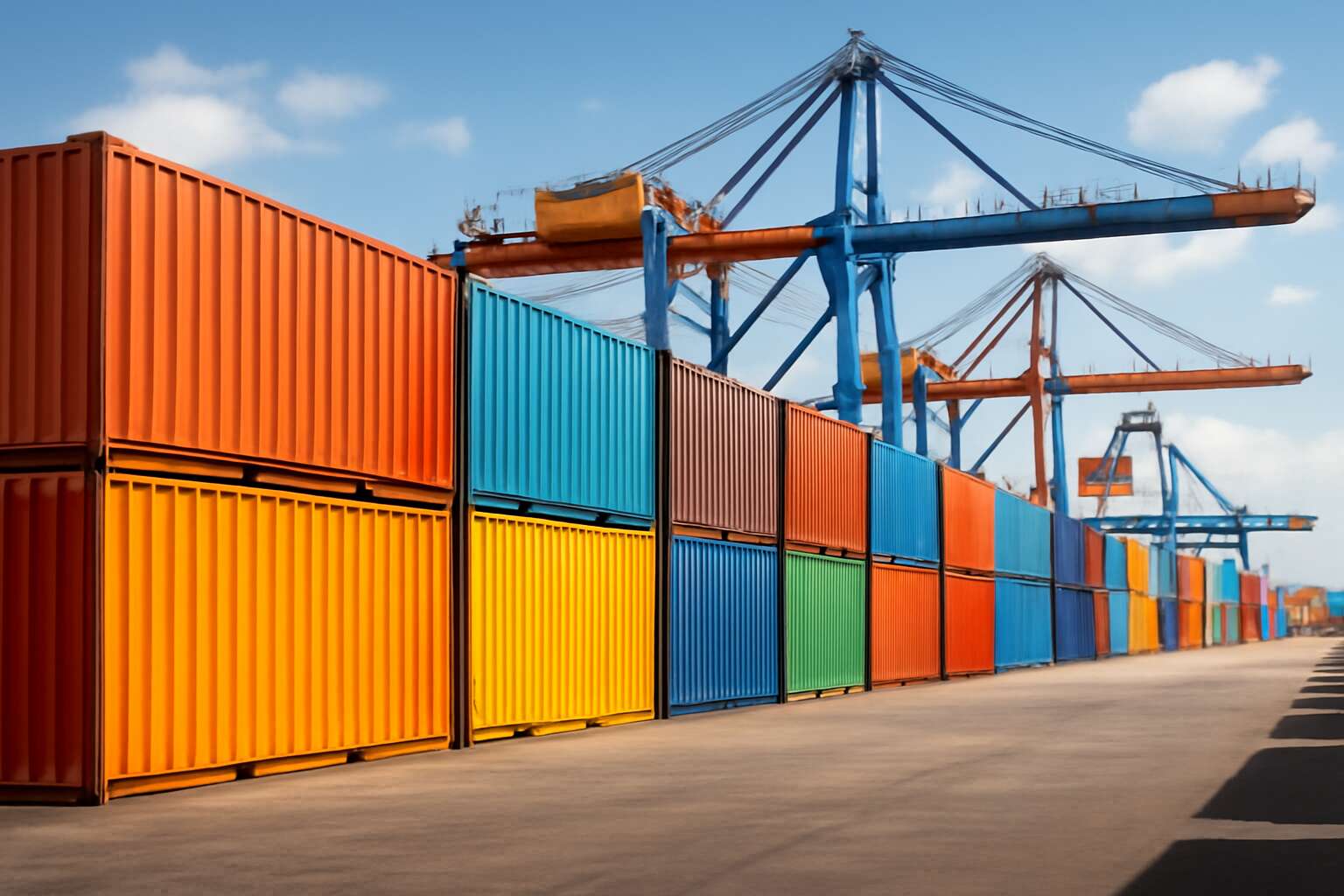
Types and Specifications of 40ft Shipping Containers
Standard Dry Containers
Within the shadowed corridors of global commerce, 40ft shipping containers emerge as silent sentinels—robust, versatile, and unwavering. Their simple yet formidable design conceals a world of possibilities. When considering shipping containers 40ft, the variations are subtle yet significant, each crafted to serve specific needs with an air of dark elegance.
The standard dry container, the most common among shipping containers 40ft, is an unassuming fortress—built to endure the tempestuous demands of international transport. These containers boast a steadfast steel shell, weather-resistant doors, and a floor designed to withstand the relentless passage of time and tide. Their specifications are often marked by internal dimensions of approximately 12.03 meters in length, 2.35 meters in width, and 2.39 meters in height. Yet, beneath this stoic exterior lies a realm of subtle distinctions.
- Standard Dry Container: The quintessential vessel, ideal for most types of cargo.
- High Cube Variants: Reaching an impressive 2.69 meters in height, offering increased volume for light but bulky items.
- Refrigerated 40ft Containers: Cloaked in icy veneer, these containers stalk the cargo realm for perishables.
High Cube Containers
Among the shadows of global logistics, the High Cube variant of shipping containers 40ft stands out with a presence both commanding and essential. Rising to an interior height of approximately 2.69 meters, these containers offer a startling increase in volume—perfect for cargo that refuses to be constrained by standard limits. Their taller profile is often mistaken for a mere aesthetic upgrade but is, in reality, a strategic choice for shipping bulky yet lightweight goods, making them a versatile tool in the hands of freight professionals.
The specifications of these high cube containers are tailored for maximum efficiency. Their length and width echo the standard 40ft container, but the additional height transforms the usable space dramatically. This advantage allows for the arrangement of cargo in layers, optimizing every cubic meter of the container’s capacity. For anyone navigating the realm of shipping containers 40ft, understanding these subtle yet impactful differences can spell the difference between logistical success and frustration.
It’s not just about volume—these containers are a marvel of engineering precision. Whether you’re transporting textiles, electronics, or light industrial equipment, the high cube variant adapts seamlessly to diverse cargo needs. Their increased height isn’t just a feature; it’s a window of opportunity in the shadowy world of transportation, unlocking new potential with every shipment!
Specialized Variants (Refrigerated, Open-Top, Flat-Rack)
When it comes to shipping containers 40ft, one size does not fit all. Specialized variants have emerged to meet specific logistical demands, expanding the versatility of these containers beyond traditional dry cargo. In South Africa’s bustling trade corridors, these specialized containers play a vital role in streamlining freight handling and ensuring goods arrive in pristine condition.
Refrigerated units, or reefers, are indispensable for perishable goods like fresh produce or pharmaceuticals. Open-top containers are ideal for oversize or awkward cargo that won’t fit through standard doors, offering the flexibility of lifting cargo over the top. Flat-rack containers are used for heavy, bulky items such as machinery or construction materials, with the added benefit of easy loading from the sides or top.
- Refrigerated containers: climate-controlled environments for sensitive cargo
- Open-top containers: accommodating oversized items with no height restrictions
- Flat-rack containers: transporting heavy machinery or large industrial equipment
Each of these specialized variants demonstrates the adaptability of shipping containers 40ft, transforming a simple box into a tailored shipping solution that meets diverse needs. Whether maintaining strict temperature controls or handling unwieldy loads, these variants prove that flexibility in cargo logistics is more than a luxury—it’s a necessity.
Material and Construction Quality
When choosing shipping containers 40ft, understanding the material and construction quality is essential for ensuring durability, safety, and cost-effectiveness. These containers are built to withstand the harshest environments, from the blistering heat of inland South Africa to the humid coastal regions. The primary materials used are corten steel or high-grade aluminum, both selected for their strength and corrosion resistance.
Quality construction is paramount; a well-built 40ft container features seamless welds, reinforced corners, and robust locking mechanisms. These elements work together to withstand heavy loads and frequent handling, crucial for logistics in South Africa’s dynamic trade routes. For instance, containers with heavy-duty steel floors provide a stable platform for loading and unloading heavy machinery or industrial equipment.
Different types and specifications can meet specific needs, including:
- Thick gauge steel walls for longevity
- High-quality paint coatings to prevent rust and corrosion
- Reliable locking systems to secure cargo
Investing in a 40ft shipping container with superior material and construction standards ensures your cargo remains protected, whether it’s delicate pharmaceuticals or bulky construction equipment. The resilience of these containers directly impacts the efficiency and safety of your supply chain, especially when moving goods across vast distances in South Africa.
Benefits and Uses of 40ft Shipping Containers
Commercial and Industrial Applications
In a world driven by rapid trade flows and complex logistics, a single shipping container can be a game-changer—especially when it measures 40ft. These robust giants translate into vast capacity, allowing businesses to scale operations without the need for constant reinvestment in additional storage or transport. Their versatility unlocks new potential across various industry sectors in South Africa, transforming mundane cargo handling into a strategic advantage.
Beyond simple freight transfer, shipping containers 40ft serve as the backbone for innovative industrial applications. From mobile warehouses to secure storage units, their durability and standardized design make them ideal for demanding environments. Industries such as manufacturing, logistics, and construction rely heavily on these containers to streamline operations, reduce costs, and enhance security.
Here are some practical uses of 40ft shipping containers in commercial and industrial applications:
- Converting into temporary or permanent office spaces on-site
- Establishing secure storage for raw materials or finished goods
- Creating pop-up retail outlets or exhibition booths during large-scale events
Storage Solutions and Warehousing
In the heart of South Africa’s bustling economy, the power of shipping containers 40ft cannot be overstated. Their size and durability make them the ultimate storage solution, transforming spaces into fortress-like warehouses that stand resilient against the elements. These containers are more than mere storage units—they are catalysts for operational efficiency, elevating business logistics to an entirely new level. Imagine a warehouse that can be moved, reconfigured, or expanded at a moment’s notice—this is the promise of shipping containers 40ft.
From securing raw materials to creating modular storage facilities, the uses of these containers are virtually limitless. Their standardized design simplifies stacking and transportation, streamlining supply chains and reducing overhead costs. Industries across the board—manufacturing, retail, construction—are leveraging these containers for flexible warehousing that adapts to evolving market demands. This adaptability makes shipping containers 40ft an invaluable asset in modern industrial infrastructure, especially for the dynamic South African market that demands resilient, scalable solutions.
Modular Building and Commercial Conversions
In the shadowed galleries of modern industry, the 40ft shipping container emerges as a vessel of transformation—more than mere storage, it becomes a canvas for innovation. When whispered about, these giants are often celebrated for their durability and versatility, but their hidden strength lies in their ability to forge bespoke solutions tailored to the most demanding needs. Commercial conversions of shipping containers 40ft can morph into sleek, adaptable spaces that challenge traditional notions of architecture, creating modular environments that breathe new life into urban landscapes.
From pop-up shops to sophisticated office suites, the benefits are boundless. The sturdy steel shell shields ventures from the unpredictable elements, while its standardized form simplifies integration into existing infrastructures. Industries across South Africa—retail hubs, exhibition spaces, and industrial workshops—capitalize on these space-age constructs to meet the swift change of markets with agility. Their capability to be reconfigured, expanded, or transported makes shipping containers 40ft a linchpin in the evolution of urban development.
- Rapid deployment for modular business units
- Cost-efficient transformation into functional real estate
- Seamless integration within complex logistical networks
These versatile containers do not merely serve—they inspire, offering a darkly poetic blend of strength and ingenuity that transforms the mundane into the magnificent. As the wind howls through South Africa’s expansive plains and bustling cities, the 40ft shipping container stands as a testament to resilience—an industrial chameleon capable of capturing the very essence of adaptability and endurance. Its use in commercial conversions heralds a new era where architecture and logistics dance in tandem, under the shadowed canopy of ingenuity.
Cost-Effectiveness and Durability
In an era where operational efficiency and adaptability are paramount, the durability and cost-effectiveness of shipping containers 40ft stand out as undeniable assets. These industrial giants are designed to endure the relentless forces of nature, from the scorching sun to heavy rains—an enduring testament to their robust steel construction. Their resilient framework ensures that investments in shipping containers 40ft deliver long-term value, reducing the need for frequent replacement and maintenance.
What truly elevates these containers beyond mere storage units is their remarkable versatility. Their standardized dimensions enable seamless integration into diverse applications, whether it’s transforming into a pop-up retail space or a mobile office. The initial investment pays off rapidly, as these containers can be reconfigured, expanded, or exported with ease—making them a cost-effective choice in the fast-paced markets of South Africa.
Moreover, the adaptability of shipping containers 40ft fosters an innovative approach to spatial challenges. Their capacity to serve multiple industries—retail, industrial, or creative—underscores their role as dynamic, enduring building blocks in modern infrastructure development. With a blend of strength and ingenuity, shipping containers 40ft redefine what is possible, inspiring a new wave of sustainable, modular solutions that withstand the test of time and environment.
Environmental Benefits
Beyond their functional utility, shipping containers 40ft present a remarkable environmental advantage that often goes unnoticed. Constructed from robust steel, these containers are designed for longevity, which means fewer replacements and less waste over time. This durability reduces the ecological footprint associated with manufacturing and disposal, making them an eco-friendly choice for businesses seeking sustainable solutions.
Furthermore, shipping containers 40ft can be repurposed into eco-conscious initiatives, such as green offices or community centers, fostering sustainable development within South Africa. Their reusable nature supports a circular economy, reducing the demand for new construction materials and conserving natural resources. This inherent reusability underscores the essence of sustainability—maximizing utility while minimizing environmental impact.
In addition, innovative companies are now transforming these containers into renewable energy hubs or eco-friendly retail outlets. The potential for environmental benefits is vast, as shipping containers 40ft embody resilience, adaptability, and responsibility—elements essential for building a sustainable future. Their capacity to serve multiple industries highlights their value as environmentally conscious infrastructure components, aligning industrial progress with environmental stewardship.
Buying and Renting 40ft Shipping Containers
Where to Purchase or Rent
Securing the right shipping containers 40ft for your project can be a game-changer, whether you’re establishing a temporary storage hub or a permanent structure. The choice between buying or renting hinges on your specific needs, budget, and scope. Buying offers long-term investment benefits, especially if you foresee ongoing demand or expansion, while renting provides flexibility and reduces upfront costs. For those exploring options in South Africa, there’s an array of reputable suppliers who specialize in high-quality shipping containers 40ft, ensuring durability and compliance with local standards.
Where to purchase or rent these containers is often the next crucial step. Several providers operate across major cities, offering both new and used units. For a seamless experience, consider platforms that supply detailed specifications and transparent pricing. Additionally, some companies facilitate custom modifications—like adding doors or ventilation—to enhance functionality. Whether you need a container for a short-term project or a long-term storage solution, weighing your options carefully can save both time and money, ensuring your investment in shipping containers 40ft makes a tangible difference.
Factors to Consider When Choosing a Container
Choosing between buying and renting shipping containers 40ft requires a nuanced understanding of your project’s demands. If you envision long-term use or future expansion, purchasing may turn out to be a shrewd investment, offering durability and flexibility. Conversely, for short-term needs or limited budgets, renting can be a more agile and cost-effective solution.
When selecting a shipping container 40ft, it’s essential to consider factors such as material quality—go for corrosion-resistant steel—and the specific modifications your project might require. Do you need a high cube model for extra headroom? Or perhaps a container with reinforced flooring?
Most providers in South Africa offer a range of options, including both new and used containers, each with unique benefits. Whether you’re building a temporary storage solution or a permanent structure, weighing these considerations ensures your shipping containers 40ft serve their purpose efficiently and reliably.
Pricing and Cost Analysis
Pricing for shipping containers 40ft varies widely depending on whether you plan to buy or rent. Purchasing a new 40ft shipping container typically involves a significant upfront investment, often ranging from R100,000 to R180,000 in South Africa. Used containers, while more budget-friendly, may cost between R70,000 and R120,000, but they come with considerations about durability and life span. Renting, on the other hand, provides flexibility—costing roughly R1,500 to R3,000 per month depending on the condition and supplier.
For longer-term projects, buying may prove more cost-effective over time, especially if you require regular access to the container. Conversely, short-term needs or infrequent use make renting an appealing option. Here’s a quick overview of what influences costs in the shipping containers 40ft market:
- Container condition (new vs. used)
- Type and modifications needed
- Duration of use
- Transport and delivery expenses
Understanding these variables helps ensure your investment aligns with your project’s scope and budget, making the journey with shipping containers 40ft a smoother experience.”
New vs. Used Containers
In the dynamic world of logistics, the decision between purchasing or renting shipping containers 40ft is pivotal. For businesses seeking permanence and ongoing utility, buying a new shipping container 40ft offers durability and a pristine condition that looks as impressive as it functions. These fresh vessels, crafted with high-quality materials, are ideal for long-term projects or permanent storage solutions. However, they come with a hefty price tag—often R100,000 to R180,000—reflecting their robust build and customizable potential.
Conversely, used shipping containers 40ft provide a cost-efficient alternative without significantly compromising performance. With prices ranging from R70,000 to R120,000, they serve well in less demanding environments or short-term ventures. The key is understanding their condition and expected lifespan, which varies based on prior usage and maintenance. For those who need flexibility, renting offers an attractive route, typically costing R1,500 to R3,000 monthly. This option is perfect for temporary needs or unpredictable project timelines, especially when the cost of ownership outweighs long-term use.
Customization and Modifications
When it comes to customization and modifications, buying or renting shipping containers 40ft offers a realm of possibilities that can transform a simple storage unit into a bespoke asset. Purchasing new shipping containers 40ft allows for maximum flexibility—imagine tailoring every detail to your specific needs, whether it’s adding windows, vents, or insulation. The sturdy framework of these containers ensures they can withstand aggressive modifications, turning them into mobile offices, pop-up shops, or even living spaces.
On the other hand, used shipping containers 40ft come pre-equipped with character, but they also offer ample opportunity for customization. Many businesses opt to modify used containers into efficient warehouses or modular units, leveraging their existing structural integrity. To streamline the process, here’s what to consider:
- Structural condition and level of wear
- Desired modifications and intended use
- Budget constraints for customization
Whether purchasing new or used shipping containers 40ft, strategic modifications can turn these robust vessels into invaluable assets, perfectly suited for the demanding South African market. The key lies in understanding your project’s scope and choosing the right container to maximize functionality and longevity.
Shipping and Handling of 40ft Containers
Loading and Unloading Best Practices
The journey of a shipping container 40ft is a symphony of precision and care, where every step in the loading and unloading process is critical. Ensuring safety and efficiency begins with meticulous handling practices, safeguarding both personnel and cargo alike. In regions like South Africa, where infrastructure and transportation networks challenge even seasoned logistics professionals, adherence to best practices becomes paramount.
During loading, it’s essential to evenly distribute weight to maintain the container’s structural integrity and stability. Securing cargo with high-quality lashings and binders prevents shifting that could cause damage or safety hazards. When it comes to unloading, patience and strategic planning reduce the risk of accidents. Careful maneuvering, coupled with modern equipment like container gantries and forklifts, helps streamline operations seamlessly.
To optimize the handling of shipping containers 40ft, many operators follow a series of best practices, including:
- Conducting thorough inspections of the container for damages before loading or unloading.
- Using trained personnel well-versed in container handling protocols.
- Following safety standards strictly to prevent accidents.
Every detail in this delicate process contributes to the efficient transit of goods, ensuring that these mighty shipping containers 40ft continue their voyage across oceans and borders, bearing the hopes of commerce and connection.
Transport Options (Road, Rail, Sea)
The transportation of shipping containers 40ft is an intricate ballet, dictated by the demands of each transit mode—road, rail, and sea. In a landscape like South Africa, where logistical corridors are often constrained by terrain and infrastructure, understanding the nuances of each transport option becomes vital. Each mode offers unique advantages; road transport grants flexibility and speed for domestic loads, while rail provides a more economical solution for bulk shipments across vast distances. Sea freight, however, remains the backbone of international trade, with shipping containers 40ft serving as the silent workhorses of maritime commerce.
Choosing the appropriate shipping method isn’t simply about cost but also about maintaining the integrity of the cargo. For example, heavy goods might be best suited for rail, with its stability and efficiency, whereas fragile or time-sensitive freight benefits from dedicated road routes. As global commerce intensifies, the seamless handling of these containers—regardless of whether they are delivered via truck, train, or ship—dictates the rhythm of supply chains and the vitality of economies. When managed with precision, shipping containers 40ft continue their relentless voyage, connecting markets and shaping the fabric of international trade.
Regulations and Safety Standards
In the shadowy world of commerce, where ships carve paths across tumultuous seas and highways hum with unseen currents, the shipping containers 40ft stand as silent sentinels of global trade. Yet, their journey is fraught with peril—not from the elements alone but from the strict regulations and rigorous safety standards that govern their handling. These containers, vital to the lifeblood of freight, must adhere to a labyrinth of international protocols that safeguard both cargo and those who transport it.
Compliance with shipping and handling regulations is not merely an obligation but a covenant of trust in an often unpredictable realm. From securing structural integrity during transit to ensuring proper stacking and load distribution, each shipping container 40ft is a vessel of stability amid chaos. Safety standards such as ISO certifications and local South African regulations impose strict criteria on materials, stacking heights, and lashing procedures.
- Proper sealing to prevent theft and contamination
- Regular inspection for corrosion and structural damage
- Adherence to weight limits to avoid catastrophic failure
In this dance of logistics, adherence to safety standards transforms chaos into orchestrated precision. When container handling meets these firm regulations, it ensures that the cargo—and the people—arrive unscathed, maintaining the rhythm of global trade’s relentless march. The enigma remains: in an industry with so many variables, how does one truly tame the chaos of shipping containers 40ft? Perhaps it lies in mastery over the unseen rules that govern their perilous voyage across land and sea.
Tracking and Logistics Management
In the bustling ballet of global cargo movement, tracking and logistics management for shipping containers 40ft are the unsung heroes. While these massive steel giants may seem straightforward—stacked, shipped, unloaded—their journey involves a intricate choreography that demands precision. Container tracking systems, leveraging GPS and RFID technology, allow stakeholders in South Africa and beyond to monitor each container’s odyssey down to the last kilometer.
Effective logistics management hinges on seamless coordination. From booking freight space to monitoring transit status, the process can be simplified through innovative software solutions designed specifically for shipping containers 40ft. These digital tools minimize delays and prevent costly misplacements, transforming what once was chaos into orchestrated efficiency. For businesses moving high volumes, implementing a robust track-and-trace system isn’t just a luxury—it’s a necessity to maintain a competitive edge in a supply chain that waits for no one.
- Real-time location updates
- Automated status alerts
- Integrated customs documentation handling
Moreover, advanced logistics platforms facilitate route optimization and cargo prioritization, ensuring that shipping containers 40ft arrive precisely when they’re needed. Whether navigating land routes or crossing oceans, that meticulous tracking turns shipping from an unpredictable gamble into a calculated science. After all, in the realm of freight, knowing where your container is at every moment can be the difference between meeting a deadline or missing it entirely.
Container Maintenance and Inspection
Handling shipping containers 40ft isn’t just about risking a hernia or dodging stray forklifts—it’s a delicate dance demanding vigilance and craftsmanship. Proper container maintenance and inspection are the unsung heroes of seamless logistics. Over time, exposure to salty air, rough handling, and stacking can take their toll, transforming sleek steel giants into potential hazards—or worse, shipping catastrophes.
Ensuring these enormous units are in tip-top shape involves a rigorous inspection routine. Cracks, corrosion, and structural damage must be caught early—preventing costly delays and safeguarding cargo. Regular maintenance isn’t just a good idea; it’s a strategic move to keep operations flowing. For those who prefer a checklist, here’s what to look out for:
- Structural integrity of walls and floors
- Condition of locking mechanisms and doors
- Signs of rust or corrosion
- Proper functioning of vents and gaskets
From a safety perspective, overlooked issues can cause containers to fail during transit or unloading—leading to delays, damage claims, or, in the worst case, accidents. Routine inspections and proactive maintenance elevate shipping containers 40ft from mere transportation modules to reliable, long-lasting fixtures in the supply chain. After all, a well-maintained container is a container that gets where it’s going—every time!

0 Comments