Understanding Shipping Container Investment
What Are Shipping Containers?
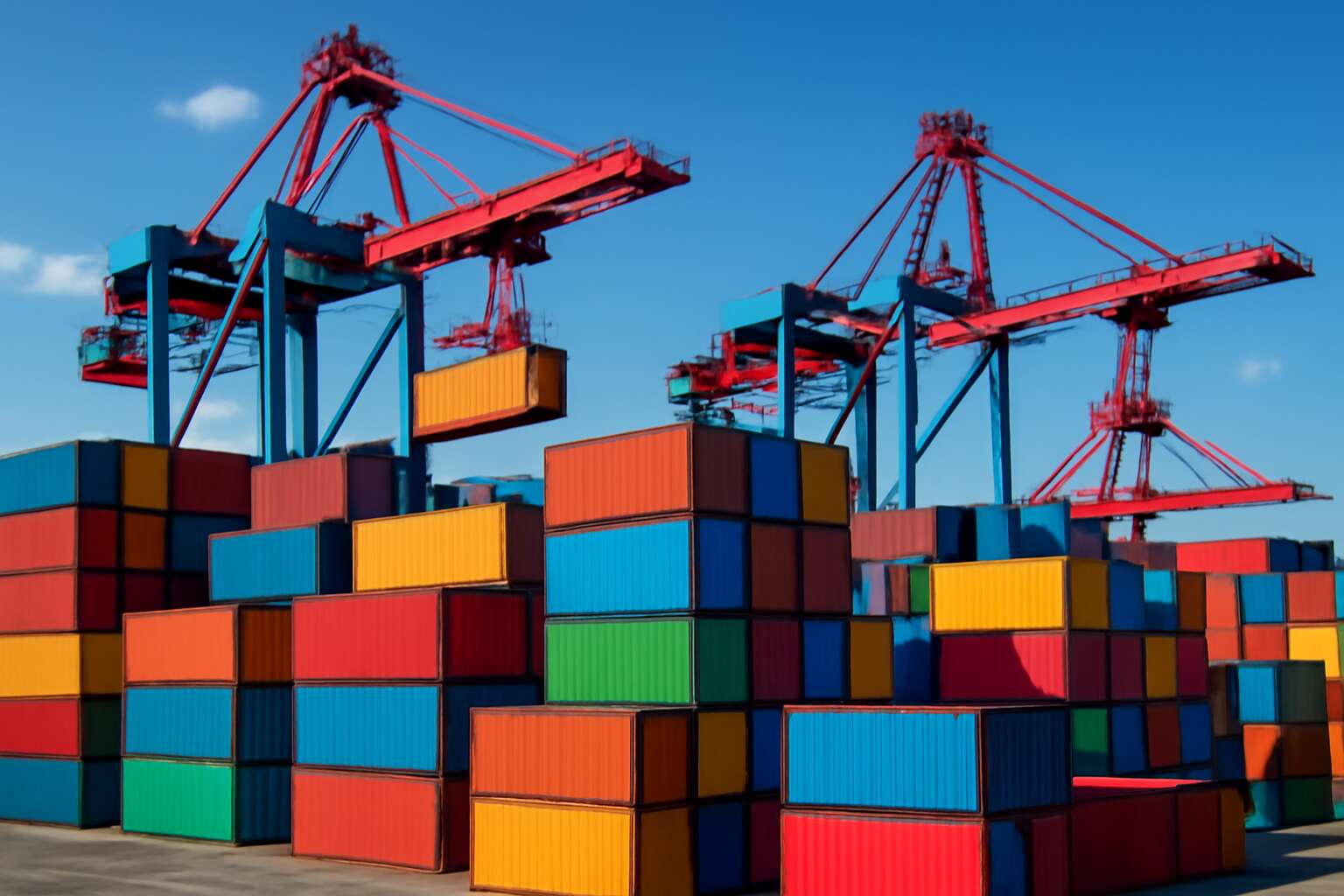
Shipping containers are the unsung heroes of global trade, quietly transporting over 90% of the world’s goods. Yet, their potential extends far beyond mere freight. When we talk about shipping containers investment, we’re stepping into a realm where these steel giants can be a lucrative asset class—if you know where to look. Imagine owning a piece of the infrastructure that keeps the world turning; it’s both a tangible and surprisingly resilient investment.
But what exactly are these shipping containers? Essentially, they are standardised, durable boxes designed to withstand the rigours of international transit. Their uniformity makes them easily stackable and transportable, which is part of the reason why they’ve become a staple in logistics. For investors, this means a dependable asset with a global footprint. As demand for shipping containers continues to grow, so does the opportunity to capitalise on shipping containers investment, especially as supply chain dynamics evolve.
To understand the full scope, consider these key attributes of shipping containers:
- High durability and longevity
- Standardised sizes, making them easily tradable
- Global demand driven by international trade
- Potential for diverse utilisation beyond shipping, such as storage or even modular housing
Types of Shipping Containers Suitable for Investment
In the vast ocean of global commerce, different vessels are required to navigate the shifting currents of demand. When it comes to shipping containers investment, understanding the types available is crucial. Not all containers are created equal; each variation is crafted to serve specific needs within the intricate web of international trade. The most common are the standard dry cargo containers, known for their robustness and versatility, ideal for a broad spectrum of goods.
Beyond these stalwarts, specialised containers emerge from the depths—refrigerated units (reefers), insulated to safeguard perishables; open-top containers, perfect for oversized cargo; and flat racks, which serve the transportation of heavy machinery or bulky items. The choice of container type can significantly influence the potential for profit, as each offers unique opportunities for diversification within your shipping containers investment portfolio. The key lies in matching the right container to the evolving demands of the global marketplace, turning a simple steel box into a vessel of wealth and resilience.
Why Consider Shipping Container Investment?
In the grand theatre of global commerce, shipping containers investment emerges as a compelling act—a strategic move amidst the relentless ebb and flow of international trade. It’s a venture that beckons with the promise of stability and growth, transforming humble steel boxes into anchors of financial resilience. With over 200 million containers traversing the world’s oceans annually, the scale of this industry is staggering, yet it remains ripe with opportunity for the discerning investor.
Understanding why shipping containers investment can be a lucrative pursuit involves recognising its unique blend of tangibility and potential for diversification. Unlike volatile stock markets, containers are tangible assets—compact, durable, and in high demand. This makes them not just containers but vessels of wealth, capable of weathering economic storms. As global trade expands and supply chains become more intricate, investing in shipping containers offers a path to tap into the heartbeat of commerce itself.
Benefits of Investing in Shipping Containers
High Liquidity and Flexibility
In a world where financial landscapes shift with the tide, the allure of shipping containers investment shines brighter than ever. With their inherent liquidity and unparalleled flexibility, these sturdy giants of global trade offer investors a rare blend of stability and adaptability. Unlike traditional assets that may be tethered by rigid timelines or market constraints, shipping containers can be swiftly repositioned or leased, creating a dynamic flow of income and capital.
This high liquidity means that investors can enter and exit the market with remarkable ease, turning assets into cash when opportunity knocks. The versatility of shipping containers — from storage solutions to innovative real estate ventures — enhances their appeal. In fact, some savvy investors have harnessed their flexibility to diversify portfolios effortlessly, capitalising on fluctuating demand across different industries and regions.
- Rapid market response
- Ease of asset liquidation
- Adaptability to various investment strategies
The enchanting promise of shipping containers investment lies in their ability to transform global commerce into a resilient and adaptable asset class, shimmering with potential amidst an ever-changing economic tableau.
Low Maintenance Costs
In the shadowy corridors of investment, few assets whisper promises as alluring as shipping containers. Among their many virtues, one stands out like a beacon in the fog: remarkably low maintenance costs. Unlike fragile structures that demand constant attention and costly repairs, these steel giants are forged for endurance. Their rugged exterior shields against the ravages of time and tide, turning maintenance into a mere afterthought rather than a perpetual burden.
For those who seek a resilient investment, shipping containers investment offers an almost ghostly ease of upkeep. This simplicity allows investors to focus on strategic repositioning and income generation, rather than the relentless dance of repairs. Moreover, their modular nature lends itself to creative ventures — from pop-up storage to innovative real estate projects — all while remaining cost-effective. It is this blend of durability and minimal upkeep that makes shipping containers a compelling choice in the darkly luminous landscape of modern investment.
Potential for Appreciation and Income
In the relentless pursuit of financial stability, few assets evoke the same sense of potential as shipping containers investment. Their capacity for appreciation is rooted in their adaptability and the surging demand for innovative storage and real estate solutions. Unlike traditional assets that often stagnate, shipping containers can increase in value as their utility expands into new markets, from eco-friendly housing to modular offices.
The income potential is equally compelling. With strategic management, these steel monsters transform into lucrative cash flows, especially in rental markets where demand for affordable, flexible space continues to rise. An often-overlooked advantage is the ability to leverage their inherent mobility, allowing investors to reposition assets swiftly in response to market trends. This dynamic element ensures that shipping containers investment retains relevance and profitability in an ever-changing economic landscape.
Diversification of Investment Portfolio
In an era where diversification can make or break a portfolio, investing in shipping containers offers a unique and often overlooked avenue for spreading risk and enhancing stability. Unlike traditional assets that may be tethered to sluggish markets or fluctuating interest rates, shipping containers investment introduces a dynamic element that can adapt swiftly to global economic shifts. Their intrinsic mobility allows investors to reposition assets with agility, capitalising on emerging trends or regional demands.
Moreover, the real beauty of shipping containers investment lies in its ability to complement existing holdings—be it real estate, equities, or commodities—by adding a tangible, scalable asset class. This diversification not only spreads exposure but also introduces a layer of resilience against market volatility. As global trade expands and innovative uses for containers emerge—think eco-friendly housing or pop-up retail spaces—the potential for growth and income becomes increasingly compelling.
Market Trends and Growth Potential
Global Trade and Shipping Industry Outlook
The global trade landscape is experiencing an unprecedented surge, with freight volumes reaching record highs year after year. This persistent growth signals a robust outlook for the shipping containers investment market, buoyed by the relentless expansion of international commerce. As supply chains become increasingly intricate, the demand for reliable, cost-effective shipping solutions continues to rise, positioning shipping containers as a strategic asset class.
Market trends reveal a shift towards specialised containers designed for niche markets, including refrigerated and high-security variants. This diversification enhances the growth potential within the shipping containers investment sphere, offering multiple avenues for profit. Moreover, with global trade corridors expanding into emerging markets, the outlook for sustained demand remains optimistic.
- Increased globalisation driving container utilisation
- Technological advancements improving container tracking and security
- Environmental regulations prompting innovation in container design
All these factors converge to reinforce the compelling narrative behind shipping containers investment—an opportunity rooted in the dynamic and ever-evolving world of global trade.
Emerging Markets and Opportunities
Amidst the relentless march of global commerce, the landscape of shipping containers investment reveals a tapestry woven with both opportunity and intrigue. Emerging markets, in particular, pulse with an almost predatory hunger for expansion, creating fertile ground for those willing to delve into this shadowy realm of trade.
Market trends underscore a metamorphosis towards specialised containers—refrigerated units for perishables, high-security variants for precious commodities—each presenting a unique portal for profit. As international corridors stretch into uncharted territories, the potential to capitalise on burgeoning demand becomes ever more tantalising.
Consider these avenues for growth:
- Expanding infrastructure in developing economies
- Technological innovations enhancing container security and tracking
- Environmental mandates driving eco-friendly design evolution
In this chiaroscuro world of trade, shipping containers investment offers a paradoxical promise—an unyielding anchor in a fluid, unpredictable sea.
Impact of Economic Factors on Shipping Container Prices
In the unpredictable world of global trade, one thing remains clear: the market for shipping containers investment is anything but static. Prices are influenced by a complex web of economic factors that can turn the tide overnight. When economies grow robustly, demand for freight transport surges, pushing container prices upward—think of it as a high-stakes game of economic dominoes. Conversely, downturns can lead to an oversupply, dragging prices down and creating intriguing buying opportunities for savvy investors.
Moreover, fluctuations in fuel costs, currency exchange rates, and international tariffs also play pivotal roles in shaping the shipping container market. As global trade corridors expand into emerging markets, the demand for specialised containers—such as refrigerated units for perishables or high-security variants—becomes more pronounced. This evolving landscape underscores the importance of understanding market trends and economic indicators when considering shipping containers investment. After all, timing and insight can transform a simple container purchase into a lucrative venture.
Technological Innovations in Shipping
Market trends within the shipping containers investment landscape are shifting at an unprecedented pace, driven by rapid technological innovations and evolving global trade dynamics. The integration of digital tracking systems and automation has revolutionised the way containers are managed, enhancing efficiency and reducing operational costs. These advancements open new avenues for investors seeking to capitalise on cutting-edge developments in the shipping industry.
Furthermore, the growth potential of this sector is compelling. As international trade continues to expand—particularly into emerging markets—the demand for specialised containers, such as refrigerated units for perishable goods or high-security containers for valuable cargo, rises exponentially. This expanding need underscores the importance of recognising emerging trends early, as they often signal lucrative opportunities for those involved in shipping containers investment.
To better understand these shifts, consider the following key drivers of growth:
- Technological advancements that optimise container logistics and tracking
- Increasing trade volumes in developing economies
- Rising demand for specialised and niche container types
- Enhanced regulatory standards promoting container safety and security
Types of Shipping Container Investments
Physical Container Purchase and Rental
In the shadowed corridors of commerce, the allure of shipping containers investment whispers promises of tangible asset security. Among the myriad avenues, two paths emerge—physical container purchase and rental—each offering a unique portal into this enigmatic market.
A direct purchase of shipping containers provides a steadfast, corporeal stake in the global shipping industry. These steel fortresses can be stored, leased, or sold, embodying both potential appreciation and income streams. Conversely, container rental transforms these hulking structures into mobile assets that generate passive revenue with minimal fuss. This approach offers unparalleled flexibility, allowing investors to adapt swiftly to market fluctuations.
For those seeking a more structured approach, an ordered list of considerations reveals the intricacies of each method:
- Initial capital outlay
- Maintenance and storage costs
- Market demand for leasing
- Resale value and depreciation
Whether one opts for the tangible weight of ownership or the transient ease of rental, shipping containers investment beckons with a mysterious promise—an enduring anchor in the shifting tides of global trade.
Container Leasing and Storage Solutions
When exploring the diverse landscape of shipping containers investment, two prominent avenues shine: container leasing and storage solutions. Each offers distinct advantages, tailored to different risk appetites and strategic goals. Container leasing, for example, transforms these steel giants into mobile assets that generate steady passive income, especially in times of fluctuating global trade. Meanwhile, storage solutions harness the unyielding durability of shipping containers, turning them into versatile units for secure warehousing or infrastructure projects.
For investors seeking a dynamic approach, understanding the nuances of these options is essential. Consider the following:
- Market demand for leasing, which fluctuates with global trade volumes and economic cycles.
- Storage requirements, which depend on regional infrastructure needs and logistical trends.
- Operational costs, including maintenance, security, and transportation.
Both strategies serve to diversify a shipping containers investment portfolio, providing resilience and flexibility amid an unpredictable economic climate. Whether leveraging the mobility of leasing or the stability of storage, these approaches unlock unique opportunities in the world of shipping containers investment, positioning investors at the nexus of trade and innovation.
Investing Through Shipping Container Funds and REITs
Investing in shipping containers opens a portal to a realm of diverse opportunities, especially when considering the various investment vehicles available. One such avenue is investing through shipping container funds, which pool capital to acquire a broad spectrum of container assets, mitigating risk through diversification. These funds often appeal to those seeking a more hands-off approach, entrusting professional managers with the intricate task of navigating global trade ebbs and flows.
Meanwhile, Real Estate Investment Trusts (REITs) specialising in shipping containers offer another compelling option. These REITs typically focus on leasing containers to major logistics firms or maintaining a fleet of storage units, providing investors with a steady stream of income.
- Access to institutional-grade investments
- Reduced operational responsibilities
- Exposure to the resilient shipping and logistics sector
The allure lies in the ease of entry combined with the potential for appreciation driven by global trade dynamics and infrastructural growth.
Digital and Tokenized Container Assets
In the modern era of global commerce, innovative approaches to shipping containers investment are transforming the landscape of alternative assets. Digital and tokenized container assets stand at the forefront of this evolution, offering a seamless bridge between traditional shipping and cutting-edge blockchain technology. These digital assets enable investors to participate in the shipping industry without the burdens of physical management, opening doors to a new realm of accessibility and liquidity.
Tokenized shipping containers allow for fractional ownership, making it easier for investors to diversify their portfolios while maintaining liquidity. Unlike conventional investments, these digital containers can be bought and sold with unprecedented speed and transparency, thanks to decentralised ledger technology. This emerging market not only enhances the ease of entry but also introduces a layer of security and decentralisation that was previously unattainable in the world of shipping containers investment.
- Fractional ownership with lower capital requirements
- Enhanced liquidity and transferability
- Greater transparency and security through blockchain technology
As the industry continues to evolve, digital and tokenized container assets are poised to redefine how investors approach shipping containers investment, blending tradition with innovation in a dance as old as trade itself—yet as new as the digital dawn.
How to Start Investing in Shipping Containers
Market Research and Due Diligence
In the shadowy corridors of commerce, the allure of shipping containers investment beckons like a siren song—an enticing whisper of potential hidden within the vast, tumultuous seas of global trade. To navigate this mysterious realm, thorough market research and due diligence are paramount. Dive deep into industry reports, trade statistics, and shipping industry forecasts to uncover patterns that foreshadow future value.
Understanding the intricacies of supply chain dynamics and economic indicators can illuminate the shadows cast over shipping container prices. Consider examining:
- Historical price fluctuations
- Global trade volume trends
- Emerging markets’ impact on container demand
Such insights serve as a lantern in the darkness, guiding your decisions through the fog of uncertainty. In this pursuit, one must not only observe the surface but also peer into the underlying currents that influence the shipping containers investment landscape. Only then can one truly grasp the eerie harmony between risk and reward that defines this arcane market.
Choosing the Right Investment Approach
Embarking upon the shadowed path of shipping containers investment demands a discerning eye and an instinct for the unseen currents that shape this arcane market. The first step in this enigmatic journey is choosing the right investment approach—one that aligns with your appetite for risk and your desire for potential rewards.
For some, physical container purchase offers a tangible grasp of the market’s heartbeat; for others, leasing or storage solutions whisper promises of steady income. Alternatively, investing through shipping container funds or REITs can provide a more secluded avenue, shrouded in financial anonymity yet rich with opportunity.
A careful evaluation of your financial landscape—considering liquidity, market volatility, and the spectral influence of global trade—is essential. Remember, in the realm of shipping containers investment, every choice echoes in the vast corridors of commerce, where the line between fortune and folly can be razor-thin.
Pricing and Valuation Metrics
Embarking on the voyage of shipping containers investment requires a solid understanding of pricing and valuation metrics—these are the compass and map guiding your decisions through uncharted waters. Unlike traditional assets, the worth of a shipping container hinges on factors that fluctuate with global trade rhythms, technological advancements, and market demand. Recognising these subtle shifts can mean the difference between a lucrative venture and a financial mirage.
One fundamental metric is the *depreciation rate*, which reflects how a container’s value diminishes over time due to wear and tear. Equally crucial is the *residual value*, representing the container’s worth at the end of its useful life. To gauge the current market, investors often track *price indices* specific to shipping containers, which serve as barometers for fluctuations in container prices across various regions and types. Understanding these valuation metrics enables investors to identify prime opportunities and avoid overpaying in a volatile landscape.
For a clearer picture, consider these key parameters when evaluating a shipping containers investment:
- Market demand and supply dynamics
- Age and condition of the container
- Type of container—standard, refrigerated, or specialised
- Global trade trends influencing container utilisation
By meticulously analysing these elements, investors can unlock the hidden potential within this arcane market, turning the shadows of uncertainty into opportunities for growth.
Legal and Regulatory Considerations
Starting your journey into shipping containers investment involves navigating a complex web of legal and regulatory considerations. First, it’s vital to understand the local and international laws that govern transport, ownership, and leasing of shipping containers. These regulations can vary significantly across jurisdictions, influencing your compliance obligations and potential liabilities.
Additionally, you should be aware of customs requirements and trade tariffs that may impact container utilisation and profit margins. Engaging with a legal professional specialising in maritime law can help clarify these nuances and ensure your investment remains above board.
A practical step is to verify the title and ownership rights of containers, which are often secured through proper documentation and registration. This diligence prevents legal disputes and safeguards your assets.
For those seriously considering shipping containers investment, it’s wise to explore options such as container leasing agreements or partnerships with established operators. These often come with their own legal frameworks that you need to scrutinise carefully. Ultimately, understanding the legal landscape is crucial to turning this arcane market into a sustainable source of income.
Partnering with Industry Experts
Embarking on your journey into shipping containers investment is a venture that promises both intrigue and reward. The key to transforming this seemingly arcane market into a lucrative enterprise lies in partnering with industry experts who possess a treasure trove of insight and experience.
Collaborating with specialists—be they maritime legal advisors, logistics consultants, or seasoned container traders—can illuminate the often-complex terrain of ownership, leasing, and regulatory compliance. Their expertise helps you navigate fluctuating market conditions, ensuring your investment remains resilient amidst global trade tides.
To truly harness the potential of shipping containers investment, consider establishing strategic alliances or joint ventures with established operators. These partnerships often come with bespoke legal frameworks and operational support that amplify your prospects of success. Enlisting the guidance of professionals not only safeguards your assets but also fosters a deeper understanding of market dynamics, turning your investment into a thriving chapter in the global shipping story.
Risks and Challenges of Shipping Container Investment
Market Volatility and Demand Fluctuations
In the dynamic realm of shipping containers investment, one must tread carefully through a landscape riddled with unpredictability. Market volatility often strikes like the sudden gusts of a tempest, unsettling even the most seasoned investors. Fluctuations in global trade, geopolitical tensions, and unforeseen economic shocks can swiftly alter the value of shipping containers, transforming what once seemed a stable asset into a rollercoaster ride.
Demand fluctuations further complicate this arena. An abrupt decline in international shipping activity or shifts in manufacturing hubs can render an investment less lucrative than anticipated. For instance, during global downturns, the surplus of containers may flood the market, causing prices to plummet and liquidity to diminish. Such rapid changes underscore the importance of vigilant market research and a keen understanding of macroeconomic trends.
- Volatility driven by geopolitical and economic upheavals
- Demand swings tied to global trade patterns
- Impact of technological innovations on container utilisation
Navigating these turbulent waters requires not just patience but a strategic foresight that anticipates the ebb and flow of the shipping industry’s tides.
Storage and Maintenance Costs
Amid the shadows of prosperity lies an often-overlooked spectre: the costs of storage and maintenance. For those embarking on a journey into shipping containers investment, these hidden expenses can erode potential gains if left unchecked. The labyrinthine costs of securing a safe haven for your containers—whether in bonded warehouses or outdoor yards—can swiftly accumulate, transforming a promising venture into a financial quagmire.
Furthermore, the weight of neglect can be devastating. Corrosion, damage from the elements, and the relentless march of time threaten to diminish the value of your assets. Regular inspections and repairs are not merely recommended—they are imperative. Ignoring these duties may lead to structural failures, rendering containers unsalvageable and sinking your investment into oblivion.
Consider this: the costs of storage and upkeep may often overshadow initial purchase prices, especially when scaled across a substantial fleet. It is a delicate dance—balancing the allure of lucrative returns against the shadows of ongoing costs—reminding investors that even in the realm of shipping containers investment, vigilance is the only true safeguard against the creeping menace of depreciation and operational burdens.
Regulatory and Compliance Risks
Navigating the labyrinth of shipping containers investment reveals a landscape fraught with intricate regulatory and compliance risks. Governments and international bodies impose a web of standards designed to ensure safety, environmental protection, and trade integrity. For investors, this means constant vigilance; regulations can shift swiftly, catching the unprepared off guard. Failure to adhere to these rules isn’t merely a bureaucratic inconvenience—it can lead to hefty fines, legal disputes, and even the seizure of assets.
Moreover, the global nature of shipping containers investment exposes investors to geopolitical uncertainties and trade policy fluctuations. Tariffs, sanctions, and changing customs procedures can dramatically impact the profitability of container assets. An overlooked compliance failure or misinterpretation of regional regulations can swiftly turn a promising venture into a costly ordeal. In the end, success in the realm of shipping containers investment depends on an acute awareness of these complex challenges—where diligent legal navigation becomes as vital as physical maintenance or market timing.
Ownership and Title Security
Ownership of shipping containers investment carries inherent risks that demand careful navigation. One of the foremost concerns is the security of titles—misplaced or disputed ownership can turn an otherwise promising asset into a legal quagmire. Such complications may delay transactions or even lead to the loss of the container, especially when dealing with international markets where documentation standards vary widely.
Furthermore, the industry faces ongoing challenges with risks like theft, damage, and loss during transit or storage. These vulnerabilities underscore the importance of comprehensive insurance and strict contractual safeguards. An overlooked detail in title security can have domino effects, jeopardising the entire investment’s profitability and stability.
- Ensuring clear and verifiable ownership documentation
- Implementing robust security measures during storage and transit
- Regularly monitoring legal updates affecting shipping container ownership rights
In the realm of shipping containers investment, vigilance isn’t just advised—it’s essential. Protecting your assets from title disputes and security breaches can make the difference between a thriving investment portfolio and a costly oversight. The journey through this industry is as much about safeguarding your holdings as it is about capturing market opportunities—an adventure where meticulous attention to title security is paramount.
Environmental and Sustainability Factors
Environmental and sustainability factors present a formidable set of risks in the realm of shipping containers investment. As the world pivots towards greener horizons, the industry’s environmental footprint cannot be ignored. Increasingly stringent regulations on emissions and waste management mean that investors must remain vigilant to evolving standards, which can impact the value and legality of certain containers. Non-compliance or outdated practices may lead to hefty fines or even the outright confiscation of assets.
Moreover, the push for sustainability has spurred innovation—such as eco-friendly materials and energy-efficient modifications—that can both enhance and complicate investments. An overlooked environmental concern is the potential for containers to become obsolete as greener shipping options gain preference. This creates a delicate balancing act: while the market offers lucrative opportunities, environmental and sustainability risks demand thorough assessment to avoid stranded assets or reputational damage. Navigating these challenges with care ensures that shipping containers investment remains both profitable and ethically sound in today’s eco-conscious climate.
Maximizing Returns from Shipping Container Investments
Strategic Portfolio Diversification
In the complex realm of shipping containers investment, strategic portfolio diversification is not merely advisable — it’s essential. The global trade industry’s unpredictable rhythms demand an approach that balances risk with opportunity, amplifying potential returns. By spreading investments across various container types, geographic markets, and leasing models, investors can insulate themselves from sector-specific downturns and capitalise on emerging trends.
Consider integrating both physical container purchase and rental strategies, which can yield consistent income streams while offering appreciation potential. Diversification might also include exploring container leasing and storage solutions tailored to different industry demands. Such tactical moves can turn a seemingly niche asset class into a resilient pillar within a broader investment portfolio. When executed thoughtfully, shipping containers investment transforms from a speculative venture into a calculated manoeuvre — a vital step towards maximising returns in a volatile global economy.
Timing and Market Entry Strategies
Timing is everything in the realm of shipping containers investment. The market’s ebb and flow are dictated by global trade rhythms, economic cycles, and geopolitical shifts. Recognising the optimal entry point can dramatically enhance returns.
Market entry strategies hinge on understanding seasonal demand spikes — for example, peak shipping periods often present opportunities to acquire containers at more favourable prices. Monitoring industry indicators, such as freight rate trends and port activity levels, allows savvy investors to seize opportunities before prices surge or dip.
A nuanced approach involves diversifying entry points—consider staggered purchases or leasing contracts aligned with market forecasts. This method helps mitigate risks associated with sudden downturns, while positioning your portfolio to capitalise on upward momentum. By blending timing with strategic market entry, investors can unlock the full potential of their shipping containers investment, transforming timing from a gamble into a calculated advantage.
Value-Add Opportunities
Maximising returns from shipping containers investment isn’t just about buying low and selling high. It’s about uncovering value-add opportunities that can significantly boost profitability. For example, repurposing containers into mobile offices or pop-up retail units can generate additional income streams while diversifying your portfolio. Such innovative uses tap into the growing demand for flexible, customisable shipping container solutions.
Furthermore, strategic leasing can lock in steady cash flow, especially during periods of fluctuating market demand. An effective approach involves monitoring industry signals—like freight rate trends and port activity—to time your investments optimally. By aligning acquisition with seasonal demand spikes, investors can secure containers at more favourable prices, ready to capitalise on rising shipping needs.
Ultimately, a keen eye for emerging opportunities—whether through technology-driven container management systems or eco-friendly upgrades—can turn a standard shipping container investment into a lucrative venture. The real advantage lies in recognising these value-add opportunities early, transforming a straightforward asset into a dynamic, income-generating tool.
Tax Benefits and Incentives
Maximising returns from shipping containers investment isn’t solely about market timing or choosing the right container type. Tax benefits and government incentives can play a pivotal role in boosting overall profitability. Many countries offer tax reliefs or depreciation schemes that make investing in shipping containers even more attractive. These financial incentives reduce the initial capital outlay and improve cash flow, turning a straightforward asset into a more lucrative venture.
Additionally, leveraging tax advantages can enhance your investment’s net returns. For example, some jurisdictions allow accelerated depreciation or capital allowances on container assets, which means you can write off a significant portion of the investment cost early in the ownership period. This approach not only improves your immediate tax position but also frees up capital for further diversification or reinvestment.
Understanding the available incentives requires diligent market research and collaboration with industry professionals. Whether through direct tax deductions or specialised leasing schemes, exploring these benefits can transform a standard shipping containers investment into a strategic financial move. Overall, tapping into tax benefits and incentives ensures your investment works smarter, not just harder, in the evolving landscape of global trade and shipping industry trends.
Future Outlook and Trends in Shipping Container Investment
Innovations in Container Design and Use
The horizon of shipping container investment is shimmering with innovative prospects, driven by the relentless march of technological advancement and a profound shift in global trade paradigms. As the demand for smarter, more adaptable containers accelerates, future trends suggest a transformative era where container design becomes an intricate tapestry of sustainability, durability, and digital connectivity. These advancements are not merely superficial; they redefine the very essence of container utility, creating opportunities for investors eager to capitalise on emerging markets and eco-conscious initiatives.
One of the most compelling trends is the integration of smart technology into container design, enabling real-time tracking, climate control, and enhanced security—features that appeal to both owners and lessees. Additionally, innovations such as modular containers and multi-purpose units are poised to optimise space utilisation and operational efficiency, thereby amplifying the potential for appreciation and income within the shipping containers investment landscape.
- Enhanced digital platforms facilitate seamless trading and leasing of container assets.
- Sustainable and eco-friendly materials are increasingly being adopted, aligning with global environmental objectives.
- Modular and versatile container designs cater to diverse commercial and residential applications, broadening investment horizons.
As the industry gravitates towards these innovations, the future of shipping containers investment promises not just stability but a dynamic evolution—fuelled by technological ingenuity and a relentless pursuit of sustainability. This evolving landscape invites investors to explore new avenues where tradition intersects with cutting-edge solutions, unlocking untapped potential in the ever-expanding global trade ecosystem.
Green and Sustainable Shipments
The future of shipping containers investment is increasingly intertwined with sustainability and cutting-edge technology. As global trade continues to expand, the push towards greener logistics solutions is reshaping the industry’s landscape. Innovative container designs now prioritise eco-friendly materials and energy-efficient features, aligning with international environmental objectives. This shift not only supports corporate social responsibility but also enhances the appeal of shipping containers as a sustainable investment choice.
Emerging trends suggest that digital connectivity will become a cornerstone of container management, enabling real-time tracking, climate control, and security enhancements. These advancements promise to optimise operational efficiency and maximise return on investment. For investors, this evolution opens doors to diversifying portfolios through modernised, environmentally conscious assets that meet the demands of a rapidly changing market. As the industry navigates toward these innovations, the potential for appreciation and income within shipping containers investment remains promising, driven by a relentless pursuit of sustainability and technological ingenuity.
Integration of Digital Technologies
The horizon of shipping containers investment is shimmering with technological innovation, promising a future where digital integration redefines industry standards. As global trade accelerates, the adoption of digital technologies is no longer optional but essential. Real-time tracking, climate control, and enhanced security are becoming standard features, making modernised shipping containers more attractive to savvy investors.
Emerging trends indicate that the integration of digital assets will only deepen, fostering transparency and operational efficiency. For instance, blockchain-based container management systems are revolutionising how assets are monitored and traded across borders. This evolution not only boosts profitability but also aligns with the increasing demand for sustainable and technologically advanced logistics solutions.
- Digital connectivity enables instant access to container data, reducing downtime and streamlining maintenance schedules.
- Tokenisation of container assets opens new avenues for fractional ownership and liquidity.
As this digital revolution unfolds, the potential for appreciation within shipping containers investment is heightened. Investors who embrace these innovations position themselves at the forefront of a shift that promises resilience amid market volatility and the growing appetite for environmentally conscious assets. The integration of cutting-edge technology into shipping containers heralds a promising era for those seeking to diversify their portfolios with sustainable, high-tech assets that are primed for long-term growth.
Predicted Market Growth and Opportunities
As the shadows of global commerce stretch ever further into the future, the market for shipping containers investment is poised on the brink of a renaissance driven by disruptive trends. Industry analysts forecast a compound annual growth rate that whispers of exponential expansion, propelled by the relentless march of technological innovation and sustainable logistics. The horizon gleams with promises of smarter, more resilient assets—where digital integration transforms ordinary containers into high-tech fortresses of efficiency.
Emerging market forces and evolving consumer demands forge new pathways for investors seeking lasting relevance. The advent of blockchain-based management systems, coupled with the tokenisation of shipping containers, unveils a labyrinth of opportunity—each container a vessel of modernity and potential. These innovations not only elevate the value of shipping containers investment but also inscribe a narrative of transparency and environmental consciousness into the industry’s future. Amidst the shifting tides, those who recognise the symphony of these trends can navigate the murky waters of market volatility with a steadier hand.
In this unfolding tableau, three key trends cast long shadows and bright lights:
- Digital assets and blockchain technology are revolutionising how assets are monitored, traded, and secured—making investment in shipping containers more liquid and accessible than ever before.
- Green and sustainable shipping solutions increasingly dominate industry discourse, aligning with the global urgency for environmentally responsible logistics.
- The integration of advanced design and climate-controlled features enhances the desirability of shipping containers, transforming them into versatile assets capable of appreciating in both value and utility.
In this darkened landscape of uncertainty, the future of shipping containers investment glimmers with potential—an allure for those perceptive enough to grasp the shifting shadows and step into a realm where innovation and opportunity collide in a dance as old as commerce itself. The industry’s evolution whispers of resilience, long-term growth, and a new era where high-tech assets serve as both guardians and gateways of wealth.


0 Comments