
Understanding Shipping Container Dimensions
Standard Sizes Overview
Shipping containers sizes might seem straightforward, but beneath that metal exterior lies a surprisingly diverse world of dimensions that can make even seasoned logisticians do a double take. The standard sizes are the backbone of global trade, ensuring that cargo fits snugly and efficiently into the vast network of transport routes. According to industry stats, over 90% of world trade is carried by containers — no small feat for something that comes in just a handful of sizes!
Understanding these shipping containers sizes is crucial for optimising space, reducing costs, and avoiding the dreaded “Oops, it won’t fit” moment. Typically, you’ll find two primary categories: standard dry containers and specialised options like refrigerated or open-top models. The most common dimensions are the 20-foot and 40-foot variants, which have become the universal benchmarks for shipping logistics.
- 20-foot containers, often called “twenty-footers,” are about 6.1 metres long, 2.44 metres wide, and 2.59 metres high.
- 40-foot containers, or “forty-footers,” double the length but maintain similar width and height, offering more volume for bulkier cargo.
By mastering these shipping containers sizes, companies can navigate the logistical labyrinth with confidence, ensuring their cargo arrives on time and intact. After all, in the world of global trade, size does matter — especially when it’s standardised for everyone’s convenience.
Why Container Sizes Matter
Understanding shipping container sizes is not just a matter of measurement; it’s a journey into the very fabric of global commerce. Each dimension encapsulates a promise—of efficiency, precision, and the relentless pursuit of optimisation. When you grasp the nuances behind shipping containers sizes, you unlock a perspective that transforms logistical complexity into strategic clarity.
The dimensions are more than numbers—they reflect a delicate balance between volume, weight capacity, and transport logistics. For instance, the 20-foot and 40-foot shipping containers sizes serve as the pillars of international trade, shaping how goods are packaged and moved across borders. Recognising the significance of these dimensions allows for a deeper appreciation of the logistical choreography involved in global trade.
To truly comprehend why container sizes matter, consider the following factors:
- Maximising space efficiency in transport vessels and storage facilities
- Reducing costs by optimising load capacity without risking overloading or damage
- Ensuring compatibility across the entire supply chain, from ports to warehouses
By delving into the intricacies of shipping containers sizes, one begins to see the subtle artistry involved in making global trade seamless and reliable—an intricate dance of dimensions that silently underpins our interconnected world.
Common Measurement Units
In the shadowy realm of global trade, understanding shipping containers sizes is akin to deciphering an ancient cipher—each measurement whispering secrets of logistical mastery. The dimensions of these colossal metal enigmas are expressed through common measurement units that reveal much about their purpose and potential. Most notably, feet and metres serve as the primary language of size, translating the vastness of their capacity into tangible figures.
For those seeking clarity, the following units are most frequently employed when discussing shipping containers sizes:
- Feet — the traditional measure, used to describe the length of standard containers like the 20-foot and 40-foot models.
- Metres — increasingly common in international contexts, offering a precise metric perspective on container dimensions.
- Cubic metres — a volumetric measure that captures the internal capacity, critical when maximising space efficiency.
By mastering these common measurement units, one begins to see the intricate dance of dimensions that underpins the silent, relentless flow of commerce—each container a vessel of possibility, defined by its precise measurements and potential. It’s a language of size that transforms the abstract into the tangible—an essential cipher in the dark arts of logistics.
Standard Shipping Container Sizes
20-Foot Containers – Array
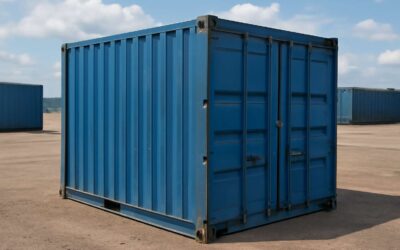
In the shadowed realm of global trade, the 20-foot shipping container stands as a silent titan—compact yet formidable. Its dimensions carve out a space both familiar and mysterious, measuring approximately 6.1 metres in length, 2.44 metres in width, and 2.59 metres in height. This size, often regarded as the standard, has become the backbone of maritime logistics, a vessel of endless stories wrapped in steel and shadow.
Its versatility is unmatched, capable of harbouring everything from delicate artefacts to rugged machinery. The 20-foot shipping container is often paired with its larger sibling—the 40-foot container—forming an unbreakable alliance that drives the pulse of international commerce. For those seeking efficiency and ease of transport, this size offers a balance that’s as reliable as the ticking of a clock in a forgotten clocktower.
Within the realm of shipping containers sizes, the 20-foot container remains the quintessential choice, embodying both the promise and the peril of vast, unseen worlds stored within. Its dimensions are etched into the very fabric of global trade, a testament to humanity’s relentless pursuit of connection across the abyss of the oceans.
40-Foot Containers – Array
Standing shoulder to shoulder with its 20-foot cousin, the 40-foot shipping container is a true colossus of the maritime world. Its elongated form stretches approximately 12.2 metres in length, offering an expansive canvas for cargo that demands both space and stability. This size has become a symbol of efficiency and strength, a vital cog in the machinery of global trade. As one of the most common shipping containers sizes, it effortlessly balances volume with manoeuvrability, making it an ideal choice for transporting bulky goods, machinery, and large quantities of materials.
The versatility of the 40-foot container is remarkable. It’s often utilised in conjunction with smaller containers to optimise shipping logistics, forming an assembly that can accommodate diverse cargo types. Its robust construction and standardised dimensions facilitate seamless stacking and container handling, minimising delays and costs. When considering shipping containers sizes, the 40-foot version remains a stalwart—delivering reliability and capacity in a world that never stops moving.
- Length: approximately 12.2 metres
- Width: around 2.44 metres
- Height: typically 2.59 metres (standard) or 2.90 metres (high cube)
Whether shipping goods across continents or storing inventory on-site, the 40-foot shipping container exemplifies a harmonious blend of design and purpose. It embodies the human desire to transcend borders and forge connections—its very size echoing a commitment to expansive, yet organised, commerce. In the grand tapestry of shipping containers sizes, the 40-foot container remains an enduring symbol of enterprise and ingenuity.
Specialized Container Sizes and Variants
45-Foot Containers – Array
When exploring the realm of shipping containers sizes, the 45-foot container stands out as a specialised variant designed for unique logistical demands. Unlike its more common counterparts, this size offers a rare blend of capacity and manoeuvrability, making it ideal for specific industries seeking to optimise space without sacrificing ease of handling. With a length of approximately 13.7 metres, it provides an expanded volume that can accommodate bulky or high-volume cargo, yet remains manageable within standard port infrastructures.
In addition to its impressive dimensions, the 45-foot container often features options tailored to specialised needs. These include high-cube variants, which offer increased height for lighter, voluminous goods, and refrigerated versions for temperature-sensitive freight. The versatility of these containers opens up a spectrum of possibilities, from oversized industrial equipment to delicate perishables. For those navigating complex supply chains, understanding the nuances of shipping containers sizes—particularly the 45-foot options—can be a game changer.
- High-cube 45-foot containers for additional storage capacity
- Refrigerated (reefer) variants for perishable cargo
- Custom modifications for specialised transportation needs
What sets these containers apart is their ability to seamlessly blend specialised features with the standard shipping container framework, offering a tailored approach to freight logistics. As shipping demands evolve, so too does the importance of understanding the array of container sizes—especially those as versatile as the 45-foot options. The right choice can unlock efficiency and expand horizons in global trade!
53-Foot Containers – Array
Specialised container sizes and variants like the 53-foot container are reshaping the landscape of global freight. These larger containers are designed to maximise cargo capacity while maintaining compatibility with standard handling equipment. The 53-foot shipping containers sizes, in particular, are gaining popularity in North America, offering an impressive volume of around 38 cubic metres. This makes them ideal for transporting bulk goods, retail inventory, or oversized equipment.
- Enhanced storage capacity for high-volume freight
- Custom modifications such as insulated or open-top variants
- Specialised handling features for oversized or fragile cargo
These variants are not just bigger; they are smarter. They provide a tailored approach to freight logistics, reducing the need for multiple containers and streamlining supply chains. As the demand for specialised shipping container sizes grows, understanding these options becomes crucial for businesses seeking to optimise their logistics efficiency.
Other Variants – Array
In the realm of global logistics, specialized container sizes and variants are transforming the way goods move across vast distances. These tailored solutions not only optimise space but also cater to unique cargo needs that standard sizes simply cannot meet. For instance, open-top containers allow for oversized or awkwardly shaped freight to be loaded with ease, bypassing height restrictions that often hinder traditional containers.
Insulated and refrigerated variants further exemplify the versatility within shipping containers sizes. These specialised containers are vital for perishable goods or fragile items requiring temperature control, ensuring freshness and integrity upon arrival. Additionally, customised modifications such as side-opening doors or reinforced floors provide enhanced handling for niche industries, from construction equipment to delicate electronics.
Understanding these variants is crucial for businesses aiming to streamline their logistics. Whether transporting bulky machinery or sensitive cargo, selecting the right container size and variant can make all the difference. As the landscape of freight continues to evolve, the array of specialised shipping containers offers a flexible, efficient alternative to traditional options — a testament to the ingenuity driving modern global trade.
Factors Influencing Container Size Selection
Type of Cargo
Choosing the right shipping containers sizes isn’t just about fitting your cargo; it’s about unlocking a world of logistical possibilities. The type of cargo—be it delicate electronics or bulky machinery—directly influences container selection. Heavy, oversized items demand sturdier, specialised containers, while smaller consignments might fit snugly into standard dimensions. The challenge lies in balancing capacity with efficiency, ensuring your shipment isn’t just secure but optimised for transit.
Factors like volume, weight, and fragility play a pivotal role in the decision-making process. For example, fragile goods require climate-controlled containers, while dense materials might need reinforced options. Sometimes, a simple shift in container size can transform the entire shipping process, offering smoother handling and reduced costs. When selecting from the myriad of shipping containers sizes, understanding these nuances ensures your cargo arrives intact and on time.
Transportation Method
Choosing the right shipping containers sizes isn’t just about capacity; it’s a strategic decision influenced heavily by the transportation method. Different modes of transit demand varying container dimensions to optimise space and minimise costs. For example, sea freight often utilises standard 20- and 40-foot containers, while air cargo requires specialised small units designed for swift handling and reduced weight.
When selecting container sizes, consider factors like access points, route restrictions, and handling equipment. Some transport methods may limit container height or width, making certain sizes impractical. In road freight, for instance, 53-foot containers are common for long-haul trucking, but they might be too large for urban delivery routes.
Understanding these nuances ensures your cargo fits seamlessly into the chosen transport type. The right shipping containers sizes can streamline operations, cut costs, and safeguard your goods during transit. It’s a balancing act—matching container dimensions with your logistical needs is vital for efficiency and security.
Storage and Handling Requirements
Choosing the right shipping containers sizes isn’t just a matter of volume; it’s a crucial factor influenced by storage and handling requirements. The type of cargo, its fragility, and how it’s loaded can significantly impact which container size is most suitable. For delicate or bulky items, larger containers might need specialised handling equipment or specific access points. Conversely, smaller or lightweight cargo may require containers that are easier to load and unload efficiently.
Accessibility plays a vital role. Narrow doorways, limited yard space, or low-clearance bridges can restrict container options. For instance, some facilities may not accommodate 53-foot containers, making smaller sizes more practical. Additionally, the nature of the goods—whether they’re perishable, hazardous, or oversized—further narrows down the ideal shipping containers sizes.
In situations where handling requirements are complex, it’s worth considering container modifications or specialised units. This ensures safe, seamless transport and optimised logistics. Ultimately, understanding these factors helps match container sizes with operational needs, saving time and reducing costs during transit!
Cost Considerations
Choosing the right shipping containers sizes isn’t just a matter of capacity—your wallet is involved too! Budget constraints can turn a simple decision into a high-stakes game of Tetris. Larger containers, like the 40-foot or 53-foot variants, typically come with a heftier price tag, but they often offer better economies of scale for bulk shipments. Conversely, smaller units might seem cheaper upfront, but they can inflate costs through additional handling or multiple trips.
When weighing options, consider the overall logistics costs—transportation, storage, and handling. Sometimes, investing in a slightly larger container can reduce the number of trips needed, saving money in the long run. Remember, the choice of shipping containers sizes also affects freight rates, with larger units sometimes commanding premium fees due to their specialised handling requirements. Balancing operational needs with budget realities is key—because in the world of shipping, size does matter, especially when it comes to your bottom line.
Global Standards and Variations
ISO Container Standards
Global standards for shipping containers sizes are the backbone of international trade, ensuring that goods can move seamlessly across borders. These standards, primarily defined by the ISO (International Organization for Standardization), bring harmony to a complex world of logistics. Without such uniformity, the vast network of freight movement would be chaotic, with mismatched dimensions and incompatible fittings causing delays and losses. The ISO container standards specify precise measurements for height, width, and length, fostering efficiency and safety at every step of the journey.
While the core sizes are widely recognised, variations do exist to meet specific needs. Some regions or industries may adopt modified designs, but these are generally within the framework established by ISO standards. For example, the most common shipping containers sizes—20-foot and 40-foot containers—are standardised to fit into global shipping infrastructure, from rail to road. This standardisation not only simplifies logistics but also minimises costs, making international commerce more accessible and dependable.
Understanding these standards is vital for anyone involved in global trade or logistics. The uniformity in shipping containers sizes ensures that your cargo can be transported reliably, regardless of where it originates or travels. It’s this intricate balance of consistency and flexibility that keeps the wheels of international trade turning smoothly, even amid the unpredictable tides of global commerce.
Regional Differences
Across the vast tapestry of global trade, the standardisation of shipping containers sizes acts as a silent conductor, orchestrating harmony amidst the chaos of logistics. While ISO container standards set the universal blueprint, regional differences subtly influence the shape and design of these essential cargo carriers. In some regions, you may encounter variations tailored to specific infrastructure or industry needs, yet they generally adhere to the core principles of the ISO framework. This delicate balance between global uniformity and regional adaptation ensures that cargo can seamlessly traverse diverse environments without unnecessary delays.
For example, in North America, the 53-foot containers dominate the landscape, offering greater volume for bulky freight. Conversely, in Europe and Asia, 20-foot and 40-foot containers remain the stalwarts, fitting snugly into rail and port systems designed around these dimensions. These regional differences are not arbitrary but stem from transportation infrastructure, storage practices, and industry preferences. Recognising these nuances can make a significant difference in logistics planning and cost optimisation.
- Regional infrastructure constraints
- Industry-specific adaptations
- Compatibility with local transportation methods
Understanding the interplay between global standards and regional variations in shipping containers sizes unlocks a world of smoother international trade, where cargo moves with precision and purpose—no matter the borders it crosses. This intricate dance of design and adaptation ensures the resilience and efficiency of the global shipping network, keeping the wheels of commerce turning with unwavering reliability.
Custom Sizes and Modifications
Global standards for shipping containers sizes have become the silent backbone of international trade, ensuring that cargo can traverse continents with minimal fuss. Yet, beneath this veneer of uniformity lies a fascinating tapestry of custom sizes and modifications, tailored to meet the idiosyncrasies of regional infrastructure and industry demands. While ISO regulations set the universal blueprint, ingenuity and necessity often lead to bespoke adaptations that keep commerce humming smoothly.
For instance, certain regions might demand special container configurations—such as open-top or high-cube variants—to accommodate specific cargo types or storage constraints. These custom sizes are not mere deviations but carefully engineered solutions that optimise handling and transport efficiency. The flexibility embedded within the realm of shipping containers sizes exemplifies a delicate dance: respecting global standards while embracing regional peculiarities.
In practice, a manufacturer might produce a 40-foot container with reinforced floors for heavy machinery or a specialised reefer for temperature-sensitive goods. Such modifications, though seemingly minor, significantly impact operational logistics and costs. After all, understanding the nuances of shipping containers sizes—racking both global uniformity and regional deviation—can spell the difference between a smooth voyage and a logistical nightmare.
FAQs About Shipping Container Sizes
What is the most common container size?
In the world of global trade, understanding shipping container sizes is more than just a matter of convenience — it’s a vital component of logistics efficiency. Among the myriad options, one size dominates the landscape: the 20-foot container. This size is often regarded as the most common shipping container size, seamlessly balancing capacity with manoeuvrability. It’s a familiar sight in ports worldwide, ferrying everything from electronics to textiles across continents.
Why does the 20-foot shipping container stand out? Its versatility and standardised dimensions make it the default choice for many freight operations. Whether for international shipping or local distribution, this size offers a reliable solution that fits a broad range of cargo types. Additionally, its standardisation ensures compatibility with various handling equipment and transport modes, making it a cornerstone of the shipping industry.
Can containers be customized?
Many companies and individuals wonder if shipping containers sizes can be tailored to specific needs. The answer is yes; containers can often be customized to suit unique cargo requirements. This flexibility ensures that even specialised shipments, such as fragile goods or oversized equipment, can be accommodated without compromising safety or efficiency.
Custom modifications might include altering dimensions, adding ventilation, or installing specialised doors. For instance, some industries require refrigerated containers or open-top variants, which are adapted from standard sizes. However, it’s essential to work with reputable container manufacturers or handlers who understand the intricacies of ISO standards and regional regulations to ensure the modifications meet all safety and legal requirements.
If you’re considering custom shipping containers sizes, here are some common options you might explore:
- Extra height containers for taller cargo
- Refrigerated units for temperature-sensitive goods
- Open-top containers for oversized or awkwardly shaped items
Customisation allows for a more tailored logistics strategy, ensuring your cargo fits perfectly and arrives in optimal condition. When choosing to modify standard sizes, it’s vital to balance the cost implications with the operational benefits, making sure the end result aligns with your supply chain goals.
How to measure a shipping container?
Measuring a shipping container correctly is essential for ensuring it fits your cargo and logistics setup. The process is straightforward but requires attention to detail. Typically, you’ll need to measure the container’s length, width, and height using a reliable tape measure. For precise measurements, record the internal and external dimensions, as they can differ due to wall thickness and structural reinforcements.
Understanding the specific shipping containers sizes is vital—whether you’re choosing a standard 20-foot container or a specialised high-cube variant. When measuring, keep in mind regional variations and any custom modifications that might affect the dimensions. If your cargo is oversized or fragile, consider additional space for padding or ventilation. Accurate measurements help prevent costly surprises during loading or transit.
To simplify, here’s a quick step-by-step:
- Measure the external length, width, and height of the container.
- Record internal dimensions if available, especially for tight-fitting cargo.
- Note any modifications or features, such as doors or vents, that might affect measurement.
Getting these measurements right makes all the difference in planning efficient shipments and avoiding unnecessary delays. Properly measuring shipping containers sizes ensures your cargo is accommodated perfectly and arrives in prime condition.


0 Comments