
Understanding Shipping Containers
Types of Shipping Containers – Standard Dry Storage, Refrigerated (Reefer) Containers, Open-Top, Flat-Rack, Side-Open Containers
Shipping containers have become an integral part of global trade, with over 20 million containers in circulation worldwide. Their versatility and durability make them a popular choice for shipping goods across continents. When exploring shipping containers sales, understanding the different types available is crucial to ensure you select the right container for your needs.
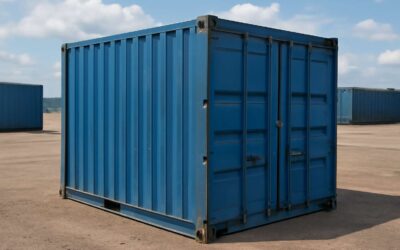
Standard dry storage containers are the most common and are perfect for transporting non-perishable goods. These containers come in various sizes, typically 20 or 40 feet, offering ample space for a wide range of cargo. Refrigerated containers, also known as reefers, are essential for perishable items like food and pharmaceuticals. They feature built-in cooling systems, ensuring goods remain fresh during transit.
Open-top containers provide flexibility for oversized or awkward cargo that cannot fit through standard doors. Flat-rack containers are designed for heavy or bulky items, such as machinery or construction materials, which require easy loading from the top or sides. Side-open containers, meanwhile, facilitate quick access to the cargo from the sides, making them ideal for loading and unloading large or irregularly shaped items.
Choosing the right type of shipping container is pivotal in the ongoing process of shipping containers sales, especially when tailoring solutions to specific logistical demands. Each container type plays a vital role in ensuring the safe, efficient, and cost-effective transport of goods across South Africa and beyond.
Sizes and Dimensions – 20-Foot, 40-Foot, Custom Sizes and Modifications
Understanding the sizes and dimensions of shipping containers is essential when navigating the marketplace for shipping containers sales. With over 20 million containers in circulation worldwide, selecting the right fit can make all the difference in the efficiency of your logistics. The most common options, the 20-foot and 40-foot containers, are often the first considerations, but the story doesn’t end there.
The 20-foot container, also known as a TEU (Twenty-Foot Equivalent Unit), offers a compact yet spacious solution for various cargo needs. Meanwhile, the 40-foot container provides double the capacity, making it ideal for larger shipments or bulk goods. Both sizes are standardized, ensuring compatibility across different transport modes and ports. However, some specialized projects demand custom sizes and modifications to meet unique logistical demands.
For those seeking tailored solutions, manufacturers often craft modifications that include increased height, reinforced floors, or custom doors. These adaptations are crucial for delicate or oversized cargo, and they are pivotal in the ongoing process of shipping containers sales. Whether you’re securing a standard unit or a bespoke container, understanding these dimensions ensures your cargo arrives intact and on schedule.
Materials and Construction – Corrugated Steel, Aluminum, Insulated and Non-Insulated Options
When it comes to shipping containers sales, understanding the materials and construction is as crucial as knowing your size options. After all, not all containers are created equal—some are built to withstand the relentless South African sun, while others are engineered for delicate or temperature-sensitive cargo. The most common materials include corrugated steel and aluminum, each offering unique benefits that can sway your decision.
Corrugated steel remains the stalwart choice, known for its durability and strength. It’s like the heavyweight champion of shipping container materials—resistant to the elements and capable of handling the rough-and-tumble world of international logistics. Aluminum, on the other hand, is lighter and offers superior corrosion resistance, making it perfect for coastal regions where salty air can be a relentless foe. For those with specialized needs, insulated containers provide a thermal barrier, ensuring fragile goods stay in perfect condition during transit.
In the world of shipping containers sales, it’s essential to match the material to your specific cargo requirements. Whether you opt for the rugged reliability of corrugated steel or the lightweight finesse of aluminum, each choice influences not only the longevity of your container but also the overall cost and usability. For some, custom modifications—like reinforced floors or specialized insulation—are the difference between a successful shipment and a logistical nightmare. Choosing the right material isn’t just about shipping; it’s about safeguarding your investment, cargo, and peace of mind.
Benefits of Purchasing Shipping Containers
Cost-Effectiveness – Affordable Alternative for Storage and Transport Solutions
In a landscape where cost-efficiency often dictates business success, the strategic purchase of shipping containers stands out as an innovative solution. They aren’t just for transporting goods across oceans; their versatility makes them a remarkably affordable alternative for a variety of storage and transport needs. With shipping containers sales offering a range of options, entrepreneurs and organizations can harness this resource to optimize operational costs without sacrificing quality or durability.
What truly elevates the appeal of investing in shipping containers is their longevity and adaptability. Unlike traditional storage facilities, these containers require minimal maintenance and can be repurposed for numerous applications—from mobile offices to retail outlets. This reusability translates into significant savings over time, making shipping containers a wise investment for those seeking cost-effectiveness in logistics and storage.
Furthermore, the flexibility of shipping containers sales allows buyers to select containers tailored precisely to their needs. Whether it’s a 20-foot container for compact storage or a custom-sized container for unique projects, the affordability combined with customization options ensures that businesses in South Africa can maximize their budget. This synergy of durability, adaptability, and affordability makes shipping containers an ideal choice for sustainable growth and innovation.
Versatility – Uses in Storage, Offices, Pop-up Shops, and More
In a world where space is often at a premium and budgets are tighter than a drum, the versatility of shipping containers is nothing short of revolutionary. These steel marvels are not just for hauling cargo across oceans—they’re transforming the way South African entrepreneurs approach storage, workspace solutions, and even retail ventures. Imagine turning a 20-foot shipping container into a stylish pop-up shop or a mobile office—talk about thinking outside the box, or rather, inside the container!
What makes shipping containers sales so appealing is their adaptability. Whether you need a compact storage unit, a fully equipped workspace, or a retail outlet that can be rolled into your next location, the options are endless. With a little creativity and some expert guidance, these containers can morph into everything from emergency shelters to art galleries. Their durability and ease of customization mean they can be tailored to your specific needs, creating a cost-effective, sustainable solution that stands the test of time.
For those who love options, consider this: shipping containers sales often include a variety of configurations, such as:
- Storage units for secure inventory management
- Mobile offices for on-site project coordination
- Pop-up shops that attract foot traffic and boost sales
- Event spaces or exhibition halls that are easy to deploy and pack up
With the ability to modify sizes and add custom features, investing in a shipping container is like buying a blank canvas—ready to be transformed into whatever your business dreams demand. So whether you’re aiming to optimize space, boost mobility, or cut costs, exploring shipping containers sales in South Africa might just be your next best move—after all, why settle for traditional when you can innovate with steel?
Durability and Security – Built to Withstand Harsh Environments and Protect Contents
In the relentless rhythm of modern enterprise, durability and security are not mere luxuries—they are imperatives. When investing in shipping containers sales, understanding the resilience of these steel giants is crucial. Built to withstand the harshest environments—be it the blistering heat of the Karoo or the humid coastal air—they serve as bastions of protection for your most valuable contents.
The strength of a shipping container lies in its construction. Made from corrugated steel or aluminum, these materials are engineered for endurance, resisting corrosion, impact, and even extreme weather conditions. This robust design ensures that your inventory, equipment, or even sensitive materials stay safe, no matter what nature throws your way.
Moreover, the security features embedded in these containers—such as lockboxes, reinforced doors, and tamper-proof locks—add an extra layer of protection. When you purchase shipping containers sales, you’re not just acquiring a storage unit; you’re securing peace of mind, knowing your assets are shielded from theft, vandalism, and environmental damage.
Consider the benefits: a container that can serve as a mobile storage unit or a temporary workspace while standing resolute against South Africa’s unpredictable climate. Durability and security are not just features—they are the foundation upon which reliable, long-lasting solutions are built. Investing in these steel marvels means embracing resilience, making it a prudent choice for any forward-thinking enterprise.
Factors to Consider When Buying Shipping Containers
Purpose of the Container – Storage, Transport, Customization Projects
Choosing the right shipping container hinges on understanding its primary purpose. Whether you need it for storage, transport, or a custom project, each use case demands different features. For example, a container used for transporting goods across borders must meet strict security and durability standards, while a storage unit might prioritize space and accessibility. Knowing your end goal ensures you opt for the most suitable options in shipping containers sales.
If you’re considering customization projects, think about how the container’s design can be adapted to suit specific needs. Some buyers opt for modifications like adding windows, doors, or insulation to turn a standard container into a mobile office or pop-up shop. When exploring shipping containers sales, always specify your purpose upfront. It helps sellers recommend the most appropriate size and material, ensuring you get maximum value from your investment.
Condition of the Container – New vs Used Containers, Inspection Tips
In the complex realm of shipping containers sales, discerning the true condition of a container can be the difference between a sound investment and a costly mistake. With prices for new containers often significantly higher than used options, understanding the nuances becomes critical. Whether you’re eyeing a pristine, factory-fresh unit or a well-worn used container, inspection is paramount to ensure longevity and performance.
When evaluating used shipping containers, pay close attention to structural integrity. Look for signs of rust, corrosion, or damage to the corners and doors—these are often telltale indicators of compromised security or durability. For new containers, confirm they meet industry standards and manufacturer specifications. A helpful tip is to request detailed photographs or even an in-person inspection if possible, to verify the pristine condition of the container’s exterior and interior. Remember, a thorough assessment during shipping containers sales can safeguard your investment and guarantee the container’s suitability for your intended purpose.
Location and Delivery – Finding Local Sellers and Delivery Options
In the vibrant landscape of South Africa’s bustling ports and sprawling industrial zones, the quest for the perfect shipping container often feels like navigating a labyrinth of possibilities. When embarking on shipping containers sales, one of the most pivotal considerations is location. Proximity to your project site can transform logistical headaches into seamless operations. Imagine the ease of sourcing a container from a local seller—reducing transit time and transportation costs—turning a complex transaction into a straightforward affair.
Delivery options, too, weave into this intricate tapestry. Opting for a seller who offers flexible delivery solutions ensures your container arrives precisely when needed, without unwelcome delays. Whether it’s a standard 20-foot dry storage unit or a custom-sized container designed to fit a unique space, the ability to coordinate local delivery transforms your vision into reality. When choosing among shipping containers sales, remember: the right location paired with reliable delivery options can elevate your investment from mere purchase to a strategic asset.
Budget and Pricing – Pricing Trends, Negotiation Tips
When navigating the realm of shipping containers sales, understanding the nuances of budget and pricing is crucial. Prices can fluctuate dramatically based on factors like container condition, size, and material. In South Africa, recent pricing trends reveal that used containers often offer a more economical choice without sacrificing durability. Yet, the real mastery lies in negotiation. Approaching sellers with informed insight about market values and current demand can unlock significant savings.
Moreover, it’s essential to weigh the long-term value—sometimes paying a slightly higher price for a well-maintained new container can be more cost-effective than repeatedly repairing an older one. Remember, the goal isn’t just to find the lowest price but to strike a balance between affordability and quality. A keen eye for market trends and an assertive negotiation approach can elevate your purchase from a simple transaction to a strategic investment in your project’s success.
Where to Buy Shipping Containers
Container Dealerships and Suppliers – Reputable Local and National Sellers
Discovering where to buy shipping containers can feel like embarking on a treasure hunt, but the landscape of container dealerships and suppliers is more accessible than ever. Whether you’re seeking a sturdy, used shipping container or a brand-new unit tailored to your specifications, reputable local and national sellers are ready to serve your needs. These suppliers often boast extensive inventories, ensuring you’ll find the perfect size and condition for your project.
Reputable sellers often stand out by offering transparent inspection reports and flexible delivery options, making the process smooth and trustworthy. Many container dealerships also provide customization services, transforming standard shipping containers into mobile offices, pop-up shops, or secure storage units. To streamline your search, consider exploring a curated list of trusted suppliers. Here are some steps to help you find dependable sources for shipping containers sales:
- Research local container dealerships with positive reviews and a solid reputation.
- Compare prices and conditions—new versus used containers—among national suppliers for the best deal.
- Inquire about delivery options to your location in South Africa, ensuring seamless transportation to your site.
By partnering with seasoned suppliers, you’re guaranteed a reliable, durable, and cost-effective solution for your storage and transport needs. The right seller can turn a simple purchase into a seamless experience—making your container project a real success story!
Online Marketplaces – Platforms like Alibaba, eBay, Specialized Container Marketplaces
Online marketplaces have revolutionized the way we access shipping containers sales, turning what was once a local affair into a global marketplace. Platforms like Alibaba and eBay offer a vast array of options—new, used, and customized containers—directly from sellers around the world. These online platforms provide detailed listings, including inspection reports, dimensions, and condition descriptions, making it easier to find the perfect container for your needs.
Specialized container marketplaces are also emerging, focusing solely on shipping containers sales. These sites often feature trusted vendors with proven reputations, giving buyers peace of mind. An advantage of using these platforms is the ability to compare prices and specifications side by side, which helps in making informed decisions. Whether you’re sourcing a 20-foot dry container or a 40-foot refrigerated unit, these platforms cater to a wide range of requirements.
- Review seller ratings and feedback to ensure reliability.
- Compare shipping costs and delivery options to South Africa.
- Utilize search filters to refine your options based on size, condition, and price.
By exploring these online marketplaces, buyers in South Africa can access a broader selection of shipping containers sales, often at more competitive prices than local dealerships. The digital marketplace is a vital resource, opening up new possibilities for storage, transport, or custom projects. It’s a straightforward way to tap into global inventory and secure the best deal for your container needs.
Auctions and Distributors – Government Auctions, Surplus Container Sellers
When it comes to sourcing shipping containers sales, exploring auction sites and distributor networks can yield surprisingly lucrative finds. Government auctions, in particular, are a treasure trove—offering containers that have often been used for a brief stint or are surplus to requirements. These auctions provide an opportunity to secure high-quality, durable containers at a fraction of the cost of new ones, making them a popular choice for savvy buyers in South Africa.
Distributors and surplus container sellers also present a compelling avenue for acquiring shipping containers sales. Many of these vendors specialize in refurbishing and reselling containers, giving customers a wide array of options in terms of condition, size, and modifications. To streamline your search, consider these steps:
- Review the seller’s reputation and feedback.
- Compare prices across multiple auctions and distributors.
- Assess the container’s condition through inspection reports or photos.
Whether you’re seeking a sturdy storage solution or preparing for a custom project, these channels often allow for negotiations and bulk purchasing—further enhancing the cost-effectiveness of your shipping containers sales endeavor. In South Africa’s dynamic market, tapping into government auctions and surplus sellers can be a game-changer, opening doors to high-quality containers that meet both your budget and logistical needs with finesse.
How to Select a Reliable Shipping Container Seller
Assessing Seller Reputation – Reviews, Certifications, Customer Testimonials
When choosing a seller for shipping containers sales, trust is everything. Assessing the seller’s reputation is a vital step that can save you from costly mistakes down the line. Customer testimonials offer a window into real-world experiences—look for consistent praise regarding durability, delivery punctuality, and fair pricing. Certifications and industry standards are equally important; they confirm that the containers meet stringent safety and quality protocols.
A reputable seller will often have verifiable reviews on multiple platforms, including online marketplaces like Alibaba or eBay, as well as local dealer websites. Some of the most trustworthy sellers are those who are transparent about their container condition—whether new or used—and provide detailed inspection reports. Remember, a seller’s longevity and positive feedback in shipping containers sales often serve as a strong indicator of reliability.
Inspecting Container Quality – Physical Inspection, Certification of Compliance
When venturing into the realm of shipping containers sales, ensuring the integrity of the container is paramount. A thorough physical inspection is your first line of defense—look for signs of rust, dents, or corrosion, especially on used containers. A well-maintained container should have a sturdy lock system and tight seals that indicate durability and security. Don’t forget to verify the certification of compliance; reputable sellers often provide inspection reports that confirm the container meets safety standards such as ISO certification. These documents serve as a safeguard, guaranteeing the container’s structural integrity and suitability for your specific needs.
For added peace of mind, consider requesting detailed photos and specifications from the seller. This transparency can reveal the container’s exact condition and any modifications. A transparent seller, especially in the competitive market of shipping containers sales, will be eager to demonstrate compliance and quality, ensuring your investment is sound and ready to withstand South Africa’s often harsh environments.
Customer Service and Support – After-Sale Support, Delivery Assistance
Choosing a reliable seller for your shipping containers sales isn’t just about securing a good deal; it’s about forging a partnership built on trust and transparency. Exceptional customer service and support can transform a simple transaction into a smooth, stress-free experience. When evaluating potential sellers, consider their responsiveness and willingness to address your unique needs—these qualities often reveal their commitment to long-term client satisfaction.
Post-sale support is equally vital. Reliable sellers offer assistance with delivery logistics, ensuring that your container arrives on time and in pristine condition. They should be prepared to help with installation, modifications, or repairs, depending on your project’s scope. Remember, a trustworthy seller will provide clear communication throughout the process, making sure your expectations are met at every stage.
In a competitive market of shipping containers sales, a seller’s reputation is often reflected in reviews and customer testimonials. Look for providers who have established a solid track record of customer satisfaction. For added peace of mind, some sellers even offer warranty options or service guarantees, underscoring their confidence in the quality of their containers and support systems.
- Assess the seller’s responsiveness and willingness to customize your order.
- Verify their delivery options and after-sales support policies.
- Review testimonials and feedback from previous clients to gauge reliability.
- Ensure they provide transparent pricing and clear terms of service.
Ultimately, investing in shipping containers sales from a seller committed to exceptional customer service ensures your project’s success. It’s not just about buying a container; it’s about building confidence in a partner who will stand by your side from purchase through long-term use.
Cost Factors and Pricing Overview
Used vs New Containers – Price Differences and When to Choose Each
Cost considerations in shipping containers sales often hinge on stark contrasts between used and new containers. New containers, with their pristine surfaces and guaranteed structural integrity, command a premium—sometimes 50% or more above their used counterparts. These fresh arrivals are ideal when reliability and aesthetic appeal are paramount, especially for high-profile businesses or custom projects that demand pristine conditions. Conversely, used containers present a compelling alternative, often priced significantly lower while still offering durability and versatility. This makes them an attractive choice for storage solutions or less critical transport applications.
Understanding when to opt for each type involves weighing budget against long-term needs. If the project demands uncompromised security and minimal maintenance, investing in a new shipping container might be justified. However, for temporary or cost-sensitive ventures, a used container often suffices and can be sourced from reputable used shipping containers sales outlets with confidence. Ultimately, the decision hinges on a careful assessment of price differences and the specific context of your operational requirements.
Additional Costs – Delivery Fees, Modifications, Insurance
When navigating the landscape of shipping containers sales, understanding the full scope of costs involved is crucial. The initial price tag, whether for a used or new container, is just the beginning. Additional costs can significantly impact your overall investment, especially if your project demands specific modifications or swift delivery. Delivery fees, for example, can vary greatly depending on your location in South Africa and the accessibility of the site. It’s essential to factor in these expenses early to avoid surprises.
Moreover, customization is often a key component in shipping containers sales, with modifications such as insulation, windows, or security features adding to the total cost. Insurance also plays a vital role, particularly for high-value or sensitive contents, ensuring peace of mind during transit and storage. Some buyers overlook these supplementary expenses, but in reality, they can account for a sizable portion of the budget. An understanding of these factors can make the difference between a smooth transaction and unexpected financial strain.
To simplify decision-making, consider this overview of common additional costs:
- Delivery fees – varies based on distance and terrain
- Modifications – tailored to specific project needs
- Insurance – protects against damage or theft during transit
- Inspection and certification costs – ensuring compliance with local standards
Being aware of these elements ensures that your approach to shipping containers sales remains transparent and strategic. Whether sourcing from local suppliers or online marketplaces, understanding these hidden costs empowers you to make informed choices and optimize your budget effectively.
Seasonal Pricing Trends – Best Times to Purchase
In the intricate dance of shipping containers sales, pricing is a symphony of factors that fluctuate like the tides—sometimes predictable, often unpredictable. The cost factors extend beyond the mere purchase price; they encompass a labyrinth of hidden expenses that can sway your budget like a gust of wind on a stormy day. From delivery fees that ebb and flow with distance and terrain, to bespoke modifications that tailor each container to your exact needs, understanding these elements is paramount.
Seasonal pricing trends in South Africa’s market for shipping containers sales reveal a pattern akin to the changing seasons—spring often heralds a surge in demand, while winter provides pockets of opportunity for savvy buyers. The best times to purchase are typically during periods of lower activity, when sellers may be more willing to negotiate. Keeping an eye on these trends can transform a potentially costly endeavor into a strategic investment, offering you both quality and value in the pursuit of your project’s success.
Customization and Modification Options
Cutting and Opening Windows/Doors – Creating Entry Points
In the realm of shipping containers sales, customization and modification options transform a simple steel box into a versatile masterpiece tailored to your unique needs. Cutting and opening windows or doors is no longer a mere afterthought but a strategic design element that unlocks new possibilities—be it for a mobile office, retail space, or secure storage unit. Imagine a container with an inviting entry point, seamlessly blending functionality with aesthetic appeal, crafted precisely for your project’s demands.
For those seeking to create a welcoming environment or ensure easy access, the process involves precise cutting and fitting of entry points that uphold the integrity of the container’s structure. Whether you require a single door, multiple access points, or even custom-sized openings, skilled modifications can significantly enhance usability. During the process, safety and durability are paramount—ensuring the container remains robust against South Africa’s challenging environments while fulfilling your specific purpose.
Moreover, the flexibility of shipping containers sales extends to creating windows that flood your space with natural light or open-air ventilation, turning a utilitarian container into a vibrant, functional space. The choice of materials and the scope of modifications—ranging from minor cutouts to full-scale structural changes—are carefully considered to maximize longevity and security. Such bespoke adaptations are the cornerstone of transforming standard containers into bespoke solutions, perfectly suited for your innovative projects.
Insulation and Ventilation – Climate Control Solutions
In the vibrant landscape of South Africa’s innovative architecture and entrepreneurial spirit, climate control solutions are vital for transforming shipping containers into habitable spaces. Customization and modification options allow for tailored insulation and ventilation systems that meet diverse environmental demands. Proper insulation ensures comfort during the scorching summers and chilly winters, while strategic ventilation promotes airflow, preventing moisture buildup and mold formation.
Advanced climate control solutions can include installing insulated panels made from durable materials such as polyurethane or spray foam, which enhance thermal efficiency. Ventilation enhancements, like adjustable louvers or exhaust fans, facilitate natural airflow and maintain a fresh interior environment. These bespoke modifications elevate shipping containers sales into a realm of versatile, functional spaces—whether for pop-up shops, mobile offices, or secure storage units—adapting seamlessly to South Africa’s challenging climate.
Whether you’re seeking a container with superior insulation or custom ventilation, the scope of modifications allows for a bespoke solution that champions longevity and energy efficiency. As the demand for adaptable, climate-controlled shipping containers sales continues to rise, understanding these options underscores their potential as a sustainable, cost-effective solution for a variety of applications. The right combination of insulation and ventilation transforms a simple steel box into a sanctuary, perfectly attuned to the robust South African environment.
Interior and Exterior Finishes – Painting, Shelving, Electrical Wiring
When it comes to customizing shipping containers for specific needs, the options are practically limitless. Whether transforming a container into a sleek pop-up shop or a functional mobile office, interior and exterior finishes play a crucial role in achieving the desired aesthetic and functionality. From painting to shelving, each modification adds value and personality to the container, making it a true extension of your vision.
Exterior finishes, such as high-quality paint, not only enhance durability but also protect against South Africa’s varying climate conditions. Inside, sturdy shelving systems can be installed to optimize storage, while electrical wiring transforms a simple steel box into a fully functional workspace or retail outlet. For added convenience, some clients opt for integrated lighting and power outlets, elevating their shipping containers sales to new heights of versatility.
For a seamless upgrade, consider structured modifications like creating entry points with custom doors or windows. The process often involves ordered steps, such as:
- Assessing the container’s condition and structural integrity
- Designing tailored interior layouts and finishes
- Implementing electrical wiring and lighting systems
- Applying durable exterior paint for weather resistance
These tailored customization options ensure that each shipping container not only meets precise specifications but also withstands South Africa’s demanding environment. When exploring shipping containers sales, understanding the scope of modification possibilities can transform a basic unit into a bespoke solution—perfectly suited for any application or budget.
Regulations and Compliance
Import/Export Standards – International Shipping Regulations
Ensuring compliance with international shipping regulations is a crucial aspect of any successful shipping containers sales strategy. As global trade becomes increasingly interconnected, understanding import/export standards helps prevent costly delays and legal complications. Countries across South Africa and beyond have established strict protocols to safeguard their borders and maintain safety standards. Navigating these regulations can be complex, but working with reputable sellers who are familiar with international shipping regulations assures that your containers meet all necessary criteria.
For instance, many authorities require certification of compliance for used containers, proving they adhere to safety and environmental standards. It’s essential to verify that your chosen container supplier provides proper documentation and inspection reports. Some of the key standards include ISO certification, structural integrity assessments, and corrosion resistance. Adhering to these regulations not only guarantees the security of your cargo but also facilitates smoother customs clearance processes.
When engaging in shipping containers sales, understanding the specific import/export standards of your destination country is paramount. In South Africa, for example, compliance with the South African Bureau of Standards (SABS) and international maritime regulations can influence your choice of container. To streamline your procurement process, consider a list of essential compliance checks:
- Certification of structural integrity
- ISO compliance documentation
- Environmental and safety standards adherence
- Proper labeling and markings
By prioritizing these aspects, you ensure your investment in shipping containers sales aligns seamlessly with international shipping regulations, enhancing efficiency and security every step of the way.
Safety and Security Standards – Locking Systems, Structural Integrity
Safety and security are non-negotiable in shipping containers sales. A well-designed locking system is vital to prevent theft and unauthorized access during transit and storage. Modern containers often feature high-security padlocks, sealed locking bars, and tamper-evident mechanisms, ensuring your cargo remains protected. Structural integrity is equally crucial. Containers must withstand harsh environments, from coastal salt spray to extreme temperatures, without compromising safety. Certifications like ISO compliance validate that the container meets international standards for durability and safety.
In addition, adherence to safety standards involves rigorous inspections of the container’s frame, welds, and corrosion resistance. For instance, a container with a certified locking system and verified structural integrity not only complies with international shipping regulations but also significantly reduces risk. When exploring shipping containers sales, always verify that the container has proper markings and certification documentation. This way, you ensure your investment aligns with the highest security and safety standards, making every shipment more secure and reliable.
Environmental Considerations – Recycling and Eco-Friendly Practices
In an era where the shadows of environmental neglect loom large, the choice to embrace eco-conscious practices in shipping containers sales becomes a silent rebellion against ecological decay. Each container, forged from steel and aluminum, bears the potential not only for transport but for transformation—reclaimed, repurposed, reborn. Recycling initiatives breathe new life into discarded containers, turning them into sanctuaries of sustainability rather than landfill debris.
Environmental considerations extend beyond mere reuse. Many reputable sellers now prioritize eco-friendly practices, ensuring that the materials used in manufacturing and modifications are sourced responsibly. This commitment to green principles elevates the integrity of each transaction. A rising tide of eco-conscious buyers seek containers that align with their values—sustainable, resilient, and compliant with international standards for environmental safety.
Moreover, adherence to regulations and compliance ensures that each shipping container sale is a testament to responsible stewardship. From rigorous certifications to transparent documentation, every element underscores a dedication to minimizing ecological impact. When investing in a shipping container, consider not only its durability but also its journey—how it contributes to a greener planet, one recycled and eco-friendly container at a time.
Environmental Impact and Sustainability
Reusing and Recycling Containers – Reducing Waste
Environmental impact is an increasingly critical consideration in the world of shipping containers sales, especially as industries seek sustainable solutions. Reusing and recycling containers has emerged as a powerful method to reduce waste and lessen the ecological footprint of global trade. Instead of discarding old or surplus containers, repurposing them for various applications not only conserves resources but also aligns with eco-friendly practices.
Innovative reuse can transform shipping containers into functional spaces such as offices, pop-up shops, or storage units—extending their life cycle far beyond their initial purpose. This approach significantly cuts down on landfill waste, which is especially relevant in South Africa, where waste management remains a pressing concern. To maximize sustainability, many companies involved in shipping containers sales now emphasize eco-conscious modifications like insulation and ventilation, ensuring containers are suitable for diverse environments while maintaining minimal environmental impact.
- Reducing landfill waste
- Lowering the demand for new materials
- Encouraging circular economy practices
By prioritizing recycling and reuse, stakeholders in the shipping containers sales industry can contribute meaningfully to environmental preservation, proving that sustainability and economic viability can go hand in hand. This mindset is transforming the landscape of container procurement, making eco-friendly options more accessible and appealing than ever before.
Eco-Friendly Manufacturing – Materials and Processes
Environmental impact has become a defining factor in the evolution of shipping containers sales. As industries worldwide pivot towards sustainability, eco-friendly manufacturing processes are taking center stage. Shipping containers made from recycled materials or designed with minimal environmental footprints are not just trendy—they are essential. These innovations reduce the reliance on virgin resources and lower greenhouse gas emissions during production.
In South Africa, where waste management challenges persist, sustainable solutions are more vital than ever. Eco-conscious manufacturing involves using materials like aluminum and corrugated steel that are highly recyclable, ensuring each container can be reintroduced into the circular economy. Advanced processes, such as eco-friendly welding and non-toxic paint applications, further enhance their sustainability profile.
For those involved in shipping containers sales, prioritizing environmentally responsible options isn’t just good practice—it’s a strategic move toward a greener future. By choosing containers designed with sustainability at their core, stakeholders can help reduce landfill waste and promote a more resilient, eco-friendly trade ecosystem.
Sustainable Business Practices – Green Certifications and Initiatives
In a world where environmental impact is no longer a mere afterthought but a core business imperative, sustainable business practices are revolutionizing the shipping containers sales industry. Companies that prioritize eco-friendly initiatives are not just doing the planet a favor—they’re gaining a competitive edge in an increasingly conscious market. Green certifications and eco-labels serve as proof that a container supplier adheres to strict environmental standards, making them more attractive to clients committed to reducing their carbon footprint.
South Africa’s ongoing waste management challenges make green initiatives even more critical. Many reputable sellers now incorporate recycled materials like corrugated steel and aluminum, ensuring each shipping container is part of a circular economy. These environmentally responsible options often come with certifications such as ISO 14001, signaling compliance with international environmental standards. It’s a win-win: sustainable shipping containers sales that support eco-conscious trade while reducing landfill waste and lowering greenhouse gas emissions.
- Implementing eco-friendly manufacturing processes.
- Securing green certifications that endorse sustainable practices.
- Engaging in initiatives that promote recycling and reusing containers.
Choosing containers with a sustainability pedigree isn’t just about corporate social responsibility; it’s a strategic move towards resilience and innovation in logistics. As the global push for greener business practices intensifies, stakeholders involved in shipping containers sales must stay ahead of the curve, championing eco-conscious solutions that benefit both the environment and their bottom line.


0 Comments