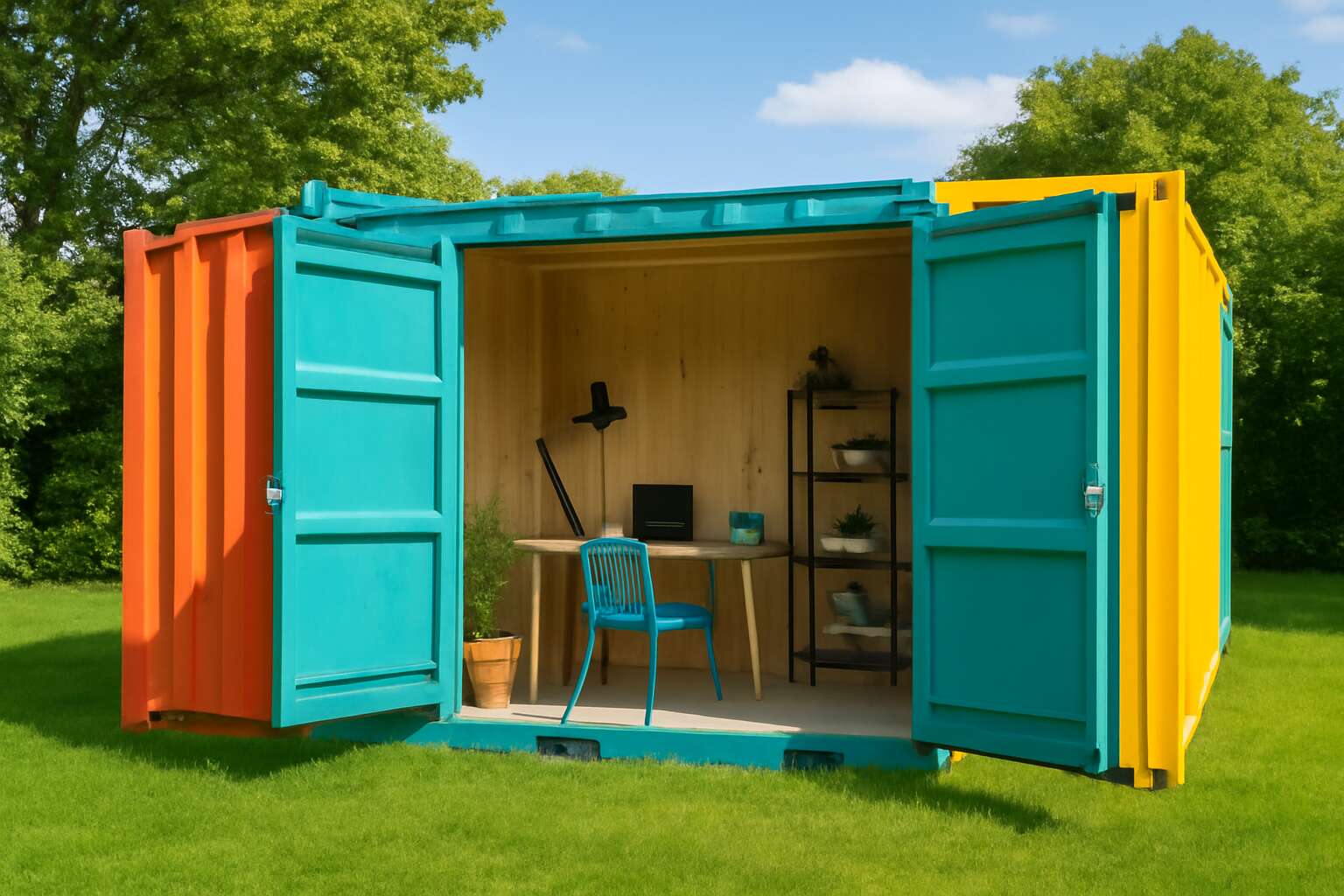
Understanding Shipping Container Sheds
What Are Shipping Container Sheds?
In a world driven by ingenuity and resourcefulness, shipping containers sheds stand as a testament to modern adaptability. These structures transform the humble cargo container into versatile sanctuaries, blending industrial strength with creative elegance. Imagine a space that can be effortlessly customized—whether for storage, workshops, or even charming retreats—while maintaining the resilience that only a shipping container can offer.
What makes shipping containers sheds so compelling is their inherent durability and modular simplicity. Each container is crafted to withstand the harshest elements of sea and land, making them ideal for the unpredictable South African climate. Their sturdy steel construction not only ensures longevity but also provides an excellent foundation for bespoke modifications, turning a standard container into a personalized haven. Frequently, these sheds are designed with ease of access and security in mind, making them an attractive option for both residential and commercial purposes.
For those considering a shipping container shed, understanding the variety of available options is crucial. Here are some common types:
- Standard shipping containers, perfect for straightforward storage solutions.
- High cube containers, offering extra vertical space for taller equipment or creative interior designs.
- Refrigerated containers, which can be adapted for climate-sensitive storage needs.
In essence, shipping containers sheds are more than mere storage units—they are blank canvases for innovation, imbued with the spirit of resilience and transformation. Their popularity continues to surge as both practical and aesthetic solutions for a diverse array of uses across South Africa’s vibrant landscape.
Advantages of Using Shipping Containers for Sheds
In a landscape where adaptability often determines success, shipping containers sheds emerge as an ingenious solution that marries resilience with innovation. Their inherent advantages lie in their structural integrity—crafted to endure the relentless forces of sea and land, they stand as a testament to durability. This robustness translates seamlessly into South Africa’s diverse climate, providing a secure and long-lasting haven for storage, workshops, or even creative spaces.
What truly elevates shipping containers sheds beyond simple storage units is their modular versatility. Their straightforward design allows for a myriad of customizations—adding windows, doors, or insulation—transforming a utilitarian container into a personalized retreat or functional workspace. Their ease of transport and assembly also means minimal disruption and rapid deployment, making them a favorite among entrepreneurs and homeowners alike.
- Cost-effectiveness: Compared to traditional constructions, shipping containers sheds often present a more affordable alternative without sacrificing quality.
- Eco-friendly footprint: Reusing shipping containers reduces waste and promotes sustainability, aligning with the growing eco-conscious movement across South Africa.
- Security and safety: Their steel construction provides a formidable barrier against theft and vandalism, offering peace of mind for both residential and commercial applications.
Ultimately, the appeal of shipping containers sheds lies in their unique blend of strength, flexibility, and sustainable practicality. They are not merely storage solutions but portals to creative expression and functional innovation—embodying a resilient spirit that resonates deeply within South Africa’s vibrant and resourceful landscape.
Common Uses and Applications
Shipping containers sheds are far more versatile than most realize. Their common uses span from practical storage solutions to innovative workspace designs. In South Africa, many entrepreneurs and homeowners are turning to these steel structures to meet diverse needs. The strength and adaptability of shipping containers sheds make them ideal for various applications.
One of the most popular uses is as a secure storage unit. Whether for tools, equipment, or inventory, these sheds provide a robust barrier against theft and weather conditions. Additionally, they are frequently transformed into workshops or small factories, especially in remote areas where traditional building options are limited. The modular nature allows for easy customization—adding windows, insulation, or shelving is straightforward, making each shed uniquely suited to its purpose.
- Garden offices
- Pop-up retail shops
- Art studios or creative spaces
- Temporary or permanent construction site offices
In South Africa’s dynamic economic landscape, shipping containers sheds are a practical choice. They blend durability with flexibility, serving as a foundation for both functional and creative projects. Their ability to be relocated and reconfigured ensures they remain a valuable asset across various industries and personal needs. This adaptability makes shipping containers sheds an essential component of modern, resourceful development.
Types of Shipping Container Sheds
Standard vs. Modified Containers
When exploring options for shipping containers sheds, the choice between standard and modified containers can dramatically impact the final outcome. Standard containers are the sturdy, no-frills workhorses of the shipping world, offering a reliable and cost-effective solution. They arrive as-is, with their robust steel walls ready to serve as durable storage or workspace. These containers are ideal for those seeking simplicity and affordability, especially in rural settings where resilience is key.
On the other hand, modified containers open a world of possibilities. These are standard containers that have been transformed through a range of customizations—adding windows, insulation, doors, or even electrical wiring. Such modifications are perfect for creating a tailored shipping containers shed that fits specific needs, whether it’s a cozy workshop or a secure storage unit. The process allows for a more personalized approach, blending functionality with comfort and style.
- Enhanced insulation for climate control
- Extra doors or windows for ventilation and light
- Custom interior fittings for specific uses
Ultimately, the decision hinges on what is most important for your property and budget. Both types of shipping containers sheds offer unique advantages, making them a versatile and resilient choice for rural South African landscapes. The key lies in understanding how each can best serve the everyday needs of local communities, providing shelter and security in a way that truly feels like a part of the land.
Customizable Container Designs
In the realm of adaptable architecture, the potential for *shipping containers sheds* to transcend mere utilitarianism is both fascinating and profound. These structures can be transformed into bespoke sanctuaries through a spectrum of customizable designs, each tailored to the specific needs and aesthetic desires of their owners. The allure lies in their inherent versatility—an empty steel shell becomes a canvas for innovation, blending resilience with refined functionality.
One of the most compelling aspects of *shipping containers sheds* is the scope for personalization. From sleek, modern exteriors to rustic, industrial charm, the design possibilities are virtually boundless. You might opt for enhanced insulation to create a climate-controlled environment, or incorporate extra doors and windows to facilitate natural light and ventilation. The interior can be outfitted with custom fittings—shelving, workbenches, or even electrical wiring—transforming a simple container into a fully functional workspace or storage haven.
Some of the most popular customizable features include:
- Insulation for temperature regulation
- Additional entry points and ventilation options
- Interior modifications tailored to specific uses, such as workshops or secure storage
When considering *shipping containers sheds*, understanding the breadth of design options not only elevates their practicality but also imbues them with a unique character that resonates with local landscapes and lifestyles. Whether in the rugged terrains of South Africa or urban outskirts, these containers evolve from mere containers into integral parts of the environment—emblems of resilience, ingenuity, and adaptability.
Choosing the Right Size and Configuration
Choosing the right size and configuration of shipping containers sheds is a journey into the realm of possibilities. With their modular nature, these structures can be tailored to fit a variety of needs—whether it’s a compact garden shed or a sprawling workshop. The key lies in understanding the different types of shipping containers sheds available and how they can be adapted for your specific environment in South Africa.
Standard containers, typically 20 or 40 feet long, offer a sturdy, cost-effective foundation for most projects. However, for larger or more complex needs, modified shipping containers sheds come into their own—featuring extra doors, windows, or insulation to enhance functionality and comfort.
- Single-Container Sheds
- Multi-Container Combinations
- Custom-Configured Units
These options allow for a seamless blend of durability and versatility, ensuring your container shed evolves with your vision.
Design and Construction of Shipping Container Sheds
Materials and Insulation Options
In the realm of shipping containers sheds, the choice of materials and insulation is not merely a technicality but a reflection of our understanding of resilience and purpose. The steel walls of a shipping container provide a formidable shell—robust, weather-resistant, and ready to withstand South Africa’s unpredictable climate. However, the true challenge lies in transforming this vessel into a sanctuary of functionality and comfort.
Materials play a pivotal role in this metamorphosis. Corrugated steel remains the backbone, but the addition of plywood or composite panels can enhance durability and aesthetic appeal. Insulation, often an afterthought, becomes a safeguard against the extremes of temperature—be it the scorching heat or winter chills—especially vital for shipping containers sheds used as workshops or storage units. Options such as spray foam, foam board, or mineral wool offer varying degrees of thermal regulation and soundproofing.
For those aiming to elevate their shipping containers sheds into versatile, sustainable spaces, the fusion of innovative materials and thoughtful insulation is non-negotiable. This process embodies a delicate balance—where strength meets comfort, and practicality aligns with purpose, echoing the deeper human desire for spaces that nurture both function and spirit.
Foundation and Site Preparation
Constructing a resilient and functional shipping containers shed begins with meticulous site preparation and a solid foundation. In South Africa’s diverse terrain, choosing the right groundwork is crucial—whether it’s compacted gravel, reinforced concrete, or a combination tailored to your specific needs. Proper leveling ensures stability, preventing future shifts that could compromise the structure’s integrity.
The foundation acts as the backbone of your shipping containers shed, providing a stable platform that withstands weather fluctuations and heavy usage. For added durability, consider incorporating a damp-proof membrane or drainage system to safeguard against moisture damage.
Once the foundation is in place, the site must be carefully prepared to facilitate easy assembly and future maintenance. This may involve clearing vegetation, ensuring proper access routes, and marking precise placement points. A thoughtfully prepared site transforms the raw potential of a shipping container into a secure, long-lasting shelter—ready to serve as a workshop, storage unit, or even a creative studio.
Ventilation and Climate Control
When it comes to designing shipping containers sheds, ventilation and climate control aren’t just afterthoughts—they’re the secret sauce for a long-lasting, functional space. South Africa’s weather can be as unpredictable as a Cape storm, so ensuring proper airflow is essential. Without it, moisture can turn your shed into a breeding ground for rust and mold, transforming your sturdy shipping containers into a soggy disaster zone.
Good ventilation doesn’t have to be complicated. Simple solutions like installing louvered vents, exhaust fans, or adjustable windows can make a world of difference. These features help regulate temperature, prevent condensation, and keep the air fresh—no one wants a workshop that smells like a damp cave! For those seeking a more controlled environment, climate control systems such as portable air conditioners or dehumidifiers can be integrated seamlessly into your shipping containers sheds.
Here’s a quick rundown of essential considerations for ventilation and climate control in your shipping container shed:
- Properly positioned vents for cross-flow airflow
- Insulation to improve thermal regulation
- Sealing gaps to prevent drafts and water ingress
- Optional climate control systems for sensitive equipment or materials
Optimizing ventilation and climate control transforms a basic shipping container into a resilient, comfortable space—perfect whether you’re creating a secure storage unit or a creative studio in the heart of South Africa!
Security Features and Locking Systems
Security is the backbone of any well-designed shipping containers shed. In South Africa, where theft and vandalism can threaten your peace of mind, robust locking systems are non-negotiable. A well-secured shed not only protects your valuable equipment but also provides peace of mind, allowing you to focus on your work or hobbies without worry.
For maximum protection, many opt for reinforced locks, such as high-security padlocks or hasp and staple systems that resist tampering. Additionally, security features like surveillance cameras, motion-activated lighting, and alarm systems can be integrated seamlessly into the design of your shipping containers sheds.
It’s vital to consider how these elements work together to create a resilient barrier against intruders. Sometimes, this means customizing the container’s doors or installing reinforced steel panels for added durability. When security is prioritized, your shipping container shed becomes more than just a storage space—it becomes a fortress designed to withstand the unpredictable threats of the environment and human interference alike.
In essence, a thoughtfully engineered security system ensures that your shipping containers sheds aren’t just functional, but also safeguard your assets, making them a trusted part of your property’s landscape.
Benefits of Shipping Container Sheds
Durability and Weather Resistance
In the unpredictable climate of South Africa, durability and weather resistance are not just desirable—they are essential. Shipping containers sheds stand as stalwart guardians against the elements, crafted from steel that endures both the scorching sun and the torrential downpours common in many regions. Unlike traditional structures, these sheds offer an intrinsic resilience that ensures longevity, reducing the need for frequent repairs and replacements.
Thanks to their robust construction, shipping containers sheds can be customized with additional insulation and weatherproofing options, making them adaptable to various environmental challenges. Their inherent strength provides a natural barrier against pests and intruders, adding an extra layer of security and peace of mind. For those seeking a reliable, low-maintenance storage solution that withstands South Africa’s diverse climate, the durability and weather resistance of shipping containers sheds make them an astute choice. Embracing this modern approach to storage not only guarantees protection but also invites a sense of enduring stability, transforming functional space into a lasting asset.
Cost-Effectiveness
One of the most compelling reasons to choose shipping containers sheds is their remarkable cost-effectiveness. Unlike traditional building methods that often involve hefty labour costs and lengthy construction times, shipping containers sheds can be deployed swiftly, saving both time and money. This streamlined process not only reduces initial expenses but also means fewer disruptions to your daily routine or business operations.
Furthermore, shipping containers sheds are highly durable, which translates into lower maintenance costs over their lifespan. Their robust steel construction resists corrosion, pests, and the wear and tear caused by South Africa’s diverse climate. This resilience ensures that your investment endures, providing peace of mind for years to come. For those seeking an affordable yet dependable storage or workspace solution, shipping containers sheds stand out as a truly economical choice.
Ease of Transportation and Installation
The true advantage of shipping containers sheds lies in their unparalleled ease of transportation and swift installation. Unlike traditional structures that often require extensive groundwork and lengthy build times, shipping containers can be moved directly to your site with minimal fuss. This flexibility is especially vital in South Africa, where terrain and logistical challenges can complicate construction projects.
Transporting a shipping container shed is remarkably straightforward. With the right equipment, they can be delivered directly to your desired location, even in remote or hard-to-access areas. Once on site, installation becomes a matter of positioning and securing, often completed within a single day. This rapid deployment minimizes disruption, allowing your project or storage needs to be met without delay.
- Reduced construction time
- Minimized site disruption
- Efficient logistical planning
Thanks to their modular design, shipping containers sheds can also be easily relocated or expanded over time. This adaptability makes them a versatile choice for businesses looking for flexible solutions that can evolve with their needs. When speed, ease of transport, and straightforward installation are non-negotiable, shipping containers sheds stand out as a remarkably practical and efficient option.
Eco-Friendly and Sustainable Choice
Choosing eco-friendly solutions is more than just a trend; it’s a conscious step towards sustainable development. Shipping containers sheds epitomize this movement by repurposing existing materials, significantly reducing waste and carbon footprint. Unlike traditional building methods that often demand new raw materials and energy-intensive processes, these sheds leverage the robustness of recycled shipping containers, transforming them into durable, long-lasting structures.
Furthermore, the modular nature of shipping containers sheds facilitates a lifecycle that can be extended through reconfiguration or relocation. This adaptability aligns perfectly with the principles of sustainability, as it minimizes demolition waste and reduces the need for new construction. In South Africa, where environmental concerns are increasingly critical, opting for shipping containers sheds offers a way to meet storage and workspace needs while championing ecological responsibility.
- Recycling existing materials reduces landfill waste
- Lower energy consumption during construction
- Long-term durability minimizes replacement needs
Embracing shipping containers sheds isn’t just smart from a logistical standpoint; it’s a commitment to a greener future. Their eco-friendly and sustainable qualities make them an ideal choice for modern businesses and homeowners seeking environmentally conscious building solutions that do not compromise on strength or functionality.
Installing and Customizing Shipping Container Sheds
DIY vs. Professional Installation
Embarking on the journey of installing a shipping container shed can feel akin to stepping into a realm where ingenuity meets craftsmanship. Whether you opt for a do-it-yourself (DIY) approach or enlist the expertise of seasoned professionals, the decision shapes the very soul of your project. DIY installation offers a sense of mastery—transforming a seemingly ordinary shipping container shed into a personal masterpiece. Yet, it demands a keen eye for detail, patience, and a touch of mechanical intuition. Conversely, professional installation ensures a seamless process, with experienced artisans navigating the intricacies of site preparation, securing foundations, and precise placement.
For those inclined toward hands-on involvement, here are essential steps to consider:
- Assessing the site for optimal placement
- Ensuring proper foundation and groundwork
- Securing the container to withstand South Africa’s climate
While DIY installation can be rewarding, complex projects or larger shipping containers sheds often benefit from the expertise of professionals. Their specialized tools and knowledge can save time, reduce errors, and guarantee longevity—crucial factors for safeguarding your investment in a shipping container shed. Ultimately, the choice hinges on your confidence, budget, and the scope of your vision—making it an adventure worthy of your unique story.
Popular Customization Options
Installing and customizing shipping container sheds opens a world of possibilities for those seeking practical and stylish storage solutions. One of the most appealing aspects is the ability to tailor these structures to suit specific needs and aesthetic preferences. From adding windows and doors to enhancing security features, customization transforms a basic container into a personalized space. Popular options include installing insulation to improve climate control, upgrading locks for security, and even painting or cladding the exterior for a distinctive look.
For a truly unique touch, consider the following customization options:
- Adding skylights or windows for natural light
- Installing shelving or workbenches inside
- Applying exterior paint or weather-resistant cladding
These enhancements not only boost functionality but also ensure your shipping containers sheds blend seamlessly into their environment. Whether you’re creating a garden studio, a workshop, or a secure storage unit, customization plays a pivotal role in maximizing the potential of your shipping container shed. The right modifications can make all the difference in durability, usability, and visual appeal—making your investment truly worthwhile.
Maintenance and Longevity of Shipping Container Sheds
Regular Inspection and Repairs
When it comes to maintaining shipping containers sheds, neglect is not an option—unless you fancy turning your sturdy metal fortress into a rusted relic of its former glory. Regular inspection and repairs are the secret sauce to longevity, ensuring your investment doesn’t turn into a glorified scrap heap. Think of it as giving your shed a routine health check-up; after all, a little preventative care can save a fortune in future repairs.
Inspecting for rust, leaks, or structural weaknesses should become part of your weekly routine—preferably with a cuppa in hand and a keen eye. Small issues like chipped paint or minor corrosion can snowball into significant problems if ignored. To stay ahead, some savvy owners create a maintenance checklist, which might include:
- Checking for corrosion or rust spots
- Ensuring doors and locks function smoothly
- Inspecting insulation and ventilation systems
- Reapplying protective coatings where needed
Addressing these concerns promptly not only prolongs the lifespan of shipping containers sheds but also keeps them looking sharp and weather-resistant. Remember, a well-cared-for container isn’t just a storage solution; it’s a fortress of durability designed to stand the test of time—so give your shipping containers sheds the attention they deserve!
Protection Against Corrosion and Rust
In the vast theatre of harsh South African climates, where sun scorches and rain relentlessly pounds the earth, the longevity of shipping containers sheds hinges on vigilant maintenance. Corrosion and rust are relentless foes that threaten to erode the integrity of these sturdy steel structures. Yet, with a touch of foresight and routine care, these formidable guardians can withstand the test of time, transforming from simple storage units into enduring fortresses.
Protection against corrosion and rust involves more than just superficial fixes; it’s a strategic dance of preventative measures. Regularly inspecting for signs of deterioration allows owners to address issues before they escalate into costly repairs. Simple steps like reapplying protective coatings or sealing vulnerable joints can make a profound difference. To keep these steel sentinels resilient, some savvy operators adopt a maintenance schedule that includes:
- Checking for rust spots and corrosion
- Reapplying protective paint or coatings
- Scanning for leaks or structural weaknesses
By embracing these practices, the lifespan of shipping containers sheds extends far beyond the ordinary, ensuring they remain steadfast against South Africa’s climate extremes. These resilient structures are not just containers; they are enduring symbols of durability, standing tall amid the elements with the right care. When rust and corrosion are kept at bay, your shipping containers sheds will continue to serve as reliable, weather-resistant havens for years to come!
Long-Term Care Tips
Longevity is the cornerstone of any successful shipping containers sheds project. To ensure these robust structures serve their purpose for years to come, ongoing maintenance is essential. South Africa’s extreme climate—where scorching sun and relentless rain are common—demands a proactive approach to long-term care. Regular inspections reveal early signs of wear, allowing owners to address issues before they escalate into costly repairs. This vigilance is key to preserving the structural integrity of shipping containers sheds.
Implementing a consistent maintenance routine can dramatically extend the lifespan of your containers. Simple but vital steps include:
- Checking for rust spots and corrosion
- Reapplying protective paint or coatings
- Scanning for leaks or structural weaknesses
Incorporating these practices into your upkeep schedule not only protects your investment but also ensures your shipping containers sheds remain weather-resistant and durable amidst South Africa’s climate extremes. With dedicated care, these steel guardians can stand tall, safeguarding your assets and providing reliable shelter for decades to come.
Cost Factors and Budgeting for Shipping Container Sheds
Price Range for Different Sizes
When it comes to shipping containers sheds, the price tag isn’t just a number—it’s a reflection of your vision, your budget, and perhaps a little bit of luck. The cost factors vary wildly depending on size, customization, and the level of insulation or security features you desire. Larger shipping containers sheds naturally command a higher price, but they also offer more versatility and space for your prized collection of vintage lawn flamingos or industrial-grade tools.
In South Africa, the price range for shipping containers sheds can start from as little as R25,000 for a basic 6×6 unit and can soar beyond R100,000 for a fully customized, insulated masterpiece. To make budgeting easier, consider these key components:
- The size of the container
- Level of modification required
- Materials used for insulation and cladding
- Small (6×6) sheds: R25,000 – R40,000
- Medium (8×20) sheds: R50,000 – R80,000
- Larger (20×40) or customized units: R100,000 and up
Understanding these price ranges ensures your dream shipping containers sheds stay within budget while still fulfilling all your storage fantasies—no matter how wild they may be!
Cost of Customization and Modifications
One of the most significant aspects of planning your shipping containers sheds project is understanding how customization and modifications influence the overall cost. Every alteration, from adding windows and doors to installing electrical wiring or insulation, can add to the budget. These enhancements transform a basic container into a tailored space that meets your specific needs—whether it’s a cozy garden retreat or a secure workshop.
Cost factors for shipping containers sheds aren’t solely about size; they also include the level of customization required. For instance, a simple modification like installing a locking system may be affordable, but extensive insulation or reinforced security features can considerably increase expenses. To better illustrate this, consider the following:
- Type of insulation—standard foam, spray foam, or composite panels
- Additional security features—alarm systems, reinforced doors, or CCTV
- Interior finishing—shelving, electrical outlets, or climate control systems
By carefully weighing these factors, you can craft a budget that balances your vision with practical financial planning. After all, investing in quality modifications ensures your shipping containers sheds remain durable and functional for years to come, making every rand spent worthwhile. In South Africa, tailoring your shipping containers sheds to your unique needs is an investment that pays off in both longevity and peace of mind.
Additional Expenses (Foundation, Permits, etc.)
Every project involving shipping containers sheds is a delicate dance between vision and budget. While the initial cost of acquiring a shipping container might seem straightforward, the true financial landscape shifts dramatically once you add the expenses of foundation work, permits, and other essential site preparations. These additional expenses are often underestimated, yet they are crucial to ensuring your shed is both stable and compliant with local regulations.
Foundation costs can vary depending on the terrain, soil stability, and whether you opt for concrete slabs or pier foundations. Permits, on the other hand, are a necessary expense in South Africa, especially if the structure exceeds certain dimensions or is situated in specific zones. Failing to obtain the proper approvals can lead to costly fines or even the need to dismantle the shed entirely.
To keep your project on track, consider this simple outline of key cost factors:
- Container purchase or leasing costs
- Foundation and site preparation
- Permits and approvals
- Customization and modifications (insulation, security, interior finishes)
- Transport and installation fees
Being aware of these elements helps craft a comprehensive budget, allowing you to prioritize modifications that add durability and function without spiraling costs. Thoughtful planning ensures your shipping containers sheds serve their purpose for many years, turning a simple structure into a lasting investment that harmonizes practicality with vision. After all, in South Africa’s dynamic landscape, foresight is the key to transforming a basic container into a resilient, tailored haven.
Where to Buy Shipping Container Sheds
Reputable Suppliers and Manufacturers
In the vast landscape of South Africa’s burgeoning infrastructure projects and entrepreneurial ventures, sourcing reliable providers of shipping containers sheds becomes an imperative. The market is saturated with a spectrum of suppliers, yet discerning quality amidst the noise remains a challenge. Reputable manufacturers stand out by offering not just durability but also customization options that align with diverse needs—from secure storage units to innovative workspace solutions.
When navigating this terrain, it’s essential to prioritize established entities with proven track records. Many industry leaders boast extensive portfolios, demonstrating their commitment to excellence in construction standards and material resilience. To streamline your search, consider a curated list of trusted suppliers that excel in manufacturing shipping containers sheds:
- Global Container Solutions – Renowned for bespoke modifications and eco-friendly materials.
- South Africa Container Experts – Specializing in local delivery and tailored design solutions.
- Container World SA – Offering a wide range of standard and custom-built shipping containers sheds with quick turnaround times.
Engaging with these reputable suppliers ensures that your investment in shipping containers sheds is both sound and sustainable, providing peace of mind amid South Africa’s dynamic market demands.
Buying New vs. Used Containers
When contemplating the purchase of shipping containers sheds, the question often arises: should one opt for brand new units or embrace the charm of second-hand containers? Each choice carries its own narrative—one of pristine potential, or of seasoned resilience. New containers promise a blank canvas, unblemished and ready to be transformed into bespoke storage or workspace sanctuaries. They are meticulously crafted, ensuring maximum durability and a pristine finish that appeals to those seeking a sleek, modern aesthetic.
Conversely, used shipping containers sheds whisper stories of endurance and history, often available at a more accessible price point. These seasoned vessels have weathered the storms—literally and metaphorically—making them an eco-friendly option that champions sustainability. When considering where to buy, it’s crucial to evaluate the reputation of suppliers and the condition of the containers. Here’s a quick guide:
- Assess the supplier’s track record—trustworthy providers will offer transparent histories of their containers’ usage and maintenance.
- Inspect the structural integrity—look for signs of rust or corrosion that could compromise longevity.
- Determine your budget and project scope—new containers may command a higher price, but they often require less initial maintenance.
Whether forging ahead with fresh or seasoned shipping containers sheds, your choice should echo the harmony of durability, cost, and sustainability—elements that forge the foundation of a truly resilient structure. In South Africa’s vibrant market, the discerning buyer finds that both avenues—new or used—offer pathways to creating spaces that are as enduring as the landscape itself.
Booking Custom Orders
Securing the perfect shipping containers sheds begins with knowing where to find reputable suppliers that can meet your specific needs. In South Africa, a thriving market offers a spectrum of options—from local manufacturers to international distributors—each promising quality and reliability. The journey often involves navigating a landscape of diverse providers, where trustworthiness and transparency are paramount. For those seeking tailored solutions, many suppliers now accept custom orders, allowing you to specify dimensions, insulation, and security features that align perfectly with your project.
When booking custom orders for shipping containers sheds, it’s crucial to evaluate the supplier’s portfolio of past projects. A reputable provider will offer comprehensive consultations and transparent pricing, including detailed quotes covering modifications, permits, and delivery costs. To streamline your decision, consider requesting references or reviews from previous clients, ensuring their reputation aligns with your expectations. In some cases, suppliers might even facilitate site assessments or virtual walkthroughs, bringing your vision for a bespoke shipping containers shed closer to reality.
For those ready to proceed, many companies now incorporate online booking platforms, simplifying the process of securing your custom-designed shipping containers sheds. Whether you’re envisioning a sleek modern workspace or a rugged storage solution, the flexibility of custom orders ensures your structure isn’t just functional but also a seamless extension of your environment. Ultimately, choosing the right supplier and embracing the option to customize transforms a simple container into a resilient, personalized space that endures the test of time and elements.
Legal Considerations and Regulations
Building Codes and Permits
When venturing into the world of shipping containers sheds, one quickly realises that compliance isn’t merely a bureaucratic hurdle—it’s the very foundation of a successful project. In South Africa, building codes and permits serve as the gatekeepers, ensuring that your innovative shed doesn’t become a legal liability. Ignoring these regulations can lead to hefty fines or even the dismantling of your creation, which is a risk best avoided with a thorough understanding of local requirements.
Legal considerations extend beyond mere permits; they encompass zoning laws, safety standards, and environmental regulations. For instance, in certain municipalities, installing shipping containers sheds in residential zones may require special approval, especially if modifications alter the container’s original structure or purpose. To navigate this labyrinth, it’s advisable to consult local authorities or a seasoned contractor familiar with South African building codes.
- Obtain necessary permits before commencing construction
- Ensure adherence to local zoning laws and safety standards
- Consult professionals to avoid costly legal missteps
By respecting the legal landscape surrounding shipping containers sheds, owners not only safeguard their investment but also ensure their project aligns with the community’s standards. After all, a shed that passes inspection is a testament to good planning and respect for the rules of the game—an essential ingredient for peace of mind and longevity in your shipping container sanctuary.
Zoning Laws
In the bustling landscape of South Africa’s innovative structures, shipping containers sheds stand out as a marvel of versatility and resilience. Yet, beneath their rugged exterior lies a complex web of legal considerations that must be navigated with care. Ignoring zoning laws and permit requirements can swiftly turn a visionary project into a costly legal quagmire. It’s not merely about compliance—it’s about respecting the community’s standards and safeguarding your investment.
Local zoning regulations often dictate where shipping containers sheds can be placed and under what conditions. Some municipalities require special approval if modifications significantly alter the container’s original design or purpose. Failing to obtain the necessary permits before construction can result in fines or even the dismantling of your shed. To avoid these pitfalls, engaging with local authorities or consulting experienced contractors familiar with South African building regulations is highly recommended.
Understanding the legal landscape involves more than permits; it encompasses safety standards and environmental regulations as well. An in-depth awareness ensures your shipping containers sheds not only comply with legal mandates but also stand the test of time. After all, a well-permitted, regulation-compliant shed is a testament to good planning—an enduring symbol of craftsmanship and respect for the law.
Environmental Regulations
Legal considerations cast a long shadow over the construction of shipping containers sheds, especially within the intricate tapestry of South Africa’s regulatory landscape. Ignoring these laws can transform a promising sanctuary into a legal labyrinth, fraught with fines and forced dismantling. It is essential to understand that zoning laws are not mere bureaucratic hurdles—they are guardians of community harmony and safety, ensuring that your shipping containers sheds do not become an eyesore or hazard.
Environmental regulations further deepen this complex web. Authorities scrutinize the ecological footprint of each project, emphasizing sustainability and minimal disruption. When planning your shipping containers sheds, be mindful of regulations concerning waste disposal, pollution control, and eco-friendly materials. A thorough grasp of these standards not only ensures compliance but also affirms your commitment to preserving South Africa’s fragile environment.
To navigate this shadowy terrain, consider this ordered approach:
- Engage with local authorities early in the planning process.
- Secure all necessary permits before construction begins.
- Consult with professionals experienced in South African building codes and environmental laws.
By respecting these legal and environmental frameworks, your shipping containers sheds will stand as enduring monuments of lawful craftsmanship—testaments to your vigilance in a land where laws and nature intertwine in a delicate dance.


0 Comments