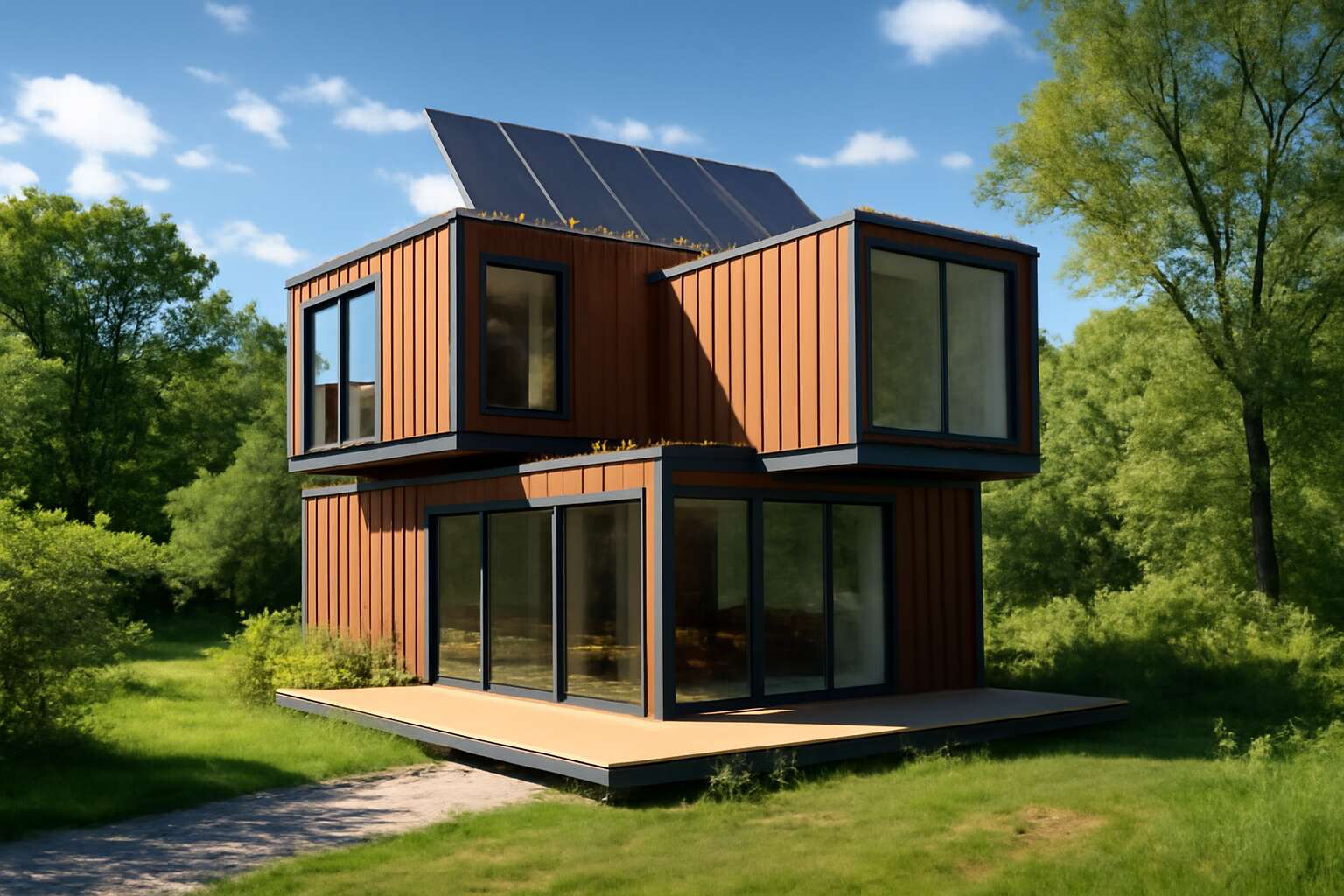
Benefits of Building a Home from Shipping Containers
Cost-Effectiveness and Affordability
In a world where housing costs escalate at an alarming rate, the allure of building a shipping containers home offers a tantalizingly pragmatic solution. The initial investment is remarkably lower than traditional construction, transforming what once seemed like an impractical idea into a viable reality. This cost-effectiveness isn’t merely about the price of materials; it’s rooted in the efficiency of repurposing industrial assets, turning steel boxes into sanctuaries of comfort and innovation.
What truly sets shipping containers home apart is their affordability—an aspect that resonates deeply amidst South Africa’s fluctuating economy. The modular nature of container homes allows for scalable expansion, meaning homeowners can start small and gradually enhance their living space without breaking the bank. This flexibility ensures that a stylish, durable dwelling remains within reach for many, making the dream of owning a custom-built home more accessible than ever.
- Reduced construction time
- Lower labor costs
- Minimized waste and environmental impact
Sustainability and Eco-Friendliness
Amidst the vibrant tapestry of South Africa’s landscape, building a shipping containers home emerges as a beacon of sustainability, blending innovation with ecological consciousness. Each steel vessel, once a symbol of industrial prowess, now takes on a new life—one that champions eco-friendliness at its core. The transformation process minimizes waste, repurposing materials that would otherwise contribute to environmental degradation, making it a truly sustainable choice.
Furthermore, the durability of shipping containers inherently supports eco-conscious living. Their robust steel structure offers insulation and protection, reducing the need for excessive energy consumption. This resilience ensures that a shipping containers home can stand the test of time, weathering the elements while maintaining minimal environmental impact. Embracing this approach fosters a harmonious relationship with the environment, proving that innovation and sustainability can coexist beautifully.
Durability and Safety
Steel, once the hallmark of industrial strength, now serves as the backbone of resilient living. Building a shipping containers home offers unparalleled durability that withstands South Africa’s diverse climate, from the scorching Karoo heat to coastal humidity. These containers are engineered to endure, providing a safe sanctuary that is both robust and reliable. Their inherent strength ensures that your home remains steadfast against natural elements and the test of time.
Safety is woven into the very fabric of shipping containers. Their reinforced steel walls act as a formidable barrier, offering enhanced security and protection from external threats. This resilience isn’t just physical— it fosters peace of mind, knowing your home is built on a foundation of uncompromising strength. Moreover, the modular nature of shipping containers allows for flexible design, creating a space that’s both secure and adaptable to your unique needs.
In essence, choosing a shipping containers home isn’t merely about innovation; it’s about embracing a lifestyle rooted in safety, durability, and longevity. The strength of these steel vessels transforms them into fortresses of modern living, perfectly suited for those who seek stability amidst the unpredictable rhythms of nature.
Flexibility in Design and Customization
Imagine transforming a simple steel box into a bespoke sanctuary that reflects your personal style and needs. Building a shipping containers home unlocks a world of design possibilities, where imagination takes center stage. The modular nature of these structures means you can craft a home that’s as unique as your fingerprint, blending aesthetics with functionality seamlessly.
One of the most compelling benefits of a shipping containers home is the unparalleled flexibility in design and customization. Whether you envision a sleek, modern retreat or a cozy, rustic haven, the container’s structure can be adapted to fit your vision. From open-plan living spaces to multi-level layouts, the only limit is your imagination. The ability to add windows, doors, balconies, or even rooftop gardens means creating a living space that’s not only practical but also inspiring.
In South Africa’s diverse landscape, this adaptability becomes a game-changer. You can tailor your shipping containers home to withstand local climates or integrate eco-friendly features that enhance sustainability. For example, strategic placement of natural ventilation or solar panels can be seamlessly incorporated into the design. This level of customization ensures your home is perfectly suited for the environment and your lifestyle, making it a true reflection of your dreams and needs.
Rapid Construction Timeline
In a world where time often feels like a luxury we can’t afford, the rapid construction timeline of a shipping containers home offers a compelling escape. Unlike traditional building methods that stretch over months or even years, transforming a steel box into a livable space can be remarkably swift. This accelerated process not only minimizes disruptions but also preserves the essence of human spontaneity—our innate desire to create quickly and purposefully.
Building a shipping containers home often involves modular assembly, where prefabricated sections are efficiently transported and installed. This streamlined approach means that, in many cases, a complete dwelling can be ready within a matter of weeks. For South Africans seeking swift shelter or a quick investment return, this speed provides tangible benefits—less waiting, more living.
Additionally, the condensed timeline fosters a sense of immediacy and ownership. It transforms the abstract dream of owning a bespoke home into a tangible reality far sooner than traditional construction allows. This accelerated process underscores the profound human need for immediacy—our desire to shape our environment swiftly, yet meaningfully. The shipping containers home stands as a testament to this pursuit, blending innovation with human resilience and purpose.
Design Ideas and Architectural Styles for Shipping Container Homes
Modern Minimalist Designs
When it comes to shipping containers home, the possibilities for design ideas and architectural styles are virtually limitless. Modern minimalist designs are especially popular, emphasizing clean lines, open spaces, and functional simplicity. These homes often feature large windows that flood interiors with natural light, creating a seamless connection between indoor and outdoor living. The beauty of a shipping containers home lies in its versatility—each container can be transformed into a sleek living space with thoughtful layout planning.
Architectural styles for shipping containers home range from ultra-contemporary to rustic-industrial. Some homeowners opt for stacked containers to form multi-level structures, while others prefer a single, streamlined unit. To enhance aesthetic appeal and functionality, consider strategic placement of doors and windows, along with eco-friendly materials that complement the container’s industrial charm. Whether you’re after a cozy retreat or a spacious family home, exploring different design ideas can unlock a truly unique living experience.
Rustic and Industrial Aesthetics
Rustic and industrial aesthetics breathe a raw, authentic soul into shipping containers home designs, transforming utilitarian metal into inviting living spaces that resonate with character. These styles celebrate the container’s innate industrial charm—exposed steel beams, distressed finishes, and raw textures—creating a visual dialogue between ruggedness and comfort. It’s a bold choice, one that reflects a desire for authenticity in a world obsessed with perfection.
Incorporating natural materials like reclaimed wood and exposed brick can soften the starkness of the industrial look, forging a harmonious balance that feels both grounded and innovative. The beauty of this aesthetic lies in its versatility; a shipping containers home can evoke a cozy cabin in the woods or a sleek, urban loft, depending on your vision. To enhance the aesthetic appeal and functionality, strategic placement of doors and windows—perhaps large, panoramic panes—can flood interiors with natural light, emphasizing the connection to the surrounding environment.
For those eager to explore these design ideas, consider stacking containers in
- multi-level configurations
- creating expansive terraces
or leaving some sections open for outdoor living. The industrial charm paired with rustic elements offers a living space that is both resilient and deeply personal, an ode to sustainability and craftsmanship. A shipping containers home, in this style, becomes more than just a dwelling; it’s a statement of resilience and aesthetic daring.
Multi-Container Configurations
When it comes to designing a shipping containers home, the possibilities are as vast as the horizon itself. Multi-container configurations unlock a world of architectural innovation, allowing homeowners to craft spaces that are both functional and visually striking. Imagine stacking containers to create multi-level homes—each level offering new perspectives and spatial experiences. This approach not only maximizes available land but also introduces an element of architectural intrigue that captivates the eye.
Architectural styles for shipping containers home vary from ultra-modern to rustic charm, often blending styles seamlessly. For example, combining sleek glass panels with raw steel exteriors can produce an urban loft aesthetic, while integrating reclaimed wood and exposed brick can evoke warmth and authenticity. The strategic placement of doors and windows, especially large panoramic panes, amplifies natural light and fosters a profound connection to the environment—a hallmark of innovative container living.
- Vertical stacking for multi-level living spaces
- Creating open-plan interiors with flexible layouts
- Designing outdoor terraces that extend the living area
This approach transforms a shipping containers home from mere shelter into an expressive architectural statement—resilient, sustainable, and uniquely personal. Each configuration offers a new canvas, inviting homeowners to explore unconventional design ideas that challenge traditional notions of home construction.
Integrating Outdoor Spaces
Design ideas for a shipping containers home are as diverse as the South African landscape itself. Integrating outdoor spaces creates a seamless flow between indoors and out, making every square meter count. Imagine a sleek, modern design with glass walls that open onto a lush garden or a rustic, industrial look complemented by a cozy outdoor patio. The key is to maximize natural light and fresh air, transforming your shipping containers home into a true sanctuary.
Architectural styles vary widely, from minimalist urban chic to warm, earthy aesthetics. Combining different styles adds character and functionality. For example, a multi-level shipping containers home with rooftop terraces offers spectacular views and outdoor living space. Incorporating large panoramic windows or sliding glass doors enhances natural illumination and creates a sense of openness. Whether blending reclaimed wood accents or sleek steel finishes, each design can be customized to reflect personal taste while embracing sustainability.
Ultimately, integrating outdoor spaces into your shipping containers home elevates the living experience. It turns a simple structure into a vibrant, personal retreat—resilient, innovative, and perfectly suited for any South African environment.
Interior Layout Optimization
Design ideas for a shipping containers home reveal a world of endless possibilities, each more captivating than the last. Interior layout optimization is paramount, transforming compact spaces into luxurious sanctuaries. Clever use of vertical space, open-plan living, and multi-functional furniture can make a significant difference, ensuring every square meter is utilized with grace and purpose. In South Africa’s diverse climate, thoughtful layout choices—such as sliding glass doors that connect indoor comfort with outdoor beauty—are essential.
Architectural styles for shipping containers homes are equally versatile, ranging from sleek, modern minimalism to warm, rustic charm. To create a harmonious aesthetic, consider blending elements like reclaimed wood accents with steel finishes, or integrating panoramic windows that flood interiors with natural light. For those craving a dynamic environment, multi-container configurations with rooftop terraces add spectacular outdoor living spaces and panoramic views. Such designs not only elevate the visual appeal but also enhance functional living in any South African setting.
Key Factors to Consider Before Building a Shipping Container Home
Site Selection and Zoning Regulations
Before diving into the world of shipping containers home construction, it’s crucial to get your site selection and zoning regulations right—think of it as planting the seed for your dream home. South Africa’s diverse landscape and layered zoning laws can turn a straightforward project into a maze of red tape faster than you can say “container conversion.”
Location is everything—choose a site that not only offers scenic views or proximity to amenities but also aligns with local zoning laws. Some areas have strict restrictions on shipping containers home, especially if they’re perceived as industrial eyesores rather than innovative residences. Be sure to research whether you need special permits or if your planned container setup qualifies as a legal dwelling.
Remember, zoning regulations can specify setbacks, height restrictions, and even aesthetic standards. To streamline your journey, consider consulting with local authorities or zoning experts who can clarify what’s permissible. Here’s a quick rundown of what to keep in mind:
- Local zoning laws and building codes
- Restrictions on the height and size of shipping containers home
- Permitting requirements for residential use
- Environmental impact assessments, if applicable
- Proximity to utilities and access roads
Landing on a site that ticks all these boxes can save you from costly surprises down the line—because nothing kills the buzz of a shipping containers home faster than legal headaches! So, do your homework and choose wisely; your future eco-friendly, modern abode depends on it.
Structural Modifications and Reinforcements
When transforming a humble shipping container into a cozy, functional home, a little structural wizardry goes a long way. Unlike your average house, a shipping containers home demands careful planning around modifications and reinforcements—think of it as giving your new abode a superhero suit. Without proper reinforcement, those steel walls might crumple under the weight of your Pinterest-perfect interior design.
Key factors to consider include the load-bearing capacity and how to best cut openings for windows and doors without compromising structural integrity. It’s not as simple as slicing a cake; each cut could weaken the whole shell. To avoid a ‘collapse’ situation, consider:
- Installing cross-bracing to stabilize the frame
- Reinforcing corners and seams where stress concentrates
- Using high-grade steel or steel plates for added strength
Remember, the goal is to create a shipping containers home that’s not just stylish but also resilient and safe. Structural modifications should always be handled by professionals with experience in container architecture—because no one wants their chic eco-home to turn into a DIY disaster!
Insulation and Climate Control
Within the vast realm of creating a shipping containers home, one element often overlooked but profoundly vital is insulation and climate control. South Africa’s diverse climate, from scorching desert heat to subtropical humidity, demands a tailored approach to keep your eco-home comfortable year-round. Proper insulation acts as a magical barrier, transforming a steel shell into a cozy sanctuary, shielding inhabitants from the relentless sun and biting cold.
Choosing the right insulation material is crucial. Options range from spray foam to mineral wool, each offering unique benefits for temperature regulation and soundproofing. The goal is to achieve an interior environment that remains temperate, no matter the external whims. To optimize this process, consider:
- Assessing the local climate’s extremes to select suitable insulation types
- Installing vapor barriers to prevent condensation and mold growth
- Integrating efficient climate control systems such as heat pumps or ceiling fans
Remember, a shipping containers home isn’t merely about aesthetics; it’s about crafting a resilient, sustainable haven. Proper insulation and climate control elevate your eco-home from a mere structural marvel to a sanctuary that beckons relaxation even amidst South Africa’s unpredictable weather patterns.
Foundation and Foundation Alternatives
Establishing a resilient foundation for a shipping containers home is akin to laying the groundwork for a sanctuary that endures against nature’s unpredictable temperament. In South Africa’s diverse landscape, where seismic activity, soil stability, and drainage vary dramatically, understanding the key factors before constructing your shipping containers home is paramount. The integrity of the entire project hinges on selecting a foundation that not only bears the weight but also adapts gracefully over time.
One must consider the terrain—whether it’s a rocky hillside, expansive flat plains, or marshy lowlands—each demands a tailored approach. For instance, a concrete slab might suffice on stable soil, but a pier or pile foundation could be essential in softer, more unstable grounds. Moreover, the local climate’s influence cannot be overstated; areas prone to heavy rainfall or flooding necessitate elevated or reinforced solutions.
In some cases, innovative foundation alternatives like screw piles or modular stilts may offer the flexibility and durability needed to support a shipping containers home without compromising stability. These options not only facilitate quicker installation but also allow for future modifications or relocations, echoing the adaptable nature of container architecture itself.
Utility Connections and Utilities Integration
When embarking on the journey to create a shipping containers home, the dance of utility connections must be choreographed with precision and foresight. The essence of a truly harmonious living space lies in seamlessly integrating water, electricity, and sewage systems—like roots weaving through fertile soil, anchoring your vision into reality.
In South Africa’s vibrant landscape, where terrain and climate shift as dramatically as the seasons, careful planning becomes essential. Do not overlook the importance of assessing local zoning laws and the proximity to existing infrastructure. This ensures your shipping containers home is not only a haven of comfort but also a beacon of compliance and efficiency.
Consider the following elements vital to your utility integration:
- Accessibility to municipal water and sewage lines
- Reliable electrical supply with potential for renewable energy sources
- Stormwater drainage and flood protection measures
These factors, woven into your blueprint, transform a mere container into a sanctuary that breathes with life and resilience, ready to withstand South Africa’s capricious weather and rugged terrains.
Steps to Build Your Shipping Container Home
Planning and Budgeting
Building a shipping containers home is a journey that begins with meticulous planning and budgeting—an art that transforms raw steel into a sanctuary. Imagine the thrill of masterminding a space that reflects both innovation and sustainability, but it all hinges on a clear vision and financial foresight.
In the initial stages, envision a blueprint that captures your lifestyle dreams while aligning with your budget. This is where a comprehensive planning process becomes essential. Consider these steps:
- Assess your desired design and layout, ensuring it complements your site and personal aesthetic.
- Account for necessary structural modifications, insulation, and utility connections—each influencing your budget.
- Research local zoning regulations and permits, which can impact timeline and costs.
To prevent surprises, create a detailed budget that encompasses materials, labor, and unforeseen expenses. When the foundation and site selection are aligned with your financial plan, your shipping containers home moves from a concept into a tangible, enchanting reality—crafted with precision, passion, and purpose.
Design and Permitting
Building a shipping containers home is both an art and a science—each step requiring careful attention to detail and a touch of visionary flair. Once your design concept is clear, navigating the permitting process becomes the next critical phase. This involves understanding local zoning regulations and securing the necessary permits, which can vary significantly depending on your site in South Africa.
To streamline this, it’s wise to consult with local authorities early on, ensuring your shipping containers home aligns with legal requirements. Typically, this includes submitting detailed plans that illustrate your desired layout, structural reinforcements, and utility integrations. Some regions may demand specific modifications or additional permits, especially if you’re planning multi-container configurations or integrating outdoor spaces.
- Research zoning laws relevant to your location
- Gather all necessary documentation and blueprints
- Engage with local building inspectors for guidance
- Secure permits before commencing construction
This thorough approach not only keeps your project on track but also transforms the process into a seamless journey from concept to completion. A well-permitted shipping containers home in South Africa becomes more than just a sustainable sanctuary—it becomes an emblem of innovative living.
Sourcing Shipping Containers
In the pursuit of transforming industrial relics into sanctuaries, sourcing the perfect shipping containers for your home becomes a delicate dance between practicality and vision. South Africa’s burgeoning demand for eco-conscious living spaces fuels a vibrant market, yet the true artistry lies in selecting containers that meet both aesthetic and structural criteria. It’s essential to scrutinize the container’s condition—look for signs of corrosion, previous usage, and structural integrity—before committing to a purchase.
Often, sourcing shipping containers home involves navigating a labyrinth of suppliers, from local vendors to international exporters. Establishing relationships with reputable suppliers ensures access to high-quality containers that can withstand the temperamental South African climate. For those seeking a seamless process, consider sourcing containers that are specifically designed for modification, with reinforced steel and minimal previous damage. This foresight not only preserves the integrity of your future home but also expedites the transformation process.
Some enthusiasts opt for a combination of new and refurbished containers, balancing cost-efficiency with durability. Engaging with specialized shipping container suppliers who understand the nuances of container refurbishment in South Africa can be a game-changer. Remember, the foundation of your shipping containers home hinges on the initial quality of the containers—choosing wisely today paves the way for a resilient, innovative dwelling tomorrow.
Construction Process
Building a shipping containers home transforms raw steel into a haven that whispers both resilience and creativity. The construction process begins with a careful orchestration of steps, each vital in shaping your dream into tangible form.
First, foundation preparation is paramount—whether pouring a concrete slab or exploring innovative foundation alternatives, stability is the bedrock of your shipping containers home. Next, structural modifications and reinforcements come into play, ensuring the container’s integrity withstands South Africa’s diverse climate. Once the shell is secured, insulation and climate control systems are integrated seamlessly, turning cold steel into a cozy sanctuary.
Progressing further, utility connections—water, electricity, and sewage—are woven into the design, blending functionality with aesthetic appeal. Throughout this journey, planning and permitting act as guiding stars, aligning your vision with local regulations. With each step, the magic of transforming a shipping container into a home becomes clearer: a harmonious blend of engineering precision and artistic flair.
Finishing Touches and Interior Design
As the finishing touches are carefully applied, the transformation from rugged steel shell to inviting haven reaches its crescendo. Interior design for a shipping containers home is an intricate dance—balancing form and function with an eye for detail that elevates the space from mere shelter to a sanctuary of personality and comfort. Every element, from selecting durable yet stylish flooring to choosing eco-friendly paints, contributes to the narrative of your unique abode.
In this phase, the focus shifts to creating a harmonious flow within the space. Thoughtful layout optimization ensures every square meter serves a purpose, embracing open-plan concepts or segmented zones that cater to your lifestyle. For those seeking to infuse warmth into industrial aesthetics, adding textured textiles and bespoke lighting fixtures can dramatically alter the ambiance, transforming the cold steel into a cozy retreat.
- Custom cabinetry
- Smart home automation
- Eco-conscious furnishings
are just a few options to enhance functionality while maintaining style.
With interior design, the goal is to foster a sense of connection—both to the environment and within the home itself. It’s about layering each space with personality, making the shipping containers home not just a structure, but a reflection of its inhabitants’ soul. Every detail, from the placement of windows to the choice of statement art pieces, weaves together an environment that is both resilient and deeply personal, echoing the innovative spirit that defines shipping containers home construction in South Africa.
Cost Analysis of Shipping Container Homes
Initial Purchase and Delivery Costs
Embarking on the journey to create a shipping containers home is akin to transforming raw steel into a sanctuary—a feat that balances vision with fiscal reality. The initial purchase cost of a shipping container can vary widely, influenced by size, condition, and custom modifications. A standard 20-foot container might start at a modest figure, yet when you add the costs of delivery, the landscape shifts dramatically. Shipping a container across South Africa’s diverse terrains demands meticulous planning and often incurs additional fees, especially if the site is remote or requires specialized transportation.
To truly grasp the financial landscape of your shipping containers home project, consider this breakdown:
- Container price (based on size and condition)
- Transportation and delivery fees
- Site-specific logistics and permits
Understanding these components ensures your budget is a reliable compass. After all, the allure of a shipping containers home is not merely its aesthetic appeal but the harmony between dream and dollar—a delicate dance that demands clarity from the outset. The careful calculation of initial purchase and delivery costs lays the foundation for a project that is both feasible and inspiring, transforming steel into a haven that stands resilient amidst South Africa’s ever-changing landscape.
Conversion and Modification Expenses
Transforming a shipping containers home from raw steel into a cozy sanctuary involves more than just the initial investment. The conversion and modification expenses often account for a significant portion of the overall budget, and understanding these costs is essential for a successful project. Every detail, from insulation to custom finishes, contributes to the final price tag. In South Africa’s unique landscape, these costs can fluctuate depending on the complexity of the design and the scale of modifications.
Essentially, the expenses break down into key categories that demand careful consideration. For example, structural reinforcements and modifications to support additional floors or large windows can quickly escalate costs. Similarly, interior customization—such as installing eco-friendly insulation or upgrading utilities—adds layers of expense but also elevates the comfort and sustainability of your shipping containers home.
To better understand the scope, consider these common modification areas:
- Structural reinforcements for stability
- Customization of interior layouts
- Insulation and climate control solutions
- Utility and plumbing upgrades
Each of these components not only influences the budget but also shapes the character of your home. When planning your shipping containers home in South Africa, balancing the desire for innovative design with practical expenses is key—after all, creating a space that resonates with both beauty and resilience requires diligent financial foresight.
Interior Finishing and Furnishing Budget
When budgeting for a shipping containers home, interior finishing and furnishing costs can be surprisingly impactful. These expenses often represent a significant portion of the overall project, especially when aiming for a balance between style, comfort, and durability. In South Africa, where climate and local sourcing influence material choices, understanding the cost breakdown becomes essential for realistic planning.
The interior finishing phase involves more than just aesthetics; it’s about creating a livable, energy-efficient space. Key elements such as flooring, wall treatments, and lighting can quickly add up. Additionally, furnishing your shipping containers home with eco-friendly, locally sourced materials not only reduces costs but also supports sustainability efforts.
- Choosing durable yet affordable furniture options
- Incorporating multi-functional pieces to maximize space
- Opting for sustainable materials that withstand South Africa’s diverse climate
By carefully analyzing these components, homeowners can craft a cozy, resilient home that reflects their unique needs without overspending. In the end, the right balance between interior finishes and furnishings ensures your shipping containers home becomes a true sanctuary—beautiful, functional, and built to last.
Maintenance and Long-term Costs
Owning a shipping containers home is an exciting step towards sustainable living, but understanding the long-term costs is crucial for making it a reality. Maintenance expenses, such as rust prevention and insulation upkeep, can accumulate over time, especially given South Africa’s diverse climate zones. Regular inspections and prompt repairs keep the structure resilient and safe, preventing costly damages down the line.
Long-term costs also include utility bills, which vary depending on the efficiency of your home’s design. Proper insulation and energy-efficient systems can significantly reduce these expenses, helping you enjoy a comfortable space without breaking the bank. To illustrate, consider this typical breakdown of ongoing costs:
- Routine maintenance and repairs
- Utility and energy bills
- Insurance premiums for structural protection
- Periodic upgrades to sustain durability
By carefully managing these elements, homeowners can ensure that their shipping containers home remains as functional and inviting as the day it was built—standing strong through the years and weathering South Africa’s unpredictable seasons with grace. A well-maintained shipping containers home not only offers peace of mind but also a genuine sense of accomplishment in embracing sustainable, innovative living.
Challenges and Limitations of Shipping Container Homes
Permitting and Building Codes
Building a shipping containers home isn’t without its hurdles. Permitting and building codes can be a maze, especially since many local authorities are still catching up with this innovative housing trend. In South Africa, navigating zoning regulations and obtaining the necessary permits can slow down progress and inflate costs.
One major challenge is ensuring the structure complies with safety standards and building regulations. This often requires structural modifications and reinforcements, which can be complex and costly. Additionally, some regions impose restrictions on building types or require special inspections, making the process even more intricate.
- Obtaining permits can involve lengthy approval processes
- Adapting shipping containers home to meet local safety standards
- Navigating zoning laws that restrict unconventional structures
Many homeowners find that securing the right permits demands patience and expert knowledge. Without proper adherence, future legal issues or costly modifications are inevitable. This highlights the importance of thorough planning and working with experienced professionals familiar with local regulations.
Insulation and Climate Control Issues
One of the most insidious challenges of constructing a shipping containers home is managing insulation and climate control. Shipping containers are inherently metal, which makes them prone to extreme temperature swings—hot in summer, freezing in winter. Without proper insulation, these homes can become uncomfortable and energy-intensive to maintain. The process of integrating effective insulation often involves complex modifications that can significantly inflate costs and extend construction timelines.
Furthermore, climate control isn’t just about comfort; it’s about safety. Excessive heat can lead to condensation and mold growth, jeopardizing structural integrity. Conversely, inadequate insulation can cause frostbite-like conditions during South Africa’s colder months. To combat this, many owners turn to advanced insulation materials such as spray foam or structural insulated panels, but these add layers of complexity to the build.
Additionally, some regions impose strict building standards for energy efficiency, forcing homeowners to incorporate sophisticated climate control systems into their shipping containers home. This often requires a delicate balance between cost, performance, and compliance, making the insulation and climate control phase one of the most critical—and challenging—parts of the journey.
Limited Space and Layout Constraints
Living in a shipping containers home sounds like a dream—minimalist, eco-friendly, and undeniably stylish. But before you start envisioning your new life, it’s essential to acknowledge one major hurdle: limited space and layout constraints. Unlike traditional houses, shipping containers have rigid, boxy dimensions that can turn creative design into a game of Tetris. Achieving a functional flow often demands innovative thinking and meticulous planning.
Flexibility in design is possible, but it’s not without its quirks. For example, stacking containers or creating multi-container configurations can maximize square footage, yet each addition brings structural complexities. Navigating site-specific zoning regulations and ensuring proper access for utility connections can further complicate the layout process. Sometimes, a single container just isn’t enough, and expanding your shipping containers home involves not only physical space but also a strategic layout plan.
- Limited open-plan options due to container dimensions
- Challenges integrating natural light and ventilation
- Restrictions on internal partitioning and load-bearing walls
In the end, while shipping containers home offers a fresh take on living, the spatial limitations demand a balance of ingenuity and practicality—making it one of the most fascinating puzzles in modern construction.
Potential Structural Issues
While the allure of a shipping containers home is undeniable — blending modern minimalism with eco-conscious living — potential structural issues can pose significant challenges. The rigid steel structure, while durable, isn’t inherently designed for residential use. Over time, stress points may develop, especially if modifications aren’t meticulously planned. This can lead to issues like warping or corrosion, which threaten the long-term integrity of your shipping containers home.
Building within the confines of a shipping container demands careful reinforcement. For instance, removing internal walls or creating large openings for windows can compromise the container’s load-bearing capacity. Structural reinforcements, such as steel braces or additional framing, are often essential to maintain safety and stability. Ignoring these aspects can result in costly repairs down the line, and sometimes, the only solution involves extensive custom modifications.
In some cases, the natural tendency of steel to expand and contract with temperature fluctuations can lead to cracks or structural fatigue. Proper insulation and climate control are vital, but they must be integrated without sacrificing the container’s structural integrity. A well-designed shipping containers home balances aesthetic appeal with these inherent limitations, ensuring longevity and safety for its inhabitants.
Resale and Market Value
While the allure of a shipping containers home captivates many, its resale and market value often cast a long shadow of uncertainty. Unlike traditional properties, these innovative dwellings occupy a niche that can both enchant and perplex potential buyers. The market for shipping containers home remains a dynamic landscape—sometimes thriving, sometimes hesitant—reflecting shifting perceptions of durability, aesthetics, and regulatory acceptance.
Factors such as location, design flexibility, and adherence to local zoning laws influence resale value profoundly. Although a shipping containers home can boast sustainability and rapid construction, its market appeal may diminish if buyers perceive limited long-term appreciation or face difficulties with utility connections and permits. In South Africa’s emerging eco-conscious market, understanding these nuances is crucial, as the resale value hinges on both the home’s craftsmanship and its acceptance within the broader housing ecosystem.
- Market perception and buyer familiarity
- Regulatory hurdles and zoning restrictions
- Long-term durability and maintenance costs
Ultimately, the resale journey of a shipping containers home is a delicate dance—balancing innovation with market realities, and aesthetic appeal with legal compliance. A thoughtful approach to design, location, and community integration can tip the scales toward a more promising resale outlook, ensuring that the dream of living within a transformed steel vessel remains resilient in the ever-changing housing landscape.
Real-Life Shipping Container Home Projects and Case Studies
Innovative Designs Around the World
Across the globe, visionary architects and resourceful homeowners alike have transformed humble shipping containers home into breathtaking sanctuaries. From the sun-drenched coastlines of South Africa to the bustling urban jungles of Europe, these projects demonstrate the boundless potential of repurposed steel. One striking example is the innovative use of multi-container configurations that stack and interlock, creating a dynamic interplay of space and form—an ode to modern minimalism fused with industrial charm.
In Cape Town, a pioneering project blends rustic aesthetics with contemporary flair, showcasing how shipping containers home can morph into cozy retreats or vibrant city dwellings. Meanwhile, in distant lands, designers are pushing the envelope with towering, modular structures that challenge traditional notions of residential architecture. The ingenuity of these case studies underscores a universal truth: with thoughtful design and adaptive engineering, shipping containers home can be both a sustainable choice and a canvas for extraordinary creativity.
Sustainable Living Examples
Across the globe, inspiring stories of shipping containers home projects reveal a remarkable blend of innovation, sustainability, and aesthetic allure. In South Africa, a striking example is a coastal retreat crafted entirely from recycled shipping containers, seamlessly integrating outdoor living with modern comforts. These projects are not just about repurposing steel but about redefining what homes can be—dynamic spaces that resonate with environmental consciousness and architectural ingenuity.
One compelling case study involves a multi-container setup in Cape Town, where stacking and interlocking containers create a striking visual statement. This configuration maximizes space while maintaining a sleek, minimalist profile, proving that shipping containers home can be both functional and striking. From rustic-industrial exteriors to contemporary sanctuaries, these homes showcase how thoughtful design elevates the humble shipping container into a luxurious, eco-friendly haven.
In these pioneering examples, developers are pushing the boundaries of traditional residential architecture with towering, modular structures that challenge the status quo. Such innovative designs underscore the potential of shipping containers home to serve as sustainable solutions—offering rapid construction timelines and exceptional flexibility in customization. It’s a testament to the versatility inherent in shipping containers, transforming urban landscapes and remote retreats into visions of modern living.
- Adaptive engineering to enhance structural integrity
- Integration of outdoor spaces for a seamless indoor-outdoor flow
- Use of modular configurations for expansive, multi-unit developments
These projects are more than mere structures; they are a celebration of human creativity and a beacon for eco-conscious living, especially resonant in South Africa’s diverse environment. Shipping containers home prove that with innovation and precision, steel containers can become sanctuaries that honor both the planet and the pursuit of beauty. Truly, these case studies reveal a future where sustainable living and design excellence walk hand in hand—shaping homes that are as inspiring as they are eco-friendly.
Affordable Housing Initiatives
Across South Africa, innovative minds are transforming discarded shipping containers into inspiring residences, challenging perceptions of what home can be. These real-life shipping container home projects stand as compelling case studies in sustainable architecture, demonstrating that affordability and environmental responsibility can coexist seamlessly.
In Cape Town, community-driven initiatives have birthed affordable housing solutions by repurposing shipping containers into multi-unit developments. These projects not only address critical housing shortages but also serve as a testament to the potential of shipping containers home to foster social cohesion. The modular nature of these structures allows for rapid assembly, reducing construction time and minimizing disruption—an essential advantage in densely populated urban areas.
- Community integration through adaptable designs
- Utilization of existing zoning regulations to streamline development
- Creative spatial configurations maximizing limited land parcels
Such initiatives reveal a profound understanding: shipping containers home are more than mere containers—they are vessels of possibility, capable of reshaping societal landscapes. When combined with thoughtful engineering and strategic planning, these projects exemplify how eco-conscious, affordable housing can be achieved without sacrificing aesthetic appeal or structural integrity. As South Africa continues to grapple with housing challenges, these real-life case studies illuminate a future where sustainability and innovation walk hand in hand, transforming steel boxes into sanctuaries of hope and resilience.
Luxury Container Homes
Across South Africa, transformative visions are turning discarded shipping containers into inspiring homes, illuminating a path toward sustainable living. These real-life shipping container home projects exemplify how innovation can breathe new life into steel boxes, creating vibrant communities and redefining urban landscape possibilities. Each project is a testament to the potential of shipping containers home to blend durability with design ingenuity, proving that affordability and environmental responsibility can coexist seamlessly.
One striking example is a multi-unit development in Cape Town, where carefully curated adaptations have fostered social cohesion and rapid construction. The modular nature of these structures allows for creative spatial configurations, such as stacking containers or combining them with outdoor spaces to craft cozy, functional environments. This flexibility empowers developers and homeowners alike to maximize limited land parcels while adhering to zoning regulations, transforming compact plots into thriving hubs of innovation.
From rustic industrial aesthetics to sleek modern minimalism, these projects showcase a spectrum of possibilities, inspiring a wave of eco-conscious architecture across South Africa. Shipping containers home are not just containers—they are vessels of possibility, capable of shaping resilient communities and sustainable futures. As these case studies demonstrate, the marriage of strategic planning and imaginative design offers a compelling glimpse into the future of affordable, eco-friendly housing.
Lessons Learned from Past Projects
Throughout South Africa, innovative projects transforming discarded shipping containers into vibrant homes have become a testament to resilience and imagination. These real-life shipping containers home projects reveal a compelling narrative of adaptive reuse, where steel boxes evolve into haven-like spaces that challenge traditional notions of architecture. Each case study offers lessons in balancing structural integrity with aesthetic appeal, emphasizing that thoughtful design can turn limited space into an oasis of comfort and style.
One particularly striking project in Johannesburg demonstrates how multi-container configurations can maximize small plots, creating multi-level living environments that are both functional and visually captivating. These developments highlight the importance of proper site selection and zoning compliance, which are crucial for the seamless integration of shipping containers home into existing urban landscapes. Moreover, lessons learned from early efforts reveal the necessity of robust structural modifications and reinforcements to ensure safety and durability, especially in South Africa’s diverse climate zones.
Ultimately, these case studies underscore that incorporating outdoor spaces—such as rooftop gardens or shaded patios—can significantly enhance the living experience, transforming utilitarian steel into warm, inviting retreats. As each project unfolds, it becomes clear that the marriage of strategic planning with innovative design principles propels the shipping containers home movement forward, inspiring architects and homeowners alike to rethink the future of affordable, eco-friendly living in South Africa.
Sourcing Materials and Finding Professional Help
Where to Buy Shipping Containers
Securing the right materials is the foundation of transforming a shipping containers home into a masterpiece of modern living. When sourcing shipping containers, it’s essential to prioritize quality, ensuring they meet safety standards and are free from corrosion or structural damage. Many enthusiasts in South Africa turn to reputable suppliers who specialize in container sales, offering options that range from new, pristine containers to refurbished units with character and history. Finding professional help is equally vital; experienced contractors and container conversion specialists can navigate the nuances of structural modifications, insulation, and utility integration with finesse. Where to buy shipping containers for your dream project? Consider established suppliers, local distributors, or even online marketplaces that focus on eco-friendly and durable options. For a seamless experience, some opt for a curated list of trusted vendors that offer detailed specifications and delivery services, ensuring your container home begins with a solid foundation—both physically and logistically.
Choosing Architects and Contractors
Building a shipping containers home isn’t just about finding the right steel box; it’s about sourcing materials that stand the test of time and South Africa’s unpredictable climate. When hunting for shipping containers, prioritize quality—look for corrosion-resistant units and structural integrity. Many suppliers in South Africa offer a fascinating spectrum, from brand-new, pristine containers to those with a patina of history that adds character to your project. Choosing reputable vendors ensures your foundation isn’t just solid but also eco-friendly and durable, aligning with sustainable living goals.
But, even the best shipping containers home can falter without the right expertise. Finding professional help—be it architects or contractors—is crucial. They will help navigate structural modifications, insulation, and utility integration seamlessly. To streamline your project, consider working with specialists who have a proven track record in container conversions. A well-chosen team can transform your vision into reality faster than you can say “multi-container configuration,” ensuring safety, style, and functionality go hand-in-hand. After all, building a shipping containers home is a journey best undertaken with trusted guides along the way!
DIY vs Professional Construction
Sourcing the right materials for your shipping containers home is a pivotal step that can make or break the entire project. In South Africa, the market offers a diverse spectrum—from pristine, brand-new shipping containers to those with a seasoned patina that lends character and authenticity to your design. Prioritizing quality is essential; corrosion-resistant units with proven structural integrity ensure longevity, especially amidst unpredictable weather patterns. When selecting containers, seek reputable suppliers committed to eco-friendly practices, aligning your build with sustainable living goals.
Building a shipping containers home often raises the question: should you undertake the project yourself or hire professionals? While DIY approaches can be rewarding, they demand a thorough understanding of structural modifications, insulation, and utility integration. The complexity of converting shipping containers into livable spaces cannot be overstated—mistakes can compromise safety and durability.
- Structural reinforcements
- Insulation techniques
- Utility hookups
Engaging experienced architects and contractors with a proven track record in container conversions ensures a smoother process, reducing unforeseen hurdles and guaranteeing a high-quality outcome. Their expertise transforms a raw steel box into a harmonious extension of your lifestyle, blending style with safety in the most efficient manner.
Additional Materials and Tools Needed
Sourcing the right materials for your shipping containers home is akin to choosing the perfect ingredients for a gourmet meal—quality matters, and cutting corners can spoil the entire dish. In South Africa, options range from pristine, brand-new shipping containers to those with a weathered charm that adds character and authenticity. Prioritize corrosion-resistant units with proven structural integrity—after all, your shipping containers home needs to withstand the whims of unpredictable weather and the test of time.
Beyond the containers themselves, additional materials and tools are essential for a successful transformation. Think heavy-duty power drills, steel cutters, insulation materials, and robust welding equipment. For an efficient build, consider the following:
- Structural reinforcements
- High-quality insulation for climate control
- Utility hookup supplies for water, electricity, and sewage
Finding professional help is equally crucial. Engaging experienced architects and contractors with a proven track record in container conversions ensures your vision becomes reality without the pitfalls of DIY mishaps. Their expertise in structural modifications, insulation techniques, and utility integration transforms a cold steel box into a cozy, functional home. Working with reputable suppliers committed to eco-friendly practices also aligns your project with sustainable living goals—because saving the environment is the ultimate luxury.
When sourcing materials and finding professional help, remember: quality and experience are your allies. Skimping on either can turn a dream shipping containers home into a nightmare project. So, invest in reputable suppliers and seasoned specialists who understand the nuances of container architecture—your future self will thank you. After all, building a shipping containers home is not just about aesthetics; it’s about creating a durable, safe, and sustainable space that stands the test of time and trend.
Reputable Suppliers and Service Providers
Securing quality materials and professional expertise is the cornerstone of building a durable and aesthetically pleasing shipping containers home. In South Africa, reputable suppliers offer a diverse array of options, from pristine, brand-new shipping containers to those with a weathered charm that adds character and authenticity. Prioritizing corrosion-resistant units with proven structural integrity is essential—your shipping containers home must withstand the unpredictable elements of the local climate and stand the test of time.
Finding the right professional help is equally vital. Seasoned architects and contractors specializing in container conversions bring invaluable insight into structural modifications, insulation techniques, and utility integration. Engaging experienced service providers ensures your project progresses smoothly, avoiding costly pitfalls often associated with DIY approaches. Their expertise helps transform a cold steel box into a cozy, sustainable haven that aligns with your vision.
To streamline your sourcing process, consider this approach:
- Identify certified suppliers committed to eco-friendly practices.
- Evaluate the corrosion resistance and structural quality of containers.
- Collaborate with trusted professionals who understand the nuances of shipping containers home design.
Remember, investing in reputable suppliers and seasoned specialists not only guarantees quality but also supports sustainable building practices. When it comes to creating your ideal shipping containers home, quality materials and expert craftsmanship are the twin pillars that turn your vision into reality—making the journey as rewarding as the destination itself.
Environmental Impact and Eco-Friendly Practices
Recycling and Reusing Containers
Building a shipping containers home offers more than just a modern aesthetic; it also presents a compelling opportunity to champion environmental sustainability. Recycling and reusing shipping containers significantly reduce waste and minimize the demand for new construction materials. Each container diverted from landfills exemplifies a step toward a greener future, especially when repurposed into resilient homes that withstand the test of time.
Eco-friendly practices are at the heart of this innovative approach. Many enthusiasts advocate for using reclaimed containers, which not only cuts down on carbon footprint but also preserves natural resources. Embracing these sustainable methods aligns with global efforts to combat climate change and promotes environmentally responsible living. Moreover, integrating eco-conscious solutions such as solar energy and rainwater harvesting into a shipping containers home further enhances its sustainability profile.
- Recycling shipping containers reduces construction waste
- Reusing containers conserves natural resources
- Eco-friendly modifications lower energy consumption
Green Building Materials
Every year, millions of shipping containers are discarded after a single journey across oceans, yet many of these steel giants still hold immense potential. Transforming these containers into homes embodies a profound shift in our relationship with environmental impact. When we choose to build a shipping containers home, we actively reduce construction waste, giving new purpose to materials that might otherwise contribute to landfills. This act of reuse isn’t merely practical; it’s a moral stance—a declaration that sustainability isn’t optional but essential.
Incorporating eco-friendly practices elevates the concept of sustainable living within a shipping containers home. Reclaimed containers act as the backbone of a greener lifestyle, conserving natural resources and minimizing carbon footprints. Beyond repurposing, integrating green building materials—such as low-VOC paints, recycled insulation, and solar energy systems—further enhances environmental responsibility. These thoughtful modifications lower energy consumption, making your home not just a sanctuary but a statement against unnecessary waste. It’s a conscious choice—a commitment to honoring our planet while designing a space that’s resilient, adaptable, and fundamentally humane.
Energy Efficiency Strategies
Every choice we make echoes through the environment, especially when it comes to building a shipping containers home. Reusing these steel giants not only minimizes waste but actively reduces the demand for new construction materials. This act of repurposing transforms discarded containers into sanctuaries, turning environmental impact into a statement of purpose. By choosing a shipping containers home, you participate in a cycle of regeneration, where sustainability becomes an intrinsic part of daily life.
Energy efficiency is central to the ethos of eco-friendly shipping containers home design. Incorporating green building materials such as recycled insulation and low-VOC paints significantly lowers the home’s carbon footprint. Solar energy systems, in particular, serve as a cornerstone of sustainable living, harnessing South Africa’s abundant sunlight to power your home.
- Optimized insulation for climate control
- Smart ventilation systems to reduce energy loss
- Energy-efficient lighting and appliances
These strategies not only conserve natural resources but also foster a resilient, self-sufficient lifestyle that honors the planet’s finite limits. Every detail, from foundation choices to utility integration, becomes a conscious act of environmental stewardship, elevating the concept of a shipping containers home from mere shelter to an ethical sanctuary.
Integrating Renewable Energy Sources
Transforming discarded shipping containers into a striking home is more than just a design trend—it’s a bold statement about sustainable living. In South Africa, where abundant sunshine offers a natural boon, integrating renewable energy sources into your shipping containers home can dramatically reduce environmental impact. Harnessing solar power, for instance, transforms a simple structure into a self-sufficient sanctuary, minimizing reliance on fossil fuels and lowering your carbon footprint.
By adopting innovative eco-friendly practices, owners of shipping containers homes tap into a cycle of regeneration that benefits both the planet and their lifestyle. Solar panels can be seamlessly integrated into the roof, while wind turbines or biomass systems serve as supplementary energy sources. This multi-layered approach ensures your home remains resilient and eco-conscious, even during power outages or inclement weather. Such practices exemplify how modern shipping containers home design marries functionality with environmental responsibility, creating a living space that truly respects South Africa’s rich natural resources.
Reducing Waste During Construction
Constructing a shipping containers home with eco-friendly practices significantly reduces environmental impact. By focusing on waste reduction during the conversion process, homeowners can minimize landfill contributions and lower overall resource consumption. This approach aligns with South Africa’s commitment to sustainable development and responsible building.
One effective method is recycling and reusing containers, which prevents unnecessary demolition and disposal. Using green building materials not only enhances insulation but also promotes longevity and resilience. Incorporating sustainable materials ensures that the shipping containers home remains eco-conscious from start to finish.
Waste reduction can be achieved through careful planning and efficient use of materials. For instance, prefabricated components allow for minimal offcuts, while modular designs optimize space and materials. This not only curbs excess waste but also streamlines the construction timeline, making the process more sustainable and cost-effective.
Ultimately, adopting eco-friendly practices during the build fosters a cycle of regeneration. It demonstrates a commitment to preserving South Africa’s natural beauty while creating functional, stylish shipping containers homes that respect the environment. Every step taken toward sustainability in construction echoes a deeper respect for our planet’s resources.



0 Comments