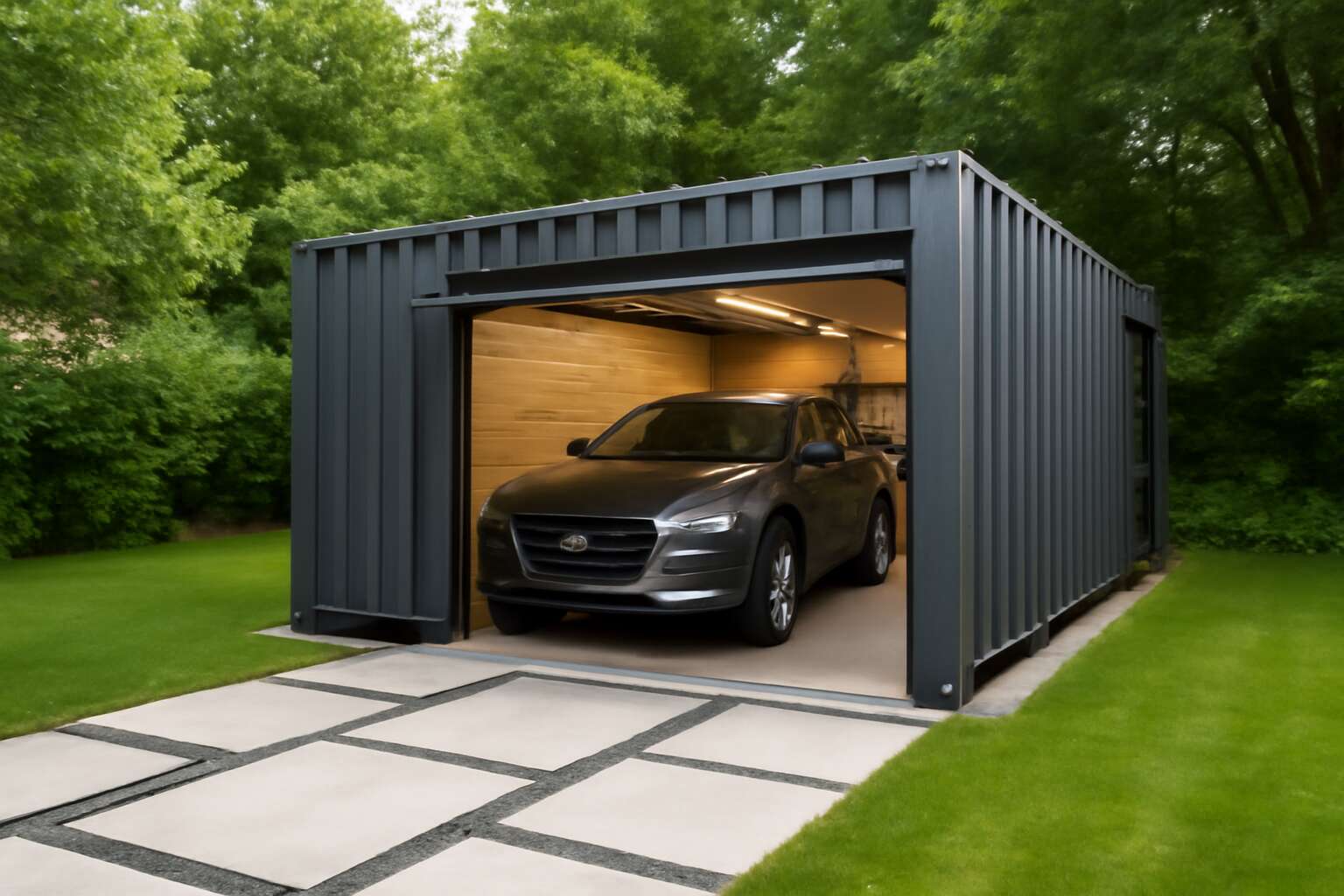
Benefits of Using Shipping Containers as Garages
Cost-Effective Alternative
In a landscape where innovation often intertwines with practicality, the allure of shipping containers as garages stands as a testament to resourcefulness. Nearly 70% of property owners in South Africa are now exploring cost-effective alternatives that challenge traditional construction paradigms. Shipping containers as garages offer an exceptional blend of durability and affordability, transforming a once utilitarian object into a bespoke sanctuary for vehicles and tools alike.
The intrinsic strength of steel, coupled with modular adaptability, renders shipping containers as garages an ideal choice for those seeking resilience against the unpredictable South African climate. Their rapid deployment not only slashes construction timelines but also significantly reduces overall expenses, making luxury-like protection accessible to a broader demographic. Additionally, the inherent versatility of these containers allows for customization—adding insulation, windows, or shelving—without the hefty price tag typically associated with conventional garages.
This approach champions an environmentally conscious ethos, recycling steel containers and reducing waste, while simultaneously delivering a striking visual statement. Embracing shipping containers as garages can be seen as a pragmatic yet innovative leap—one that marries sustainability with the desire for a personalized, secure space that adapts seamlessly to the needs of modern life.
Durability and Security
Durability and security are the twin pillars that elevate shipping containers as garages from mere utilitarian structures to fortresses of protection. Crafted from high-grade steel, these containers withstand the relentless assault of South Africa’s unpredictable climate—be it searing heat, torrential rains, or gusting winds. Their rugged exterior acts as an indomitable barrier, guarding vehicles and tools from theft and vandalism with an unwavering resolve.
What truly sets shipping containers as garages apart is their resilience. Reinforced steel walls create a sanctuary where belongings are shielded from both environmental hazards and intrusions. Moreover, their modular nature allows for tailored security features—such as lockable doors, reinforced windows, or alarm systems—to be seamlessly integrated, transforming each container into a bespoke fortress. This robust security does not compromise on flexibility; instead, it complements the versatility inherent in these structures, making them adaptable to various security needs and aesthetic preferences.
For property owners seeking peace of mind and long-lasting protection, shipping containers as garages offer an unmatched combination of strength and adaptability, ensuring that what matters most remains safe amidst the chaos of everyday life.
Customizability and Flexibility
In a landscape where adaptability often dictates the success of a structure, shipping containers as garages emerge as an unrivaled solution—almost like a canvas awaiting the artist’s touch. Their inherent modularity transforms these steel behemoths into bespoke sanctuaries, tailored precisely to the owner’s vision. This customizability breathes life into what might otherwise be perceived as utilitarian boxes, elevating them into personalized havens of security and style.
One of the most compelling advantages of using shipping containers as garages is their flexibility. These structures can be effortlessly expanded, reconfigured, or adorned with additional features to suit evolving needs. Whether it’s adding windows, installing shelving, or integrating advanced security systems, each modification is an extension of the owner’s intent—crafted with precision and purpose. The adaptability of shipping containers as garages ensures they remain relevant, regardless of shifting requirements or aesthetic preferences.
Additionally, their straightforward nature lends itself to creative customization, making them an ideal choice for those who desire a unique statement piece on their property. From vibrant paint finishes to customized entrances, the potential for personalization is virtually limitless. This capacity for transformation underscores one of the key benefits of choosing shipping containers as garages—profound flexibility married with a robust foundation.
Quick Installation Process
When time is of the essence, the quick installation process of shipping containers as garages becomes a game-changer. Unlike traditional structures that demand weeks of planning, permits, and construction delays, these steel giants arrive ready to transform your property almost overnight. Imagine the sense of relief when your new garage is secured and functional within days, not months.
This rapid deployment doesn’t just save time—it also minimizes disruption to your daily life. The modular design allows for straightforward placement, often requiring just a few skilled installers. For those in South Africa looking to enhance property value swiftly, shipping containers as garages offer a seamless solution that combines speed with strength.
Consider this: the installation process is so efficient that it leaves plenty of room for customization afterwards. Whether you want to add extra doors, windows, or even a mezzanine level, the foundation is already in place—ready to support your evolving needs. The ability to install a durable, secure garage in record time is one of the most compelling reasons to choose shipping containers as garages for your property.
Eco-Friendly and Recyclable
When it comes to eco-conscious building options, shipping containers as garages are a shining star—literally, if you imagine the planet giving a thumbs-up! These steel marvels are inherently recyclable, transforming from decommissioned cargo carriers into sleek, functional garages with minimal environmental fuss. Unlike traditional construction methods that gobble up resources and generate mountains of waste, repurposing shipping containers as garages keeps materials in circulation and reduces your carbon footprint. It’s like giving a second life to a container that was already on its way to retirement.
Plus, their recyclability isn’t just good for Mother Earth—it’s good for your wallet too! Recycling a shipping container as a garage means less landfill waste and a more sustainable approach to property enhancement. The eco-friendly benefits extend beyond just recycling, as the durable steel construction ensures longevity, reducing the need for frequent repairs or replacements. In a country like South Africa, where sustainability is becoming more than just a buzzword, choosing shipping containers as garages aligns perfectly with modern environmental values.
Types of Shipping Containers Suitable for Garages
Standard 20-Foot Containers
In the shadowed corners of modern innovation, standard 20-foot shipping containers stand as silent sentinels—an unlikely sanctuary for your prized possessions. These containers, with their formidable steel exteriors, are more than mere vessels for freight; they are the foundation of a durable, secure garage that melds functionality with an almost gothic elegance. Their size, perfect for compact spaces, offers ample room for vehicles, tools, and even a small workshop—transforming utilitarian steel into a fortress of protection against South Africa’s unpredictable elements.
The true allure of shipping containers as garages lies in their versatility. Their robust structure can be customized with doors, windows, and insulation—turning a simple steel box into a personalized haven. For those seeking adaptability, consider these options:
- Adding reinforced doors for enhanced security
- Incorporating ventilation to combat moisture
- Installing shelving units to maximize space
Whether nestled within a sprawling property or tucked away in an urban enclave, standard 20-foot shipping containers provide the perfect canvas for your garage dreams—dark, resilient, and endlessly adaptable.
Standard 40-Foot Containers
When considering the vast potential of shipping containers as garages, the 40-foot variant emerges as a compelling choice for those craving extra space and versatility. These containers, twice the length of their 20-foot counterparts, provide a grander canvas for customization, allowing homeowners to craft a truly bespoke sanctuary for their vehicles and tools. Their expansive interior can effortlessly accommodate larger vehicles or serve as an all-in-one workshop, making them ideal for those with ambitious visions.
The charm of a 40-foot shipping container as a garage lies in its adaptability. With a few thoughtful modifications, it transforms from a simple steel shell into a resilient fortress that withstands South Africa’s dynamic climate. For added security and comfort, consider incorporating reinforced doors, insulation, and ventilation systems. These elements ensure not only longevity but also a cozy, protected environment that elevates your property’s functionality and aesthetic appeal.
For those seeking to maximize their space efficiently, here’s a quick overview of the features that make 40-foot shipping containers an exceptional choice:
- Enhanced interior capacity to fit larger vehicles or multiple smaller ones
- Opportunities for bespoke customization with windows, insulation, and shelving
- Seamless integration into both urban and rural settings, thanks to their modular design
In essence, these containers offer a harmonious blend of rugged durability and elegant flexibility—ideal for transforming a utilitarian shipping container into a striking, practical garage that endures the test of time and elements alike.
High Cube Containers
Among the intriguing options for transforming shipping containers into garages, High Cube containers stand out as a top contender. These containers, with their increased height—typically about 1 foot taller than standard models—offer a spacious interior that feels almost like stepping into a small workshop or a cozy studio. Their extra height is perfect for accommodating larger vehicles or installing overhead storage, making them an ideal choice for those seeking a versatile and functional garage solution.
The beauty of High Cube containers lies in their ability to seamlessly blend practicality with adaptability. Their elevated design provides ample room for custom modifications—such as adding skylights or extra insulation—without sacrificing structural integrity. For those in South Africa looking to create a durable, secure, and spacious garage, these containers are an excellent option. Their increased internal volume ensures you have space to breathe, work, and store with ease, transforming a simple steel shell into a personalized haven for your prized possessions.
Modified Containers and Custom Options
When contemplating the transformation of shipping containers into garages, the choice of container type can significantly influence the final outcome. Modified containers and custom options stand out as the most versatile and adaptable, offering a canvas that can be tailored to meet specific needs and aesthetic preferences. These containers often undergo structural modifications, such as cutting out access points or adding windows, to seamlessly integrate into your property’s landscape. Their inherent flexibility makes them ideal for creating a unique, personalized garage solution that reflects your vision.
For those seeking to elevate their shipping containers as garages into a realm of endless possibilities, custom modifications are the key. From installing insulation to incorporating bespoke doorways, the options are virtually limitless. A popular choice among South African homeowners is the use of shipping containers as garages with added skylights or ventilation, transforming a simple steel shell into a bright, airy space perfect for working on projects or storing valuables securely. These tailored enhancements ensure that your shipping container garage is not just functional but also a captivating extension of your property.
In the realm of options, consider an ordered list of modifications that can turn a standard container into a bespoke garage:
- Custom doors and windows for easy access and natural light
- Insulation for temperature regulation and comfort
- Overhead storage solutions to maximize space
- Exterior finishes that blend with your environment
With such a broad spectrum of custom options, transforming shipping containers as garages into a statement of ingenuity and practicality has never been more achievable—especially for South African property owners eager to combine durability with design. The key lies in choosing the right container type and personalizing it to suit your unique needs, turning steel into a sanctuary for your prized possessions.
Design and Architecture Considerations
Insulation and Ventilation
When transforming shipping containers as garages into functional sanctuaries, thoughtful design and architecture are paramount. South African climates can swing from sun-drenched heat to sudden downpours, making proper insulation essential. Without it, your new garage might double as a giant heat trap or cold storage unit, neither of which is ideal for your prized possessions—or your peace of mind.
Ventilation, often overlooked, plays an equally critical role. An effective system prevents condensation and mould, which can erode the structural integrity of shipping containers as garages over time. Installing adjustable vents or exhaust fans ensures airflow remains steady, reducing humidity levels even during the hottest summer days.
Incorporating these considerations isn’t just about comfort; it’s about longevity. A well-ventilated, insulated shipping container garage not only looks sharp but also preserves your investment, proving that smart architecture is worth every rand spent. After all, a container might be a humble box, but with careful planning, it becomes a fortress tailored specifically to South Africa’s unique environment.
Foundation and Flooring
When transforming shipping containers as garages into resilient structures, the foundation and flooring are the silent warriors of longevity. South Africa’s unpredictable terrain demands a meticulous approach—one that ensures your container garage remains steadfast against shifting ground and seasonal shifts. A poorly chosen foundation can turn your sleek container into a wobbling relic before its time.
Typically, a concrete slab offers the best stability, providing a level surface that distributes weight evenly. For uneven terrain, a reinforced pier or beam foundation might be necessary, safeguarding against subsidence. The flooring inside your shipping containers as garages should also be considered—using durable, moisture-resistant materials like treated plywood or rubber mats can prevent sagging and water ingress.
- Proper drainage
- Vapor barriers
- Anti-corrosion treatments
are critical to protect the interior from South Africa’s humid coastal air or sudden downpours.
By paying close attention to these foundational elements, you’re not just constructing a garage—you’re creating a fortress that can withstand the relentless march of time and environment. Shipping containers as garages are more than a cost-effective solution; they are a testament to pragmatic innovation. The right foundation and flooring choices turn a humble box into a secure, lasting sanctuary for your prized possessions and passion projects alike.
Windows, Doors, and Access Points
Design and architecture are the backbone of transforming shipping containers as garages into functional, secure spaces. Proper placement of windows, doors, and access points can significantly enhance usability and security. South Africa’s diverse climate calls for careful planning—think well-ventilated openings to prevent condensation and robust access points for ease of use.
When selecting windows and doors, durability is paramount. Opt for steel-reinforced glass and corrosion-resistant frames that withstand coastal humidity and seasonal shifts. The placement of these features should maximize natural light while maintaining structural integrity. For added security, consider high-quality locks and reinforced frames—especially if the garage holds valuable tools or equipment.
To streamline the process, many opt for a mix of shipping containers as garages with custom access points. An ordered approach helps ensure each element aligns perfectly. For example:
- Positioning large roll-up doors for vehicle access
- Incorporating small windows for ventilation and light
- Adding security features like reinforced locks and bars
Ultimately, thoughtful design makes all the difference—turning a simple shipping container into a seamless, versatile garage ready to withstand South Africa’s environment and meet your specific needs.
Electrical and Plumbing Installations
Transforming shipping containers as garages into fully functional spaces requires more than just a sturdy shell. Electrical and plumbing installations are vital components that demand thoughtful integration into the design and architecture. In South Africa’s unpredictable climate, this step is crucial for ensuring comfort, safety, and long-term usability. Proper wiring must account for moisture-prone environments, especially near coastal regions, where corrosion can threaten electrical integrity.
Plumbing systems, often overlooked, can significantly enhance the versatility of shipping containers as garages—whether for washing vehicles, creating a workshop, or even adding a small kitchenette. A seamless approach involves planning for access points that facilitate future upgrades and maintenance. For example, embedding conduit pathways within the container’s structure ensures electrical systems are protected and easily accessible. Similarly, installing corrosion-resistant pipes guarantees durability, even in damp or humid conditions.
Incorporating these systems thoughtfully not only elevates the garage’s functionality but also aligns with the container’s inherent flexibility. Consider an ordered approach:
- Assessing load capacities for electrical circuits
- Designing plumbing layouts for optimal flow
- Implementing safety features such as circuit breakers and leak detection
to safeguard your investment and ensure seamless operation. When executed with precision, electrical and plumbing installations turn a simple shipping container into a resilient, multi-purpose garage—perfect for South Africa’s environment and your specific needs.
Aesthetic Enhancements and Exterior Finishes
Amidst the shadowed landscape of innovation, the transformation of shipping containers as garages emerges as a testament to both ingenuity and resilience. Architectural considerations become a dance between form and function, where aesthetic enhancements breathe new life into the cold steel shells. The exterior finish is no longer merely about protection; it’s an expression—an emblem of personality cloaked in industrial elegance.
Dark hues and textured surfaces can evoke a sense of mystery, while sleek, modern lines lend a contemporary edge. To elevate the visual impact, subtle accents like LED lighting or custom graphics can turn a utilitarian shell into a statement piece. When blending these elements, consider the environment—coastal regions demand corrosion-resistant finishes that withstand South Africa’s unpredictable climate.
For those yearning to craft a truly captivating space, incorporating architectural features such as overhangs, decorative panels, or innovative window placements can transform a humble shipping container as garages into a work of art. The ultimate goal is harmony—where design and durability coalesce, creating an enclave that’s as functional as it is captivating.
Installation and Setup Process
Site Preparation and Foundation Laying
Transforming shipping containers as garages isn’t just about repurposing metal; it’s about creating a resilient and functional space that withstands the South African elements. The installation and setup process begins with meticulous site preparation. Clearing the land and ensuring proper drainage set the foundation for a smooth build. Once the site is ready, laying a solid foundation is crucial to support the weight of the container and prevent shifting over time. Often, a concrete slab or pier footing is used, providing stability and longevity for the structure.
During setup, attention to detail is vital—aligning the container perfectly and securing it firmly. Some projects incorporate a simple, yet effective, step-by-step approach, which might include:
- Leveling the ground surface
- Constructing a reinforced base
- Positioning the container with crane assistance
- Securing the container to the foundation with anchor bolts
This ensures that your shipping containers as garages remain weather-tight and secure, ready to serve as a robust shelter for your vehicles and tools for years to come. Proper site preparation and foundation laying are the backbone of a successful transformation, turning a simple container into a trusted South African refuge for your possessions.
Container Delivery and Placement
The installation and setup phase of transforming shipping containers as garages is a critical juncture that demands precision and foresight. Once the container arrives on site, careful placement ensures optimal alignment and stability. Typically, this process involves expert handling with cranes or forklifts, especially when working with standard 20-foot or 40-foot containers. The goal is to position the container perfectly on the prepared foundation, avoiding any misalignment that could compromise the structure’s integrity.
After placement, securing the shipping containers as garages to the foundation is paramount. Anchor bolts or welding techniques are often employed to ensure a weather-tight and secure fit. This step prevents shifting over time, particularly in South Africa’s diverse climate conditions. Properly anchored containers also enhance security, deterring potential intruders and protecting valuable possessions inside.
- Careful container delivery scheduling
- Precision placement with lifting equipment
- Secure anchoring to the foundation
This meticulous setup process guarantees that your shipping containers as garages will stand resilient and functional for years. With each step executed thoughtfully, the transition from a mere container to a robust, weatherproof garage is seamless and efficient—ready to serve as a secure haven for your vehicles and tools amidst South Africa’s dynamic environment.
Securing and Anchoring
The transformation of shipping containers as garages hinges on meticulous installation and precise securing methods—crucial steps that determine longevity and stability. Once the container arrives on site, expert handling with cranes or forklifts ensures flawless placement, aligning the structure perfectly on the foundation. This step is not merely logistical; it’s strategic, setting the stage for a resilient, weatherproof garage that withstands South Africa’s capricious climate.
Securing the container to the foundation is where engineering finesse meets practical necessity. Anchor bolts are often employed, driven deep into the concrete or ground, to tether the shipping containers as garages firmly in place. Alternatively, welding techniques create an unyielding bond, transforming the container into a seamless extension of its foundation. This careful anchoring process prevents shifting, ensuring the garage remains steadfast through seasonal storms or seismic shifts.
By adhering to rigorous securing protocols, each shipping container as a garage becomes a bastion of durability. The process involves a deliberate, layered approach—initial placement, followed by an iterative adjustment, culminating in a fortified connection. Such precision not only preserves structural integrity but amplifies security, providing peace of mind and safeguarding valuable possessions within. Ultimately, this intricate setup guarantees that your shipping container garage will serve as a resilient, dependable refuge for years to come.
Initial Modifications and Customizations
Transforming shipping containers as garages isn’t just about dropping a metal box onto your property; it’s an art form that blends engineering prowess with a dash of creative flair. Once the container arrives, the initial setup involves precise positioning—often with cranes or forklifts—ensuring it sits perfectly on the prepared foundation. This step is crucial, as any misalignment can turn your sleek garage into a wobbly, weather-weak structure faster than you can say “storm damage.”
After placement, several initial modifications and customizations can elevate your shipping container as a garage from simple shelter to a personalized haven. Think reinforced doors, custom windows, or even a pop of color to match your aesthetic. These adjustments are often streamlined through a straightforward process—such as:
- Adding insulation for South Africa’s varying climate
- Installing ventilation systems to prevent condensation
- Cutting out access points for electrical and plumbing needs
Each modification is an opportunity to tailor the container into a truly unique garage that suits your lifestyle. Whether it’s a sleek, modern look or a rugged industrial vibe, these initial customizations set the stage for a durable, functional, and eye-catching shipping container as a garage that’s built to last.
Maintenance and Longevity of Shipping Container Garages
Regular Inspection and Upkeep
Even the most resilient shipping containers as garages demand a vigilant eye to maintain their strength and integrity. Over time, exposure to South Africa’s fierce sun and unpredictable weather can take a toll, making regular inspection a cornerstone of longevity. Small cracks or rust spots, often overlooked, can snowball into structural issues if left unchecked. A proactive approach—addressing minor repairs before they escalate—ensures your shipping containers as garages stand the test of time, safeguarding your prized possessions and tools.
Maintaining proper ventilation and sealing any breaches not only preserves the structural integrity but also enhances security and energy efficiency. For those who seek a lasting investment, scheduling routine upkeep, such as repainting and rust-proofing, becomes an essential ritual. Remember, the true magic lies in consistent care—transforming a humble shipping container into a durable, enchanted haven that endures for decades.
Rust and Corrosion Prevention
In the relentless dance of South Africa’s blazing sun and capricious weather, even the sturdiest shipping containers as garages require vigilant guardianship. Rust and corrosion—silent predators—threaten to erode their steel sinews if left unchecked. Regular maintenance acts as a shield, warding off the insidious creep of decay. A simple yet crucial step involves applying rust-proof coatings, which serve as an invisible armor, deflecting moisture and preventing corrosion from taking root.
To prolong the lifespan of your shipping containers as garages, consider implementing a routine of thorough inspections. Look out for tiny cracks or rust spots, for these are often the first whispers of trouble. Addressing these minor imperfections early is vital, because they can snowball into costly, structural issues if ignored. Incorporating a maintenance schedule—perhaps annually—ensures your investment remains resilient against South Africa’s unpredictable elements.
Furthermore, maintaining proper ventilation and sealing breaches not only preserves the container’s structural integrity but also bolsters security and energy efficiency. For a truly durable sanctuary, it’s beneficial to include multiple layers of protection—such as:
- Repainting with weather-resistant paint
- Applying rust-proofing treatments regularly
- Sealing gaps and joints to prevent moisture ingress
Such proactive steps transform ordinary shipping containers as garages into fortresses of longevity—steadfast against time and tempest, standing tall as a testament to care and resilience.
Painting and Exterior Maintenance
Maintaining the integrity of your shipping containers as garages is an ongoing act of stewardship—an acknowledgment that resilience is rooted in consistent care. The exterior aesthetic not only influences curb appeal but also reflects the deeper commitment to safeguarding your investment against South Africa’s unpredictable climate. Regular repainting with weather-resistant paint is more than a cosmetic touch; it’s a vital shield, creating a barrier that defies the relentless assault of sun and rain. Over time, the paint’s protective qualities diminish, making routine refreshes essential to preserve durability and appearance.
Beyond visual upkeep, attention to exterior maintenance ensures longevity. Sealing gaps and joints is crucial—these tiny breaches can serve as entry points for moisture, accelerating corrosion. Including an inspection routine—perhaps annually—can detect early signs of wear, allowing timely intervention. Such preventative measures are not merely about preservation; they are a moral act of respect for your space, transforming ordinary shipping containers as garages into resilient fortresses that withstand the test of time and elements.
- Repainting with weather-resistant paint
- Sealing gaps and joints
- Regular exterior inspections
Every layer of care contributes to a sanctuary where human effort and tangible resilience intertwine—an enduring testament to the relentless pursuit of longevity in the realm of shipping containers as garages. The weathered steel may be prone to decay, but with vigilant exterior maintenance, it remains an unwavering guardian of your possessions and ambitions.
Security Measures
Longevity is the backbone of any investment in shipping containers as garages. South Africa’s climate, with its scorching sun and seasonal rains, demands more than just initial durability; it calls for consistent maintenance that extends the lifespan of your structure. Regular inspections, especially of the container’s seams and paintwork, are essential to catch early signs of wear and prevent costly repairs down the line. When neglected, rust and corrosion can quickly erode the steel’s integrity, compromising safety and security.
Security measures play a pivotal role in safeguarding your shipping containers as garages. Reinforced locks, anchored foundations, and tamper-proof access points create a fortress-like barrier that deters intruders. Implementing a layered security approach ensures your belongings remain protected, even in high-risk areas. In fact, a well-maintained, secure shipping container not only offers peace of mind but also preserves the structural integrity and value of your investment over time.
To enhance longevity and security, consider adopting a proactive approach:
- Routine exterior inspections
- Reinforced locking mechanisms
- Sealing any gaps or breaches promptly
Every detail matters when transforming a simple shipping container into a resilient, secure garage that withstands South Africa’s unpredictable elements while safeguarding your ambitions.
Legal and Zoning Considerations
Building Permits and Regulations
In the vibrant landscape of South Africa, transforming shipping containers as garages is more than just a trend—it’s a revolution in space utilization. Yet, amid the excitement of repurposing these sturdy steel giants, navigating legal and zoning considerations becomes essential. Local regulations often dictate where and how these containers can be integrated into residential or commercial properties, ensuring safety and harmony within communities. Failing to secure proper permits can result in costly delays or even legal disputes, which no visionary builder desires.
Building permits and regulations serve as the invisible backbone of your project, guiding the process from conception to completion. They ensure that your shipping containers as garages meet structural standards and environmental guidelines. In South Africa, authorities may require compliance with specific zoning laws—especially if your container garage is to be placed in a conservation zone or near heritage sites. To ease this journey, it’s wise to consult local councils or planning departments early on. They often provide clear directives and may even offer streamlined approval processes for innovative, eco-friendly designs like container garages.
- Identify the zoning restrictions for your property.
- Secure necessary building permits before modifications begin.
- Ensure compliance with safety standards, including fire regulations and ventilation requirements.
By understanding these legal frameworks, you can seamlessly incorporate shipping containers as garages into your property, transforming functional steel containers into imaginative sanctuaries without unwelcome surprises. Remember, a well-informed approach not only safeguards your investment but also elevates your project into a masterpiece of sustainable ingenuity.
Property Zoning Restrictions
In South Africa’s rapidly evolving landscape, transforming shipping containers as garages offers a compelling solution for space-conscious homeowners. However, understanding property zoning restrictions is crucial before embarking on such a project. Local authorities are vigilant about maintaining community standards and environmental integrity, which means not every parcel is immediately suitable for placing shipping containers as garages.
To avoid potential setbacks, it’s important to verify whether your property falls within a designated zoning zone that permits such modifications. Some areas may restrict container garages near heritage sites or conservation zones, requiring special permissions or exemptions. Engaging early with your local council or planning department can clarify these restrictions and streamline the approval process.
In certain cases, you might need to navigate:
- Restrictions on height and size of shipping containers as garages
- Limitations on proximity to property boundaries or neighboring structures
- Environmental considerations, such as drainage and runoff regulations
Knowing these nuances ensures your vision for a shipping container garage remains compliant, safeguarding your investment and allowing your creative plans to flourish within legal bounds. Every municipality has its unique landscape of rules—mapping out these property zoning restrictions early paves the way for a seamless transformation, turning steel giants into functional, stylish garages that harmonize with South Africa’s vibrant communities.
Insurance and Liability
Venturing into the realm of shipping containers as garages opens a world of possibilities, but navigating the legal landscape requires careful attention. In South Africa, property zoning considerations are paramount to ensure your project aligns with local regulations. Ignoring these restrictions can lead to costly delays or even the need to dismantle your innovative steel sanctuary.
Local authorities often impose rules on the height, size, and placement of shipping containers as garages, especially near heritage sites or environmentally sensitive zones. It’s essential to consult your municipal planning department early in the process to clarify what modifications are permissible. This proactive approach not only saves time but also protects your investment from unforeseen legal obstacles.
Furthermore, insurance and liability considerations play a critical role in securing your shipping container garage. Ensuring comprehensive coverage can mitigate risks related to damage, theft, or accidents, especially given the custom modifications involved. Remember, a well-insured project offers peace of mind, allowing you to enjoy your revamped space without worry.
In this journey, understanding the nuances of property zoning restrictions and insurance obligations ensures your shipping containers as garages remain compliant and protected. Embracing these legal and liability aspects transforms your vision into a resilient, harmonious addition to South Africa’s vibrant communities, where innovation meets regulation with effortless elegance.
Community Guidelines
Transforming shipping containers as garages is more than just a bold design choice—it’s a statement of innovation that can redefine property aesthetics. But before you dive into this steel sanctuary, understanding the legal and zoning landscape in South Africa is crucial. Ignoring property zoning restrictions can turn your dream into a costly nightmare, with the risk of fines or having to dismantle your project entirely.
Local authorities often have strict guidelines regarding the height, size, and placement of shipping containers as garages. These rules are especially stringent near heritage sites or environmentally sensitive zones. To navigate this terrain smoothly, it’s vital to consult your municipal planning department early in the process. Doing so ensures your plans align with local regulations and avoids unnecessary delays.
In addition, insurance considerations shouldn’t be overlooked. Securing comprehensive coverage for shipping containers as garages can protect against damage, theft, or accidents, which are heightened due to the modifications involved. A well-insured project not only mitigates risk but also provides peace of mind as you enjoy your innovative new space.
Community guidelines and legal compliance form the backbone of a successful conversion. Here’s a quick overview:
- Verify property zoning restrictions before starting construction.
- Secure necessary building permits to avoid legal complications.
- Ensure your project complies with environmental regulations, especially in sensitive zones.
Understanding these nuances transforms your vision of shipping containers as garages into a compliant, resilient, and stylish addition to your property—where regulation and innovation collide seamlessly, forging a new frontier in South African property development.
Creative Uses and Customization Ideas
Workshop and Storage Space
When it comes to transforming shipping containers as garages into personalized masterpieces, creativity truly knows no bounds. Imagine turning a rugged steel box into a sleek workspace, a cozy man cave, or even a tiny home—talk about thinking outside the box! The beauty of using shipping containers as garages is the vast customization potential. From adding vibrant exterior finishes to installing custom windows and doors, your container can be as unique as your fingerprint.
Moreover, a container’s inherent flexibility allows for clever interior modifications. You can incorporate shelving, workbenches, or even insulation and ventilation systems that make the space functional year-round. For those with a flair for the unconventional, a workshop within a shipping container as garages becomes the ultimate creative haven. The possibilities are practically endless, making shipping containers as garages an innovative choice for homeowners in South Africa seeking both style and substance. Plus, with a little imagination, you can turn your container into a storage space that’s neat, secure, and ready for any project or gear collection you throw at it!
Home Office or Studio
Imagine transforming a humble shipping container into a vibrant home office or creative studio—an inspiring space that fuels productivity and sparks innovation. Shipping containers as garages offer an unparalleled platform for customization, allowing homeowners to craft a tailored environment that perfectly suits their artistic or professional pursuits. The rugged steel shell becomes a blank canvas, inviting ideas like colorful murals, sleek modern finishes, or industrial-chic aesthetics that stand out in the neighborhood.
For those looking to maximize functionality, incorporating versatile elements such as custom shelving, fold-away desks, and soundproofing can turn your container into a sanctuary of focus. Whether it’s a dedicated photography studio, a music production hub, or a painter’s atelier, the possibilities are endless. The inherent modularity of shipping containers as garages makes them ideal for creative uses, blending practicality with style in equal measure. With a little imagination, your container can evolve into a personalized haven that elevates your work and lifestyle to new heights.
Garden Shed or Equipment Storage
Shipping containers as garages offer a versatile solution for creative uses beyond storage. Their robust steel structure makes them ideal for transforming into vibrant garden sheds or equipment storage units. With a few modifications, these containers can be customized to fit specific needs, whether for gardening tools, lawnmowers, or outdoor furniture. The sturdy shell withstands South Africa’s harsh climate, ensuring your equipment stays protected.
Customization ideas are endless. You can add shelving, hooks, or lockable doors for added security. Some owners opt for vibrant exterior finishes or even mural art to enhance curb appeal. The modular nature of shipping containers as garages allows for easy expansion or adaptation over time, making them perfect for evolving outdoor storage needs.
For those seeking convenience, installing custom doors or windows can turn your container into a functional, weather-resistant garden shed or equipment storage. This approach not only maximizes space but also keeps outdoor gear organized and accessible. Shipping containers as garages truly blend practicality with personalized style, creating durable and attractive outdoor storage solutions.
Mini Workshop or Hobby Space
Imagine transforming a simple steel box into a vibrant hub of creativity—this is the magic that shipping containers as garages can unlock. Beyond their utilitarian purpose, these containers serve as blank canvases for a myriad of creative uses, turning mundane storage into inspiring mini workshops or hobby spaces. The rugged exterior conceals endless potential, inviting owners to craft personalized environments tailored precisely to their passions.
Customizing a shipping container as a garage for hobbies or artistic pursuits is surprisingly straightforward. Installing large windows floods the space with natural light, perfect for painting or woodworking. Adding shelves and workbenches creates an organized, efficient layout that fuels productivity. For those seeking a touch of personality, vibrant exterior finishes or mural art can dramatically elevate curb appeal while reflecting individual style.
- Soundproofing for music or recording studios
- Specialized ventilation for craft or chemical projects
- Built-in storage solutions for tools and supplies
In essence, shipping containers as garages aren’t just about storage—they’re about unlocking the potential within. Whether used as a mini workshop, artist’s studio, or hobby haven, these modular spaces combine practicality with creative freedom, making them an irresistible choice for South African homeowners eager to blend functionality with personal expression.
Cost Comparison: Shipping Containers vs Traditional Garages
Initial Investment and Materials
When it comes to initial investment, shipping containers as garages often outshine traditional structures—think of it as the budget-friendly blockbuster of the construction world. Unlike pouring concrete or framing with timber, acquiring a shipping container can be as simple as a quick online browse, with prices starting significantly lower than a standard garage build. Plus, the materials are already in place—steel walls, a sturdy roof, and reinforced corners—meaning you’re paying mainly for the customization rather than raw materials.
In fact, a standard 20-foot shipping container can be transformed into a fully functional garage at a fraction of the cost of traditional options. Not only does this approach slash initial expenses, but it also sidesteps common pitfalls like scheduling delays or material shortages. For those who crave a bit of flexibility, containers are like adult Lego sets—easy to modify, expand, or relocate without breaking the bank or your back.
- Lower upfront costs compared to brick-and-mortar garages
- Ready-made, durable materials minimizing additional purchase expenses
- Quick installation reducing labor costs and time
All in all, the economics of shipping containers as garages make them a compelling choice—especially when you factor in the long-term savings on maintenance and potential reusability. Who knew that a humble shipping container could double as a sleek, cost-effective garage solution with a dash of industrial charm?
Long-term Maintenance Costs
When evaluating long-term costs, shipping containers as garages often emerge as a more economical alternative to traditional structures. While the initial investment is lower, the real savings come in maintenance over time. Standard brick-and-mortar garages require ongoing repairs, paintwork, and structural upkeep, which can accumulate significantly over the years.
Shipping containers are built from durable steel, making them inherently resistant to pests, rot, and weather-related wear. This robustness reduces the need for frequent repairs and replacements. Additionally, their modular design allows for easy upgrades or expansions without costly demolition or rebuilding. For property owners considering a sustainable, cost-effective solution, the reduced long-term maintenance costs make shipping containers as garages an attractive choice.
Furthermore, choosing shipping containers as garages means less money spent on foundation repairs and structural reinforcement—common expenses with traditional garages—especially in regions with challenging terrain. This combination of durability and low upkeep underscores why many see containers as a smart investment, providing both financial savings and peace of mind over the years.
Value for Money
When weighing the scales of investment, the stark contrast between shipping containers as garages and traditional structures becomes undeniable. Traditional garages, with their brick and mortar resilience, often come with a hefty price tag that extends far beyond the initial build. In contrast, shipping containers as garages present an alluring proposition: a cost-effective marvel that marries durability with affordability. Their initial investment, often significantly lower, masks a richer treasure — the savings accumulated over years of minimal upkeep.
While brick garages might demand frequent repairs, repainting, and structural reinforcements, shipping containers are forged from steel, a material that withstands the relentless march of time and elements. Their resilience reduces the need for costly repairs, turning maintenance costs into a whisper rather than a roar. For those seeking value for money, the comparison becomes clear — shipping containers as garages not only deliver immediate affordability but also sustain that advantage long into the future.
In regions where terrain challenges exacerbate foundation and structural expenses, the savings deepen. The simplicity of placing a shipping container, often with minimal foundation work, contrasts sharply with the intricate and costly process of building traditional garages. This streamlined approach, combined with their inherent robustness, makes shipping containers a compelling choice for property owners yearning for both economic sensibility and longevity.



0 Comments