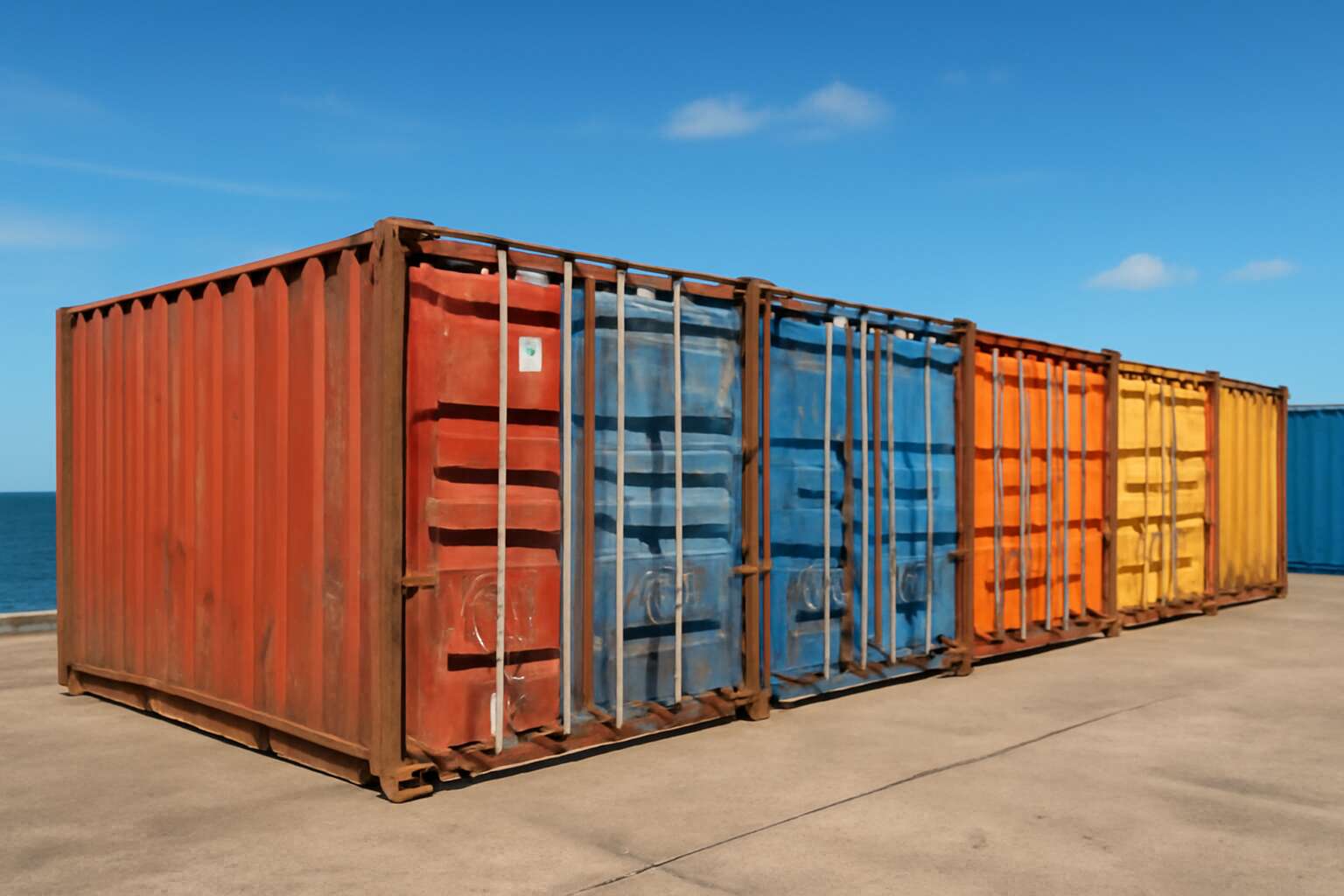
Understanding Second Hand Shipping Containers
What Are Second Hand Shipping Containers?
In the bustling world of global trade, second hand shipping containers stand as silent sentinels, bearing witness to countless voyages across oceans and continents. These stalwart structures, once the backbone of international freight, now find new life in a myriad of innovative uses. Their rugged exterior and sturdy design make them an ideal choice for those seeking cost-effective and environmentally conscious solutions.
Understanding second hand shipping containers requires a glimpse into their storied past. Originally crafted to withstand the rigors of shipping, these containers have endured the elements and the tumult of maritime journeys. When repurposed, they transform into versatile assets—ranging from storage units to architecturally striking tiny homes. Their durability and modular nature make them a sought-after resource in South Africa’s expanding construction and sustainability sectors.
For those considering a purchase, it’s essential to recognize the key features that define these vessels of resilience. Typically, second hand shipping containers are classified by size, condition, and modifications. The most common types include:
- Standard 20-foot and 40-foot containers
- High cube variants for extra vertical space
- Reinforced or insulated options for specialized needs
Whether you’re looking to create a durable storage solution or a unique architectural project, understanding the qualities and potential of second hand shipping containers opens a world of possibilities. Their history, combined with modern innovation, makes them a truly remarkable resource in South Africa’s dynamic landscape.
Types of Shipping Containers Available
Second hand shipping containers come in a variety of types, each designed to meet specific needs. Their versatility is part of what makes them such valuable assets in South Africa’s growing markets. The most common options are the standard 20-foot and 40-foot containers, which are widely used for storage and transport. These units are durable, stackable, and easy to modify for different applications.
In addition, high cube variants offer extra vertical space, making them perfect for taller goods or creating more spacious interiors. Reinforced options are also available, providing added strength for heavy-duty storage or specialized environments. Insulated containers serve well in extreme climates, maintaining stable temperatures for sensitive cargo.
- Standard 20-foot and 40-foot containers
- High cube versions for increased height
- Reinforced containers for heavy loads
- Insulated containers for temperature-sensitive cargo
Understanding these different types of second hand shipping containers helps buyers select the ideal solution for their specific needs. Whether for storage, construction, or innovative projects, each type offers distinct advantages that can be tailored to South Africa’s unique landscape and demands.
Differences Between New and Used Containers
In the bustling markets of South Africa, where innovation meets necessity, the choice between new and second hand shipping containers can feel like stepping into a realm of endless possibilities. These relics of global trade, once vessels of commerce, now serve as the backbone of inventive enterprises and secure storage solutions.
While second hand shipping containers may bear the scars of their journeys—each dent and rust whispering tales of distant ports—they also offer a treasure trove of value. Unlike their brand-new counterparts, these storied structures often come at a fraction of the cost, providing a practical yet resilient foundation for a myriad of projects.
A crucial aspect to consider is the condition of these containers. Some might require minor refurbishments, such as repainting or sealing, while others are ready to be transformed into workshops, homes, or pop-up shops. The key lies in understanding their history, structural integrity, and suitability for your specific purpose, ensuring your investment weaves seamlessly into your ambitions.
Benefits of Buying Second Hand Shipping Containers
Cost-Effectiveness
In a world where every rand counts and resourcefulness is paramount, second hand shipping containers emerge as an alluring symphony of cost-effectiveness and resilience. Their weathered exteriors whisper tales of distant voyages, yet beneath that rugged facade lies unparalleled durability—an investment that combines strength with affordability. For those seeking to harness their sturdy shell for storage or construction, the savings are palpable. The upfront cost of second hand shipping containers is significantly lower than new ones, allowing businesses and entrepreneurs in South Africa to stretch their budgets further.
Opting for second hand shipping containers isn’t merely a financial decision; it’s a calculated embrace of sustainability. Each container embodies a legacy, repurposed to serve a new purpose, reducing waste and environmental impact. Moreover, their versatility makes them a prime choice for innovative projects—be it a minimalist home, a secure storage unit, or a mobile workspace. The allure of second hand shipping containers isn’t just in their price, but in the stories they carry and the endless possibilities they unlock.
Availability and Variety
In the vibrant landscape of South Africa’s entrepreneurial spirit, the availability and variety of second hand shipping containers stand as a testament to ingenuity and adaptability. The market offers a rich tapestry of options, ensuring that every vision—whether for storage, living spaces, or creative ventures—can find its perfect vessel. Unlike limited choices with new containers, second hand shipping containers come in a multitude of sizes, conditions, and configurations, making them a versatile asset for any project.
From weathered relics with stories etched into their steel to freshly refurbished units, the diversity of second hand shipping containers is staggering. This breadth of options not only caters to aesthetic preferences but also aligns with specific functional requirements. For instance, some containers are tailored for insulation and climate control, while others emphasize security and durability, providing a truly bespoke experience for buyers in South Africa.
- Availability across major ports and storage hubs
- Variety in dimensions and configurations
- Options for customization and upgrades
This extensive range ensures that entrepreneurs and homeowners alike can find a second hand shipping container that resonates with their unique needs, unlocking a world of possibilities without stretching budgets beyond their limits.
Environmental Benefits
Choosing second hand shipping containers isn’t just a practical decision; it’s a conscious act that echoes a deeper commitment to sustainability. Every rusted seam and weathered surface tells a story of reuse, resilience, and the potential for transformation. By opting for second hand shipping containers, South Africans participate in a cycle of environmental stewardship—reducing waste and conserving resources that would otherwise be lost to landfills.
Moreover, the environmental benefits extend beyond mere waste reduction. The manufacturing process of new containers demands significant energy and raw materials, leaving a carbon footprint that can be mitigated through second hand alternatives. This choice fosters a more sustainable future, one container at a time.
As the world awakens to the urgency of ecological preservation, investing in second hand shipping containers emerges as a powerful gesture—one that aligns economic sensibilities with moral imperatives. It’s not only about affordability or versatility; it’s about making a statement that echoes through generations, emphasizing that sustainability can be both practical and profound.
Flexibility for Customization
Flexibility is one of the greatest advantages of choosing second hand shipping containers. Their sturdy structure and simple design make them ideal for a wide range of applications, from storage to custom builds. Unlike new containers, second hand shipping containers can be easily modified to suit specific needs—whether it’s adding windows, doors, or insulation. This adaptability saves time and money, allowing for quick turnaround and personalized solutions.
Many businesses and homeowners in South Africa appreciate how versatile second hand shipping containers truly are. They can serve as offices, workshops, or even homes. The options for customization are extensive, making it easy to transform a basic container into a functional space tailored to exact specifications. It’s this inherent flexibility that continues to drive their popularity.
In fact, the potential for customization can be summarized as follows:
- Cutting and welding for openings and partitions
- Interior and exterior painting for aesthetic appeal
- Installing electrical and plumbing systems
All these modifications are achievable without the high costs associated with brand-new containers. This makes second hand shipping containers a practical choice for those seeking adaptable, cost-effective solutions that fit their unique requirements.
Factors to Consider When Purchasing Used Shipping Containers
Condition and Structural Integrity
When investing in second hand shipping containers, assessing their condition and structural integrity is paramount. These sturdy giants have weathered countless journeys across tumultuous seas, but their age can sometimes mask hidden vulnerabilities. A comprehensive inspection reveals whether a container has sustained corrosion, dents, or warping that could compromise its longevity. Don’t overlook the importance of checking the container’s doors, corners, and floor for signs of rust or structural weakness—these are often the first casualties of prolonged exposure to harsh environments.
To ensure your investment stands the test of time, consider these critical factors:
- Level of rust and corrosion on the exterior and interior
- Integrity of the container’s frame and corner posts
- Condition of the flooring—look for rotting or damage
- Functionality of doors and locking mechanisms
Opting for second hand shipping containers with sound structural integrity not only guarantees safety but also maximizes the lifespan of your investment, making it a wise choice in the dynamic South African market. Remember, a well-maintained container is more than just a storage solution—it’s a reliable asset built to withstand the test of time!
Material Quality and Corrosion Resistance
Choosing the right second hand shipping containers isn’t just about finding a cheap box; it’s about securing a fortress that can withstand the fierce South African elements. Material quality and corrosion resistance are the backbone of a durable container—think of them as the secret sauce that turns a rusty relic into a reliable asset. High-grade steel with protective coatings can dramatically extend the lifespan of second hand shipping containers, shielding them from the relentless assault of salt, humidity, and the occasional Johannesburg thunderstorm.
When inspecting these rugged giants, pay close attention to the material’s thickness and composition. A container built with inferior steel might look fine at first glance but could be a ticking corrosion time bomb. Remember, a well-constructed second hand shipping container should have a sturdy, corrosion-resistant exterior that stands tall against the harsh climate. In the end, investing in quality materials ensures your container remains a steadfast workhorse, not a rusting relic begging for retirement.
- Assess the quality of the steel used in the container’s construction.
- Check for protective coatings that resist corrosion, especially in coastal or humid environments.
- Examine the interior and exterior for signs of rust, flaking paint, or pitting.
- Ensure that structural elements like corner posts and door frames are made from heavy-duty, corrosion-resistant materials.
In the South African market, where climate variability can challenge even the sturdiest containers, choosing second hand shipping containers with premium material quality isn’t just smart—it’s essential. After all, why settle for a container that’s just a pretty face when it’s destined to be a long-term survivor?
Size and Dimensions Options
Choosing the right second hand shipping containers involves more than just matching size to your needs; it’s about understanding the subtle nuances that determine their longevity and functionality. Size and dimensions are critical factors—an ill-fitting container can lead to costly modifications or compromised security. In South Africa’s diverse climate, selecting the correct dimensions ensures seamless integration into your project, whether for storage, transport, or modifications.
While standard options like 20-foot and 40-foot containers are common, custom sizes can unlock new possibilities. Consider the internal space for your specific needs—are you storing bulky equipment or delicate items? Sometimes, opting for slightly larger or narrower containers can make all the difference.
- Evaluate available space versus your storage requirements
- Account for door clearance and internal height
- Ensure compatibility with existing infrastructure or transport routes
Ultimately, the right size of second hand shipping containers is a puzzle piece—precision here guarantees a perfect fit, ensuring your investment remains resilient against the unpredictable South African environment.
Inspection and Certification
When venturing into the realm of second hand shipping containers, one of the most crucial steps is rigorous inspection and validation. South Africa’s diverse climate demands that used containers not only meet aesthetic standards but also boast structural integrity capable of withstanding harsh conditions. An in-depth inspection reveals the true condition of the container—checking for rust, dents, or weakened panels that could compromise security or longevity.
Certification plays a pivotal role in ensuring your second hand shipping containers are fit for purpose. Look for containers that come with compliance certificates, verifying they meet international standards for safety and quality. This certification offers peace of mind, especially when repurposing containers for sensitive storage or transport across rugged terrains. Remember, a well-certified container isn’t just a purchase; it’s an investment in resilience and peace of mind in unpredictable environments.
Price Comparison and Budgeting
When stepping into the market for second hand shipping containers in South Africa, understanding the nuances of price comparison and budgeting is essential. The landscape is diverse—prices fluctuate based on condition, size, and location. A thoughtful comparison can reveal hidden value, ensuring your investment aligns with your project’s scope and financial parameters. It’s tempting to focus solely on the initial cost, but considering long-term durability and potential customization expenses offers a more comprehensive view.
To navigate this terrain, establish a clear budget—accounting not just for the purchase but also for transportation, modifications, and certification fees. Remember, the cheapest option isn’t always the most cost-effective over time. For those seeking a holistic approach, consider a tiered pricing model:
- Identify reputable suppliers with transparent pricing for second hand shipping containers.
- Compare prices based on container condition, age, and certification status.
- Factor in additional costs like delivery and potential repairs or refurbishments.
By aligning your budget with comprehensive market insights, you’ll make smarter choices—maximizing value and ensuring your second hand shipping containers meet your specific needs with resilience and reliability.
Where to Buy Second Hand Shipping Containers
Reputable Container Suppliers
Securing second hand shipping containers in South Africa is akin to finding hidden treasures amidst the vast landscape of possibilities. Reputable container suppliers act as custodians of quality, guiding you through a labyrinth of options with expertise and integrity. When searching for second hand shipping containers, it’s vital to partner with sources known for transparency and certifiable standards, ensuring each container’s structural integrity and longevity. These suppliers often showcase a diverse inventory, catering to varying needs and budgets, making it easier to find the perfect match.
To streamline your quest, consider exploring trusted wholesale distributors or specialized online marketplaces that focus solely on second hand shipping containers. Here’s a quick glance at some of the most reliable avenues:
- Local container depots with a reputation for quality inspections
- Online platforms dedicated to the sale of used shipping containers
- Recycling centers that refurbish and certify second hand shipping containers for resale
In South Africa, establishing a relationship with established suppliers ensures not only the authenticity of the product but also access to after-sales support, making your investment in second hand shipping containers both wise and enduring.
Local vs. International Sellers
Whether you’re sourcing second hand shipping containers locally or internationally, the options are plentiful but vary greatly in terms of reliability and quality. In South Africa, local suppliers often provide the advantage of immediate inspection, allowing buyers to assess the condition firsthand and negotiate directly. These local sellers tend to have established reputations and can offer after-sales support, which adds peace of mind to your investment.
On the other hand, international sellers—particularly online marketplaces and overseas container depots—offer a broader inventory and potentially lower prices. However, navigating these options requires due diligence, including verifying certifications and understanding shipping logistics. Some buyers prefer ordering from reputable online platforms dedicated to used shipping containers because they often include detailed inspection reports and warranties, ensuring the second hand shipping containers meet safety standards.
- Local container depots with trusted inspections
- Online marketplaces specializing in second hand shipping containers
- International sellers with certified and refurbished containers
Choosing between local and international sources hinges on your specific needs—be it budget, urgency, or quality assurance. Both avenues can supply reliable second hand shipping containers, but understanding the nuances of each can make all the difference in securing a durable, cost-effective solution.
Online Marketplaces and Auction Sites
In the bustling world of second hand shipping containers, the digital marketplace is a treasure trove of options—if you know where to look! Online marketplaces and auction sites have revolutionized how buyers and sellers connect, making it easier than ever to find that perfect container at the right price. These platforms are not just about convenience; they often feature detailed inspection reports, photos, and even warranties—giving you peace of mind before parting with your hard-earned cash.
For those who prefer a more structured approach, reputable online marketplaces dedicated to second hand shipping containers are a goldmine. Sites like ContainerAuction.com or ContainerMarket.co.za offer a curated selection of containers, often with transparent pricing and verified seller credentials. If you’re feeling adventurous, online auction sites such as eBay or local auction platforms regularly list second hand shipping containers, sometimes going for surprisingly competitive bids.
Here’s a quick glance at where to buy second hand shipping containers online:
- Specialized container sales websites with verified inspections
- Global auction platforms with live bidding options
- Local South African online marketplaces catering to regional needs
Whether you’re after a sturdy 20-foot model or a massive 40-foot behemoth, these online avenues provide unmatched variety and access. Just remember: a little due diligence can turn a good deal into a great one—so verify certifications, inspect reports, and don’t be shy about asking questions. After all, buying second hand shipping containers is a serious investment—better to do it right than to end up with a rusty relic that’s more trouble than it’s worth!
Container Brokers and Distributors
When seeking second hand shipping containers, the role of container brokers and distributors becomes paramount. These intermediaries serve as the bridge between sellers and buyers, offering access to a curated selection of quality containers that meet structural and safety standards. Their expertise not only simplifies the process but also provides a layer of trust in an otherwise volatile market.
Reputable container brokers in South Africa possess extensive networks, allowing them to source second hand shipping containers from reliable sources around the globe. They often offer personalized service, guiding buyers through options that align with specific needs—be it for storage, conversion, or transport. For those who prefer a seamless experience, working directly with these professionals can save time and reduce the risk of purchasing rusted or structurally compromised units.
- Access to verified, inspected second hand shipping containers
- Expert advice on container condition and suitability
- Assistance with logistics and delivery arrangements
Distributors and container brokers also often provide warranties or inspection reports that give insight into the condition of the container, ensuring you’re making an informed investment. In a landscape where second hand shipping containers are increasingly vital, these trusted intermediaries are your best bet for acquiring a durable, reliable unit—without falling prey to the pitfalls of the unregulated market.
Uses and Applications of Used Shipping Containers
Storage Solutions
Second hand shipping containers have become invaluable for a wide range of uses beyond their original purpose. Their robust steel structure makes them ideal for secure storage in rural areas, where traditional facilities often fall short. Farmers and small business owners alike turn to second hand shipping containers as weather-resistant, cost-effective solutions for safeguarding equipment, crops, and supplies. These containers can be transformed into mobile workshops or pop-up retail shops, blending practicality with innovation.
Moreover, their versatility is unmatched. For example, some communities repurpose second hand shipping containers into cozy homes or community centers, fostering a sense of belonging and resilience. Their modular nature allows for easy stacking or combination, creating larger spaces tailored to specific needs. With a little ingenuity, these containers serve as sturdy, adaptable structures that support the daily lives and entrepreneurial spirit of South Africans. Whether used for storage, shelter, or creative ventures, second hand shipping containers unlock endless possibilities rooted in durability and sustainability.
Transportation and Shipping
Second hand shipping containers are more than just rusted metal boxes—they’re the Swiss Army knives of practical space solutions! Their robust steel shells make them perfect for transportation and shipping, ensuring your goods arrive intact no matter the voyage. But their true magic lies in versatility. From transporting goods across oceans to becoming the backbone of innovative projects, these containers adapt seamlessly to South Africa’s diverse needs.
In the realm of transportation and shipping, second hand shipping containers excel at safeguarding valuable cargo during long-haul journeys. Their standardized sizes and durable construction mean they fit perfectly onto trucks, trains, and ships alike, simplifying logistics and reducing hassle. Plus, their weather-resistant properties make them an ideal choice for protecting fragile or perishable items from South Africa’s unpredictable climate.
Beyond shipping, their uses are virtually limitless. They’re often repurposed into mobile offices, pop-up cafes, or even emergency shelters—proof that second hand shipping containers are the chameleons of construction and design. Whether you’re looking to streamline your supply chain or craft a bespoke space, these containers provide a resilient foundation for countless endeavors.
For those in search of flexible transport solutions, consider the advantages of stacking or modifying second hand shipping containers to suit expanding business needs. Their modular nature means you can create multi-storey storage facilities or expansive retail outlets with minimal fuss. It’s no wonder that smart entrepreneurs and logistics experts rely on these sturdy, second hand shipping containers to keep their operations moving smoothly!
Container Conversions for Homes and Offices
Second hand shipping containers are transforming the way we think about space and functionality. Their potential extends far beyond transportation, serving as the foundation for innovative residential and commercial projects. In South Africa, where space is at a premium and creativity is vital, repurposed containers are becoming a game-changer.
Container conversions for homes and offices are gaining momentum among entrepreneurs and homeowners alike. These versatile structures can be transformed into stylish, eco-friendly living spaces or functional work environments. Whether you’re aiming for a cozy tiny home or a compact coworking hub, second hand shipping containers offer a resilient, customizable solution. Their modular design allows for seamless stacking and expansion, making them ideal for dynamic projects that grow with your needs.
- Personalized living spaces with insulation, windows, and interior finishes.
- Modern, sustainable offices that reduce overhead costs and carbon footprint.
- Pop-up shops or retail outlets that are both eye-catching and portable.
One of the most compelling aspects of second hand shipping containers is their ability to be adapted with minimal fuss. From adding skylights to creating multi-level layouts, the possibilities are almost endless. This adaptability makes them a favorite among South African developers seeking innovative, cost-effective ways to build quickly without sacrificing quality or durability.
Pop-Up Shops and Retail Spaces
Within the bustling heart of South Africa’s entrepreneurial landscape, second hand shipping containers are emerging as the canvas for inventive retail experiences. Their rugged exterior belies a limitless potential—transforming into vibrant pop-up shops and retail spaces that captivate passersby with their industrial charm and adaptable design. These containers are more than mere storage units; they are mobile stages for commerce, art, and culture, seamlessly blending functionality with eye-catching aesthetics.
For businesses seeking to make a bold statement, repurposed containers offer a dynamic platform. Their portability means a shop can be relocated to festivals, markets, or urban hotspots without the hassle of traditional construction. Moreover, their modular nature allows for creative configurations—stacking for multi-level retail outlets or reshaping into open-plan showrooms—tailoring the shopping experience to each brand’s unique identity.
South African entrepreneurs value these second hand shipping containers for their resilience and eco-friendliness, often customizing them with features like large windows, vibrant paintwork, or integrated signage. The result is a retail space that is both cost-effective and visually compelling, attracting customers in a way that conventional brick-and-mortar shops simply cannot match.
- Flexibility in design and layout
- Portability for events or seasonal markets
- Cost-effective alternative to traditional retail spaces
- Eco-conscious choice that reduces environmental impact
Whether used as an eye-catching storefront for a boutique or a temporary gallery for local artists, second hand shipping containers are redefining the retail landscape in South Africa. Their durability and ease of customization make them an ideal solution for businesses eager to stand out in a competitive marketplace—proving that even the most industrial of materials can be crafted into a symbol of innovation and style.
Construction Site Containers
Second hand shipping containers have become an integral part of construction site logistics across South Africa. Their robust steel structure provides a secure, weather-resistant solution for storing valuable equipment and materials. These containers are often used as on-site offices, offering a quick and cost-effective alternative to traditional structures.
In addition, they serve as mobile storage units, safeguarding tools, safety gear, and construction supplies from theft and the elements. Their portability allows for easy relocation, making them ideal for dynamic construction projects that span multiple sites.
Many companies also convert second hand shipping containers into on-site workshops or break rooms, customizing interiors to meet specific operational needs. The durability and versatility of these used containers make them indispensable in the fast-paced, ever-evolving landscape of South African construction. Their ability to withstand harsh conditions ensures they remain a reliable choice for builders who demand both resilience and flexibility.
Maintenance and Upgrading of Second Hand Shipping Containers
Cleaning and Rust Prevention
In the quiet cadence of rust and renewal, the maintenance of second hand shipping containers emerges as a symphony of preservation and ingenuity. These steel sentinels, weathered yet resilient, demand vigilant care—cleaning and rust prevention become their armor against time’s relentless march. A thorough wash removes stubborn grime and salt deposits, those silent enemies that threaten structural integrity. Applying specialized rust inhibitors and protective coatings not only prolongs their lifespan but also transforms their exterior into a gleaming testament of durability.
Regular inspections reveal the subtle cracks and weak spots that, if left unchecked, could evolve into catastrophic failures. To this end, a systematic approach often involves:
- Removing existing rust patches with wire brushes or sandblasting
- Reapplying corrosion-resistant paint tailored for marine environments
- Sealing every seam and joint to prevent moisture ingress
Embracing such maintenance practices breathes new life into second hand shipping containers, empowering them to withstand the harsh conditions they often face—whether serving as storage units, pop-up shops, or even innovative living spaces. The art lies in balancing the old with the new, ensuring each container’s story continues with strength and grace.
Insulation and Ventilation
Maintenance and upgrading of second hand shipping containers are vital steps in ensuring their durability and functionality. Proper insulation transforms these robust steel structures into comfortable, energy-efficient spaces—whether they’re used as mobile offices, homes, or retail outlets. Insulating second hand shipping containers involves adding materials like spray foam or rigid panels that combat temperature fluctuations, making them suitable for various climates found across South Africa. Ventilation, on the other hand, prevents condensation and mould buildup, safeguarding the container’s structural integrity.
Implementing effective ventilation systems—such as exhaust fans or passive vents—ensures a steady airflow, reducing humidity and maintaining a healthy environment inside the container. For those looking to upgrade their second hand shipping containers, consider:
- Installing insulated panels to increase thermal regulation
- Adding vents or air circulation fans for optimal airflow
- Sealing gaps and joints to enhance energy efficiency
Regular maintenance of these features not only extends the lifespan of second hand shipping containers but also enhances their versatility for any project or purpose. When cared for with attention to insulation and ventilation, these containers continue to stand resilient, ready to serve new stories while weathering the elements with grace.
Door and Lock Repairs
When it comes to second hand shipping containers, their longevity hinges not just on their initial quality but on the ongoing maintenance of essential components like doors and locks. Over time, exposure to South Africa’s diverse climate can lead to corrosion, rust, and wear, compromising security and structural integrity. Repairing and upgrading these features isn’t merely about preservation—it’s a moral obligation to ensure safety and sustainability.
Effective door and lock repairs restore the container’s resilience, but they also serve as a form of mindful stewardship—protecting valuable assets from unauthorized access and environmental damage. For those seeking to upgrade their second hand shipping containers, attention to detail is key. Consider replacing worn-out locks with robust, weather-resistant alternatives or installing reinforced doors that withstand the rigours of local conditions.
- Assess the current condition of the doors and locking mechanisms
- Replace rusted or damaged components with high-quality, corrosion-resistant materials
- Ensure proper sealing to prevent water ingress and heat loss
Every repair performed is a testament to the container’s potential for renewal and adaptation. In the grand scheme of things, maintaining and upgrading these steel structures becomes a reflection of our broader commitment—an acknowledgment that even the most battered second hand shipping containers possess a quiet dignity, waiting for their next chapter to unfold.
Painting and Aesthetic Improvements
Transforming the rugged charm of second hand shipping containers into visual poetry begins with a splash of color and a touch of artistry. Painting and aesthetic upgrades breathe new life into these steel giants, turning utilitarian storage into captivating architectural statements. In South Africa’s vibrant climate, a well-chosen paint not only enhances appearance but also fortifies the container’s resilience against the elements.
Applying high-quality, weather-resistant coatings creates a protective barrier, guarding against rust and corrosion while elevating the container’s curb appeal. For those seeking a more personalized touch, decorative murals or branding can turn a plain steel box into a landmark—an emblem of ingenuity and sustainability. Consider surface treatments that improve reflectivity and heat management, making second hand shipping containers more energy-efficient and visually striking.
When embarking on aesthetic upgrades, prioritize durability and functionality. A seamless finish not only enhances the container’s aesthetic appeal but also extends its lifespan, making it a wise investment in the long run. Whether for a stylish pop-up shop or a modern workspace, the right paint and design choices transform second hand shipping containers into versatile, eye-catching structures—proof that beauty and utility can coexist harmoniously in the realm of reuse and renewal.
Legal and Regulatory Considerations
Import/Export Regulations
Legal and regulatory considerations are crucial when dealing with second hand shipping containers, especially in South Africa where import/export regulations are strict. Ensuring compliance can be the difference between a smooth transaction and costly delays. Customs authorities often require specific documentation, such as certificates of origin and inspection reports, to verify that second hand shipping containers meet safety and environmental standards.
Import and export regulations vary across regions, but generally, second hand shipping containers must adhere to standards set by both local authorities and international bodies. In South Africa, the South African Revenue Service (SARS) and the Department of Agriculture, Forestry and Fisheries play key roles in overseeing container entries. Violating these regulations can lead to hefty fines or container seizures. Therefore, working with reputable suppliers who understand these legal frameworks can streamline the process and ensure your second hand shipping containers are compliant with all relevant laws.
Safety Standards and Certifications
In the shadowed corridors of international trade, the silent guardians of cargo—second hand shipping containers—must meet the strictest of standards. Safety standards and certifications are not mere formalities but vital seals of assurance that these weathered giants can withstand the tumult of global voyages. In South Africa, compliance with import/export regulations intertwines with the realm of safety, where the South African Revenue Service and the Department of Agriculture, Forestry and Fisheries wield their watchful eyes.
To navigate this labyrinth, reputable suppliers often provide documentation such as inspection reports and certificates of origin, confirming that second hand shipping containers adhere to both local and international safety standards. This layered verification process ensures these containers are not only sturdy but environmentally sound, reducing the risk of fines or seizures. Remember, in this dark dance of commerce, the integrity of your container can be the difference between seamless trade and costly entanglements.
Ownership Verification
Ownership verification of second hand shipping containers is a critical pillar in ensuring legal compliance and safeguarding your investment. Without clear proof of ownership, the risk of dealing with stolen or untraceable containers looms large, potentially entangling you in costly legal disputes. Reputable suppliers in South Africa often provide detailed documentation, such as bill of sale, registration papers, or proof of transfer, which serve as tangible evidence of lawful ownership.
Understanding the regulatory landscape is just as vital. Authorities like the South African Revenue Service and local customs enforce strict controls to prevent illicit trade. To navigate this terrain, it’s essential to verify that your second hand shipping containers come with authentic ownership documents. These records not only establish legal possession but also facilitate smoother import and export processes.
In this complex web of international trade, the reality is simple: trust is built on verification. Whether dealing through online marketplaces or local brokers, insist on comprehensive proof of ownership—because a container’s legal status can make or break your entire logistical operation.
Environmental Regulations
Environmental regulations play a crucial role in the trade and repurposing of second hand shipping containers in South Africa. As the country strives to reduce its carbon footprint, authorities have implemented strict standards to ensure that these containers do not pose environmental hazards. Proper disposal of hazardous materials, corrosion treatment, and eco-friendly refurbishment practices are essential to meet compliance.
To navigate these complex regulations, buyers must ensure that their second hand shipping containers come with certified documentation demonstrating adherence to environmental standards. This not only aligns with legal requirements but also reassures stakeholders of the container’s safety and sustainability.
Additionally, in the context of import and export, understanding the environmental considerations is vital. Customs and environmental agencies may inspect containers for compliance, especially if they are to be converted into mobile structures or storage units. Failing to meet these standards can result in costly delays or penalties.
In South Africa, regulatory bodies often issue guidelines that emphasize the importance of environmentally responsible practices. Buyers should verify that their second hand shipping containers have passed necessary environmental inspections, ensuring a smooth transition from procurement to practical use.


0 Comments