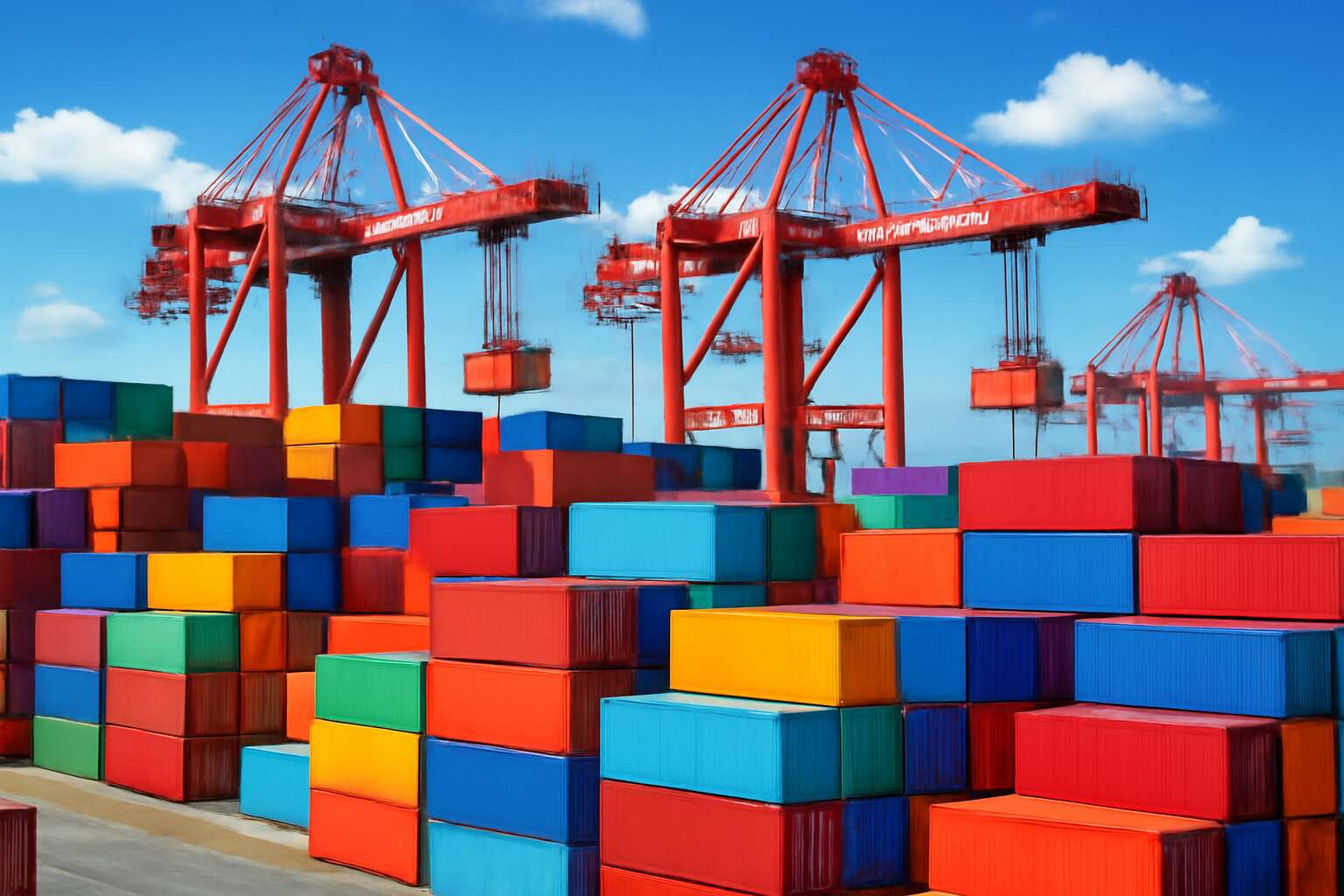
Understanding the Shipping Containers Industry
Overview of Shipping Containers – Types, sizes, and functions of shipping containers
In the vast landscape of the shipping containers business, understanding the multifaceted nature of these steel behemoths reveals a world of endless possibilities. With over 20 million TEUs (twenty-foot equivalent units) transported globally each year, the industry’s pulse is undeniable — it’s the backbone of international trade. Shipping containers, far from mere storage units, are architectural marvels designed to withstand the unpredictable fury of the open sea, yet their true versatility lies in their adaptability.
Within this industry, a rich taxonomy of container types exists, each tailored to specific functions. Standard dry containers dominate the scene, but specialized variants like high-cube, refrigerated, and open-top containers expand the horizon of what’s possible. Sizes vary, typically from 20 to 40 feet—though the 45-foot and even 53-foot options are gaining traction—allowing businesses to optimize cargo space efficiently. This diversity fuels innovation in the shipping containers business, where strategic choices in container types and sizes directly influence operational success.
History and Evolution – How the shipping containers business has developed over time
The shipping containers business has undergone a remarkable evolution, transforming from rudimentary wooden crates to sophisticated steel marvels that facilitate global commerce. In the early days of maritime transport, cargo was often exposed to the elements and prone to damage, making the industry’s growth slow and inefficient. The advent of standardized shipping containers revolutionized the landscape, allowing for seamless handling across ports, railroads, and trucks. This innovation not only accelerated trade but also reduced costs, fostering a truly interconnected world.
Over the decades, the industry has continued to adapt and diversify. Today, the shipping containers business encompasses a broad spectrum of specialized container types, from refrigerated units to high-cube variations, tailored to meet the complex demands of global supply chains. As the world’s reliance on efficient logistics deepens, the industry’s history reflects a relentless pursuit of resilience, adaptability, and innovation—traits that ensure shipping containers remain the backbone of international trade.
Global Market Trends – Current trends and future outlook for the shipping container industry
The global shipping containers business is riding a wave of transformation, propelled by a relentless tide of innovation and demand. As international trade surges—South Africa’s strategic position making it a vital hub—industry leaders observe a shift towards smarter, more sustainable container solutions. Current trends reveal a rising appetite for eco-friendly shipping containers, driven by stricter environmental regulations and a collective desire to reduce carbon footprints.
Technological advancements are also reshaping the landscape. Smart containers equipped with IoT sensors now enable real-time tracking and enhanced security, weaving a digital tapestry that keeps cargo safe across vast oceans. Meanwhile, the future of the shipping containers business hints at an era where modular, adaptable containers will dominate, offering customized solutions for diverse industries. In this ever-evolving arena, resilience and innovation remain the heartbeat of a business that truly keeps the world moving.
Types of Shipping Containers and Their Uses
Standard Shipping Containers – 20ft and 40ft containers
When it comes to the backbone of the shipping containers business, standard shipping containers remain the most recognizable and versatile. These robust boxes, predominantly 20ft and 40ft in length, are engineered to withstand the rigors of global trade while offering optimal storage capacity. Their straightforward design makes them perfect for a variety of uses—be it transporting consumer goods, machinery, or raw materials across continents.
While their primary function is freight movement, these containers have evolved into multifunctional assets. For instance, modified 20ft containers serve as mobile offices or pop-up shops, while 40ft units are often converted into modular housing or storage units. Their adaptability fuels the dynamic nature of the shipping containers business, especially in regions like South Africa, where infrastructure needs are rapidly expanding.
- Durability and strength to resist harsh maritime environments
- Flexibility in customization for different industries
- Cost-effectiveness for international shipping and local logistics
Specialized Containers – Refrigerated, tank, open-top, and high-cube containers
When it comes to the shipping containers business, variety truly is the spice of life—especially when you’re dealing with specialized containers that cater to the most niche needs. While standard containers are the backbone of global logistics, specialized shipping containers are the Swiss Army knives of the industry. They’re designed to tackle everything from perishable goods to hazardous liquids, making them invaluable assets in today’s fast-paced commerce environment.
Refrigerated containers, affectionately known as reefers, keep your seafood fresh and your pharmaceuticals at the right temperature—crucial for industries that demand precision. Tank containers are built for liquids, whether oil, chemicals, or beverages, offering a secure and efficient way to transport hazardous or bulk liquids across continents. Open-top containers lend themselves to oversized or awkward cargo that refuses to fit in traditional confines, while high-cube containers maximize volume without needing extra space—ideal for bulky goods in the shipping containers business.
- Refrigerated containers for temperature-sensitive cargo
- Tank containers designed for liquids and chemicals
- Open-top containers for oversized or irregular cargo
- High-cube containers to maximize volume and efficiency
In South Africa, where diverse industries—from mining to agriculture—depend on the shipping containers business, these specialized variants are not just optional; they’re essentials. Whether it’s maintaining cold chain integrity or safely transporting hazardous materials, these containers are the unsung heroes of the logistics chain—making the world go round, one shipment at a time.
Custom Containers – Custom modifications and niche uses
In the dynamic world of the shipping containers business, custom containers have become the secret weapon for companies seeking to optimize their logistics solutions. These bespoke modifications transform standard containers into versatile tools tailored to niche requirements, whether it’s adding insulation, reinforced floors, or specialized doors. South Africa’s diverse industries—ranging from mining to agriculture—rely heavily on these tailored solutions to meet unique transportation challenges.
Beyond the basics, custom containers are frequently designed for specific functions, such as secure storage for high-value goods or specialized handling of sensitive materials. For example, a shipping containers business might modify a standard 20ft container with temperature controls or reinforced structures, ensuring safety and efficiency. Such innovations highlight the industry’s capacity for flexibility and ingenuity, making these containers invaluable in today’s complex supply chain landscape.
- Enhanced security features for valuable cargo
- Specialized insulation for temperature-sensitive items
- Structural modifications for oversized or irregularly shaped cargo
These tailored solutions are not just about functionality—they also serve as a testament to the evolving nature of the shipping containers business, where adaptability is the key to staying ahead in a competitive market. Custom containers elevate logistics, offering bespoke answers to complex shipping demands across South Africa and beyond, cementing their role as indispensable assets in global trade.
Starting a Shipping Containers Business
Market Research and Feasibility Study – Analyzing demand, competition, and locations
Embarking on a shipping containers business requires more than just a keen eye for logistics; it demands a profound understanding of market dynamics. Market research and a thorough feasibility study serve as the compass, guiding entrepreneurs through the labyrinth of demand, competition, and optimal locations. In South Africa’s burgeoning trade environment, identifying where demand for shipping containers is highest can make or break your venture. It’s not merely about spotting gaps but understanding the intricate human and economic currents that drive container logistics.
Analyzing competition involves peeling back layers of existing players—local and international—and understanding their strengths and vulnerabilities. Equally crucial is the selection of strategic locations, where demand converges with accessibility. A well-conducted feasibility study sheds light on potential profit margins, logistical challenges, and the socio-economic factors that influence the shipping containers business. It’s an exercise in insight, a dance between intuition and data that ultimately shapes a resilient and sustainable enterprise.
Business Models – Container sales, leasing, storage solutions, and transportation services
Starting a shipping containers business in South Africa presents an array of strategic avenues that extend beyond mere logistics. Entrepreneurs can carve out niche markets by focusing on diverse business models such as container sales, leasing, storage solutions, and transportation services. Each model caters to distinct client needs, whether it’s a company seeking durable storage or a logistics operator requiring flexible leasing options.
In particular, leasing offers a recurring revenue stream, while container sales can generate significant profits through customized offerings. Storage solutions, especially in the context of South Africa’s expanding trade corridors, serve industries ranging from agriculture to manufacturing, creating a fertile ground for growth. A nuanced understanding of these models reveals that success in the shipping containers business hinges on discerning demand patterns and aligning services accordingly.
To streamline operations and maximize efficiency, some businesses adopt a hybrid approach—combining sales, leasing, and storage—to adapt swiftly to market fluctuations. Such versatility not only enhances resilience but also positions the enterprise at the forefront of the evolving shipping landscape. For those navigating this terrain, the key lies in recognizing the interconnectedness of these business models and leveraging them to build a resilient, diversified shipping containers venture.
Legal and Regulatory Compliance – Licensing, safety standards, and customs regulations
Starting a shipping containers business in South Africa requires more than just understanding the market; it demands strict compliance with legal and regulatory standards. Navigating the complex landscape of licensing, safety standards, and customs regulations is crucial to avoid costly legal pitfalls and ensure smooth operations. Failure to adhere to these rules can lead to delays, fines, or even the revocation of permits—risks no one should overlook in this competitive industry.
In South Africa, businesses involved in the shipping containers sector must secure the appropriate licenses from maritime authorities and local government bodies. Additionally, safety standards set by international organizations such as the International Maritime Organization (IMO) and local safety regulations govern the proper handling, storage, and transport of containers. Customs regulations, in particular, play a pivotal role—since importing and exporting containers involve navigating tariffs, documentation, and compliance checks.
To streamline compliance, consider adopting a systematic approach:
- Register your business with relevant authorities.
- Ensure all containers meet safety standards and are regularly inspected.
- Stay updated on customs procedures and tariffs through official channels.
By prioritizing legal and regulatory compliance, entrepreneurs can establish a resilient foundation for their shipping containers business—minimizing risk and maximizing growth potential in South Africa’s expanding trade corridors.
Key Factors for Success in the Industry
Supply Chain Management – Efficient sourcing and logistics
In the dynamic landscape of the shipping containers business, supply chain management can make or break success. Efficient sourcing and logistics are the backbone of a thriving operation, especially in regions like South Africa where maritime trade plays a vital role. Recognizing the importance of streamlined processes ensures that containers move seamlessly from suppliers to clients, minimizing delays and reducing costs. A well-orchestrated supply chain not only boosts profitability but also enhances reputation in a competitive market.
Key factors for success include establishing reliable supplier relationships, leveraging technology for real-time tracking, and adopting flexible logistics strategies. For instance, integrating advanced inventory management systems helps anticipate demand fluctuations, avoiding costly shortages or overstocking. Additionally, choosing the right transportation partners ensures containers are delivered safely and on schedule, vital for maintaining customer satisfaction. In this industry, a meticulous approach to supply chain management is essential for standing out and sustaining growth in the shipping containers business.
Quality Control – Container condition and maintenance
In the bustling world of the shipping containers business, maintaining impeccable quality control is paramount. Containers endure the relentless rigors of international freight, from corrosive saltwater to harsh weather conditions. Ensuring their condition and ongoing maintenance isn’t just an operational detail—it’s a strategic imperative that safeguards cargo integrity and customer trust.
Regular inspections and preventive maintenance can significantly extend the lifespan of shipping containers, reducing costly downtime and repairs. Cracks, rust, and structural weaknesses must be identified early to avoid delays and damage claims. It’s also vital to keep meticulous records of each container’s history, enabling quick decisions and reliable service.
Moreover, adopting standardized protocols for container refurbishment and re-certification ensures compliance with safety standards and industry regulations. This approach not only boosts efficiency but also enhances reputation within the competitive shipping containers business landscape. After all, a container’s condition directly influences operational success and customer satisfaction in this dynamic industry.
Pricing Strategies – Competitive pricing and profit margins
In a market where margins are razor-thin yet competition is fierce, strategic pricing within the shipping containers business becomes the linchpin of sustained success. The delicate dance between competitive pricing and maintaining profitable margins demands a nuanced understanding of market dynamics and customer expectations. Price too high, and potential clients migrate to more affordable alternatives; price too low, and profitability diminishes to unsustainable levels.
To navigate this intricate landscape, many industry leaders adopt a tiered pricing approach, offering varied options that cater to diverse client needs while safeguarding margins. An emphasis on value-added services, such as custom modifications or maintenance packages, can also justify premium pricing, strengthening client loyalty. The key is to balance flexibility with consistency, ensuring that each transaction enhances the reputation of the shipping containers business.
Furthermore, a keen eye on market trends—such as fluctuating demand for specialized containers or seasonal shipping peaks—enables dynamic pricing strategies that adapt in real-time. This agility not only fortifies profit margins but also positions the business as a resilient player amid economic volatility. Ultimately, mastering pricing strategies transforms the shipping containers business from a mere commodities market into a sophisticated enterprise driven by strategic foresight and customer-centric innovation.
Customer Service – Building strong client relationships
In the fiercely competitive landscape of the shipping containers business, customer service isn’t just a nice-to-have—it’s the secret weapon that transforms transactional clients into loyal partners. Building strong relationships through transparent communication, prompt responses, and personalized solutions creates a foundation of trust that competitors struggle to shake. When clients feel valued and understood, they’re more likely to return, even amidst market fluctuations.
Effective customer service in the shipping containers business also means anticipating client needs before they arise. Offering flexible leasing options or tailored modifications can set your company apart, providing a level of service that feels almost intuitive. This proactive approach fosters loyalty and elevates your reputation as a dependable industry leader. Remember, in a sector where margins can be razor-thin, cultivating a reputation for exceptional service can be the key to sustained success.
Moreover, leveraging technology—such as real-time tracking and dedicated support portals—enhances the customer experience and streamlines communication. These digital touchpoints demonstrate a commitment to transparency and efficiency, two qualities highly prized in the shipping containers business. Ultimately, forging genuine connections and delivering consistent, high-quality service creates a resilient foundation that withstands economic shifts and fierce competition alike.
Marketing and SEO Strategies for Shipping Container Businesses
Website Optimization – SEO best practices for shipping container companies
In a competitive landscape where digital visibility can make or break a shipping containers business, mastering marketing and SEO strategies is essential. A well-optimized website not only attracts targeted traffic but also establishes authority in the industry. For South African shipping container companies, leveraging local SEO can dramatically increase visibility to clients searching for container sales, leasing, or storage solutions within specific regions.
Effective SEO begins with understanding your audience’s intent. Incorporate keywords such as “shipping containers business,” “container leasing,” and “storage solutions” naturally into your website content. Content marketing plays a vital role; publishing case studies, industry insights, and updates about your offerings can position your brand as a trusted leader. Additionally, local listings and Google My Business optimization ensure your company appears prominently in local searches, drawing in customers who need immediate, reliable shipping container services.
- Focus on mobile-friendly design to meet the growing demand for on-the-go searches.
- Build backlinks from reputable logistics and supply chain websites to boost domain authority.
- Utilize targeted keywords across your meta tags, headers, and image alt texts for better search engine ranking.
By weaving these SEO best practices into your marketing approach, your shipping containers business can dominate the digital sphere and turn online visitors into loyal clients! The key is relentless consistency—because in this industry, visibility is power, and power drives growth.
Content Marketing – Blog posts, industry insights, and case studies
When it comes to thriving in the bustling world of the shipping containers business, content marketing isn’t just a nice-to-have—it’s your secret weapon. Well-crafted blog posts, industry insights, and compelling case studies can elevate your brand from a mere supplier to a trusted industry leader. They not only boost your visibility but also demonstrate your expertise and reliability in what can often feel like a maze of competitors.
To truly stand out, consider developing a content strategy that addresses your audience’s burning questions and pain points. Here’s a quick rundown of what can make your content pop:
- Showcase successful projects—think of it as your portfolio of container triumphs.
- Share industry insights that highlight emerging trends and future outlooks.
- Publish case studies that tell real stories of how your shipping containers business helped clients overcome logistical challenges.
By weaving these elements into your marketing, you’re not just selling containers; you’re building a narrative that keeps clients coming back. Remember, every piece of content should naturally incorporate keywords like “shipping containers business,” ensuring search engines recognize your authority while engaging human readers with a dash of personality and wit. Because in this competitive landscape, clever content can turn curious visitors into loyal customers—one story at a time.
Local SEO – Targeting local businesses and suppliers
Local SEO is a game-changer for the shipping containers business in South Africa. When potential clients search for “shipping containers business” near them, you want your company to be the first they see. Optimizing your website for local search involves more than just keywords; it’s about making sure your business appears on Google Maps and local directories. This visibility can significantly increase inquiries and sales.
To boost your local SEO, focus on creating location-specific content and gathering positive reviews from satisfied clients. Incorporating keywords like “shipping containers business” naturally into your website and online profiles ensures search engines recognize your authority. Remember, a well-optimized Google My Business profile can elevate your presence and attract nearby businesses seeking reliable container solutions.
In a competitive market, standing out means being where your customers are looking. For the shipping containers business, that’s increasingly online and local. By honing your SEO strategy, you turn local searches into loyal customers—making your business the go-to choice for shipping container needs across South Africa.
Online Advertising – PPC campaigns, social media marketing, and industry directories
Effective online advertising can dramatically elevate your shipping containers business in South Africa. Pay-per-click (PPC) campaigns offer targeted visibility, ensuring your company appears at the top when potential clients search for shipping containers solutions. Social media marketing also plays a vital role; platforms like Facebook and LinkedIn allow you to showcase your inventory, share industry insights, and engage directly with prospective customers.
In addition, industry directories serve as invaluable tools for increasing your online presence. Listing your shipping containers business on reputable platforms not only boosts your SEO but also builds credibility within the local market. Combining these strategies creates a multifaceted approach that captures attention across multiple channels, transforming casual searches into loyal clients. When executed thoughtfully, your online advertising efforts can become a powerful catalyst for growth in this competitive industry.
Challenges and Opportunities in the Shipping Containers Industry
Environmental Concerns – Sustainable practices and recycling
Environmental concerns are increasingly shaping the future of the shipping containers business. As global awareness about sustainability grows, industry players are under pressure to adopt more eco-friendly practices. Shipping containers, once viewed solely as utilitarian assets, now face scrutiny regarding their environmental impact. Recycling and repurposing shipping containers present a tangible opportunity to reduce waste and lower carbon footprints.
Many companies are turning shipping containers into modular offices, homes, or pop-up shops, showcasing how sustainable practices can be integrated into the shipping containers business. These initiatives not only extend the lifespan of containers but also promote resource efficiency. Moreover, innovative recycling methods are emerging, transforming old containers into durable, eco-conscious products. This shift towards sustainability doesn’t just benefit the environment—it also opens new revenue streams and markets for entrepreneurs willing to explore niche applications of shipping containers.
- Implementing eco-friendly manufacturing processes
- Recycling old containers into innovative structures
- Promoting container refurbishment over new manufacturing
While these opportunities abound, challenges such as regulatory compliance and the need for technological investments remain. Nonetheless, the push for greener practices in the shipping containers business signals a promising direction that aligns profitability with ecological responsibility. Embracing sustainable practices isn’t just good ethics—it’s a strategic move for staying competitive in a rapidly evolving industry.
Technological Innovations – Smart containers and tracking technologies
Technological innovations are reshaping the shipping containers business at a rapid clip. Smart containers equipped with tracking technologies enable real-time monitoring of location, temperature, and humidity, which is crucial for sensitive cargo. These advancements help optimize logistics, reduce theft, and improve overall supply chain efficiency. For entrepreneurs, adopting these high-tech solutions opens up lucrative niches in container management and logistics services.
Tracking systems, GPS integration, and IoT-enabled sensors are now commonplace, offering unparalleled control over container fleets. As a result, companies can provide transparent, reliable services that meet the evolving demands of global trade. The integration of such innovations often leads to higher operational costs initially, but the long-term gains in efficiency and customer trust are undeniable.
- Implementation of IoT sensors for condition monitoring
- Enhanced security through real-time location tracking
- Data analytics for predictive maintenance and fleet management
While these technological advancements present significant advantages, they also pose challenges. High upfront investments, cybersecurity concerns, and the need for skilled personnel can slow adoption. Nonetheless, embracing these innovations is vital for staying competitive in the shipping containers business, especially in dynamic markets like South Africa where logistics infrastructure is rapidly evolving.
Economic Factors – Global trade fluctuations and tariffs
Amidst the swirling currents of global commerce, the shipping containers business finds itself caught in a relentless tide of economic fluctuation. Fluctuations in trade volumes, tariffs, and political climates often serve as both tempest and opportunity, shaping a landscape that demands resilience and adaptability. As South Africa positions itself as a pivotal nexus for trade in Africa, the industry faces the dual challenge of navigating unpredictable market shifts while seizing emerging avenues of growth.
Tariffs and trade restrictions, in particular, cast shadows over profit margins, forcing entrepreneurs to innovate and diversify. Yet, within these hurdles lie fertile grounds for opportunity—specialized containers, tailored logistics solutions, and strategic partnerships flourish where obstacles impede lesser competitors. The dynamic nature of the global market requires a keen eye for market intelligence, understanding that today’s challenges can morph into tomorrow’s competitive edge.
- Economic stability influences investment in new container fleets and infrastructure expansion.
- Trade agreements and tariffs can drastically alter supply chain costs and operational strategies.
- Currency fluctuations impact the affordability of shipping solutions, affecting both local and international clients.
For those engaged in the shipping containers business, adaptability is the compass guiding through turbulent waters. Embracing innovative logistics models and leveraging market insights can turn economic unpredictability into a thriving enterprise—transforming obstacles into stepping stones along the route of sustained success.
Emerging Markets – Growth opportunities in developing regions
Emerging markets present a tantalizing tableau for the shipping containers business, where growth opportunities are as abundant as the vibrant tapestry of developing regions. Countries across Africa, Southeast Asia, and Latin America are experiencing economic renaissance, fueling demand for innovative logistics solutions and specialized shipping containers. These markets often operate under a different set of rules—less saturated but equally competitive—demanding astute navigation and strategic foresight.
In particular, South Africa stands at the crossroads of continental trade, offering fertile ground for entrepreneurs willing to embrace the unpredictable landscape. The shifting tides of infrastructure development and urbanization create a paradoxical environment—challenging yet brimming with potential. For those with a keen eye, this is a prime opportunity to expand the shipping containers business by tapping into niche markets such as refrigerated or high-cube containers tailored for specific regional needs.
To capitalize on these prospects, companies often adopt a phased approach: first, conducting meticulous market research to understand local demand; second, leveraging flexible business models like leasing or container sales; and finally, forming strategic partnerships with local stakeholders. An intriguing facet of this landscape is the role of government incentives and trade agreements, which can significantly influence supply chain costs and operational strategies.
- Identify regions with burgeoning infrastructure projects.
- Assess the unique logistical requirements—be it climate considerations or cargo types.
- Build relationships with local authorities and logistics providers to navigate regulatory nuances.
Indeed, the challenges are manifold—currency fluctuations, regulatory hurdles, and infrastructural gaps—yet each obstacle is met with a corresponding opportunity for innovation. The shipping containers business in developing regions is not merely about moving cargo; it’s about forging pathways into untapped economies, turning nascent potential into tangible profit. For those daring enough to explore these markets, the horizon promises not only growth but also a chance to shape the future of global trade in emerging markets.
Future Outlook and Industry Predictions
Innovations and Trends – Automation, digitization, and eco-friendly containers
The future of the shipping containers business is poised for a remarkable transformation driven by technological innovation and a growing emphasis on sustainability. As global trade continues to expand, industry leaders are investing heavily in automation and digitization to streamline operations, reduce costs, and improve transparency. Smart containers equipped with tracking and sensor technologies are already revolutionizing supply chain management, offering real-time data that enhances efficiency and security.
Moreover, eco-friendly containers are gaining traction as environmental concerns become a top priority. Recyclable materials, energy-efficient manufacturing processes, and designs that facilitate reuse are shaping a greener industry. In South Africa, these trends open exciting opportunities for local businesses to adopt sustainable practices while meeting international standards. As the shipping containers business evolves, embracing these innovations will be essential for staying competitive in an increasingly eco-conscious global marketplace.
- Automation and robotics in container handling
- Digitization of inventory and logistics management
- Development of eco-friendly and recyclable container designs
Overall, the industry’s trajectory suggests a future where smart, sustainable shipping containers not only enhance operational efficiency but also contribute positively to environmental conservation efforts. This shift promises a dynamic landscape filled with growth opportunities, especially for businesses willing to adapt to emerging trends.
Market Expansion Opportunities – New sectors and geographic markets
The future of the shipping containers business is set to explode with new market expansion opportunities that could redefine industry standards. As global trade continues to surge—projected to grow by over 3% annually—there’s a clear opening for innovative players to tap into emerging sectors and geographic markets. South Africa, in particular, is poised to become a strategic hub for container logistics, thanks to investments in port infrastructure and regional trade corridors.
New sectors such as renewable energy, infrastructure development, and e-commerce logistics are increasingly demanding specialized container solutions, creating a fertile ground for growth. Additionally, the shift towards sustainability means local shipping containers business operators can capitalize on eco-friendly and recyclable container designs, aligning with global environmental standards.
- Expanding into African markets with high infrastructure growth potential.
- Developing niche containers tailored for emerging industries like renewable energy and agriculture.
- Investing in smart technology to enhance container tracking and security, making operations more efficient and transparent.
These evolving trends not only promise increased revenue streams but also position businesses at the forefront of a future-proof shipping containers industry—ready to meet the demands of a rapidly changing global landscape. The possibilities for market expansion in South Africa and beyond are as vast as the ocean itself, beckoning visionary entrepreneurs to seize the moment.
Regulatory Changes – Impact of international policies on the industry
As the shadows of globalization deepen, the future of the shipping containers business emerges like a spectral tide, relentless and unyielding. International policies, once mere whispers of regulation, now wield the power to reshape entire corridors of trade. Tariffs, environmental mandates, and customs compliance are evolving at a spectral pace, making it imperative for industry players to stay vigilant. The impact of these regulatory changes can either forge new pathways or cast long, dark shadows over profitability.
In particular, the push for greener standards is carving a path toward eco-friendly container solutions—recyclable, energy-efficient, and aligned with global sustainability ambitions. Governments across Africa, including South Africa, are tightening standards, demanding innovation that respects both trade and the planet. This regulatory metamorphosis is not just a hurdle; it’s a gateway to pioneering new niches within the shipping containers business.
- Enhanced safety protocols for container transport and handling
- Stricter emissions regulations affecting logistics operations
- Incentives for sustainable and smart container technologies
Such policies, while daunting, are the harbingers of a new era—one where compliance and innovation intertwine to define industry standards. In this chiaroscuro of regulation and opportunity, the shipping containers business must adapt or risk being swallowed by the rising tide of change.


0 Comments